Key takeaways
- Labels or color coding: helps everyone sort correctly, especially kids and guests.
- Handles: make carrying bins to the curb easier.
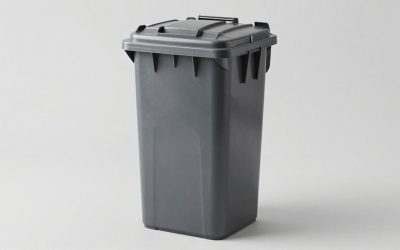
- Lids: keep odors and pets out; step pedals keep hands clean.
- Removable inner buckets: easier to empty and wash.
- Wheels: for large bins moved to a garage or curb.
A good kitchen recycling setup makes sorting automatic: cans and bottles go in one place, paper and cardboard in another, and trash in a third, without anyone having to think. The right bin depends on how much space your kitchen has, how your local program sorts materials, and whether you prefer bins out in the open or hidden in a cabinet. Here is how the main designs compare.
Recycling bin designs
| Design | Where | Pros | Cons |
|---|---|---|---|
| Dual-compartment step can | Floor | Trash and recycling in one footprint, hands-free lid | Each side is smaller |
| Pull-out cabinet bins | Under counter | Hidden, tidy | Requires cabinet space and installation |
| Stackable bins | Pantry, corner, garage | Separate streams vertically | Top bin must be emptied first to reach lower ones |
| Open-top bin or tote | Pantry, mudroom | Easy to toss, easy to carry out | No lid; visible |
| Slim bin | Narrow gaps beside fridge or cabinets | Fits tight spaces | Smaller capacity |
Match your local rules
Some programs collect all recyclables mixed together (single stream), others require separate paper, plastic and glass. If yours is single stream, one large recycling bin next to the trash is enough. If you separate materials, stackable or multi-compartment bins keep streams apart. Check what your program accepts; keeping non-recyclable items out of the bin is more useful than having extra compartments. Compare dual trash and recycling step cans.
Size and capacity
Recycling often fills faster than trash, especially with cardboard and bottles. Many households find a recycling compartment of around 10 to 20 gallons works if it is emptied weekly. Flatten boxes and keep a separate spot in the garage or pantry for large cardboard so it does not overflow the kitchen bin.
Pull-out bins under the counter
Pull-out systems mount inside a base cabinet, often under the sink or beside the dishwasher, and slide out on runners. They hide bins completely and keep the floor clear. Measure the cabinet opening, interior depth and any pipes before buying. Soft-close runners and handles that mount to the cabinet door make daily use easier. See pull-out cabinet recycling bins.
Useful features
- Labels or color coding: helps everyone sort correctly, especially kids and guests.
- Handles: make carrying bins to the curb easier.
- Lids: keep odors and pets out; step pedals keep hands clean.
- Removable inner buckets: easier to empty and wash.
- Wheels: for large bins moved to a garage or curb.
Tips for a cleaner system
Rinse cans and bottles before tossing them to prevent smells and fruit flies. Keep a small container for items that need special drop-off, such as batteries and electronics, rather than mixing them into recycling. Place the recycling bin right beside the trash so it is just as convenient to use.
Common mistakes to avoid
- Buying a recycling bin smaller than the trash can, when recycling usually fills faster.
- Hiding the recycling bin in another room, so people toss recyclables in the trash out of convenience.
- Choosing a lidless bin for food containers, which attracts fruit flies and pets.
Which bin suits your kitchen
Single-stream recycling and some floor space: a dual-compartment step can. Separated streams: stackable bins in a pantry. Clutter-free look: pull-out cabinet bins. Tiny kitchen: a slim bin beside the fridge plus a garage or balcony bin for overflow.
FAQ
What size recycling bin do I need for a kitchen?
Around 10 to 20 gallons suits many households that empty it weekly; cardboard may need separate space.
Are dual trash and recycling cans worth it?
Yes for most kitchens; they keep both streams together in one footprint.
Should recycling be rinsed?
A quick rinse reduces odors and pests, and many programs ask for clean containers.
Can I install a pull-out bin in any cabinet?
Most standard base cabinets work; measure the opening and check for pipes first.