Our Top Picks
A wrought iron bench with cushion is one of the most durable garden seats you can buy, as long as you know that most modern “wrought iron” benches are actually powder-coated solid or tubular steel, pair it with a cushion cut to the exact seat size (usually around 44 to 50 inches long and 17 to 20 inches deep), and store or cover the cushion between uses. The frame can last decades; the cushion and the paint at the feet are what need attention.
What “Wrought Iron” Means Today
True wrought iron, a low-carbon iron worked by hand, has not been produced commercially in large quantities for decades. Furniture sold as wrought iron is usually one of these:

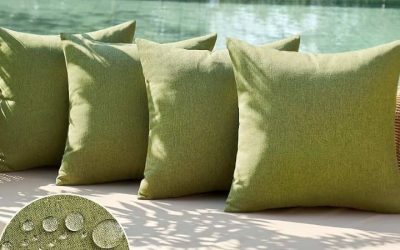
Fitfree Outdoor Bench Cushion, 48 x 16 Inch, Navy Blue
Chosen because it specifies 48 x 16 Inch and Navy Blue.
View on Amazon
Outdoor Bench Cushion, Water-Resistant & Fade-Resistant, Porch Swing Cushions with Ties, Patio Furniture Seat Pads for Garden Loveseat Settee, Removable Cover Non-Slip Bottom, 48 x 16 Inch, Natural
Chosen because it specifies Water-Resistant & Fade-Resistant and Porch Swing Cushions with Ties.
View on Amazon| Construction | Weight, 2-seat bench | Rust risk | Feel and look | Typical price |
|---|---|---|---|---|
| Solid bar steel (“wrought iron” style) | 40–80 lb | Moderate; rust starts at chips and welds | Heavy, ornate scrolls, very stable | $250–$900 |
| Tubular steel | 20–35 lb | Higher; hollow tubes can rust from inside | Lighter, simpler designs | $100–$300 |
| Cast iron frame with wood slats | 50–90 lb | Moderate; brittle if struck hard | Classic park bench look | $200–$600 |
| Cast aluminum (“iron look”) | 15–30 lb | None (no rust) | Ornate, light, may move in wind | $300–$900 |
A simple check: lift one end. If a 4-foot bench feels light, it is tubular steel or aluminum. A magnet sticks to steel and iron but not aluminum. For windy spots and rooftops, the weight of solid steel is an advantage; for a patio you rearrange often, aluminum is easier.
Standard Sizes and Cushion Fit
| Bench type | Overall width | Seat depth | Seat height | Cushion size to look for |
|---|---|---|---|---|
| Small accent / entry bench | 36–42 in | 14–17 in | 17–18 in | About 36–40 x 14–16 in |
| Standard 2-seat garden bench | 48–52 in | 18–20 in | 16–18 in | About 44–48 x 17–19 in |
| 3-seat bench | 58–64 in | 18–21 in | 16–18 in | About 54–60 x 18–20 in |
| Glider bench | 48–55 in | 19–22 in | 17–19 in | Measure between arms |
Measure the seat between the arms, not the overall width, and from the front edge to where the seat meets the back. A cushion 0.5 to 1 inch smaller than the opening fits better than one that has to be forced; oversized cushions bunch up and tear at the corners against the arms.
Cushion thickness
A 2 to 3 inch cushion keeps the bench’s proportions and is easy to store. A 4-inch cushion is more comfortable for longer sitting but raises the seat to around 20 to 21 inches, which can leave shorter people with dangling feet. Bench cushions with a rounded or “bullnose” front edge reduce pressure on the back of the legs.
Keeping it in place
Metal seats are slick. Look for fabric ties at the back corners that loop around the frame, or a non-slip backing. Without them, cushions slide forward and fall off when you stand up.
Cushion Fabric and Fill
| Fabric | Fade resistance | Water handling | Notes |
|---|---|---|---|
| Solution-dyed acrylic (e.g. Sunbrella) | Excellent | Water repellent; dries well | Costs more; lasts many seasons |
| Solution-dyed olefin | Very good | Resists mildew | Good value |
| Spun or printed polyester | Fair; fades in 1–2 summers | Water resistant coating wears off | Cheapest; best for covered porches |
Fill matters as much as fabric. Polyester fiberfill is soft but flattens and holds water. Foam cores, especially open-cell quick-dry foam, keep their shape and drain fast after rain. A good outdoor bench cushion usually costs $30 to $120 depending on size and fabric.
Rust: Where It Starts and How to Stop It
- Feet: the first place paint wears off, because the bench sits in puddles or on damp soil. Add plastic glides or set the bench on pavers.
- Welds and scrolls: water sits in joints and crevices. Inspect each spring.
- Under the cushion: a wet cushion on a steel seat traps moisture against the paint. Lift or store cushions after rain.
To repair: sand rust spots to bare metal with a wire brush or 120-grit paper, wipe clean, apply a rust-inhibiting primer, then a matching outdoor metal paint. Catching spots early takes minutes; leaving them for years turns into flaking and pitting. Many owners wax powder-coated frames with automotive wax once a year for extra protection, especially near the coast where salt air speeds up corrosion.
Placement Ideas and Clearances
- Front porch: leave at least 36 inches of walkway between the bench front and the porch edge or door path.
- Garden path: set the bench back from the path by 12 to 18 inches so knees and legs do not block passers-by.
- Under a tree: beautiful, but sap and bird droppings stain cushions. Use a removable cover or store cushions indoors.
- Entryway indoors: a smaller iron bench with a 2-inch cushion works as a shoe bench. Put felt pads under the feet to protect wood floors.
Assembly and Moving
Solid steel benches usually ship in one carton of 45 to 90 pounds, with the back, seat and arms bolted together in 20 to 40 minutes. Use the supplied washers and tighten bolts gradually in a cross pattern so the frame sits level. Retighten after a few weeks, since bolts loosen as the frame settles. Two people should carry a solid steel bench; dragging it scrapes off paint at the feet.
Picks by Situation
- Windy, exposed garden: solid bar steel with a tie-on acrylic cushion.
- Coastal home: cast aluminum with an iron look, to avoid rust entirely.
- Covered porch on a budget: tubular steel bench and a polyester cushion.
- Long sitting, reading outside: 4-inch foam cushion plus a lumbar pillow, since iron backs are rigid.
- Entryway indoors: 36 to 42 inch bench with a thin cushion and floor protectors.