Key takeaways
- A small front garden looks bigger when it grows up instead of out. These garden ideas for small front garden plots focus on vertical planting area per square foot of ground, so you add greenery and curb appeal without eating…
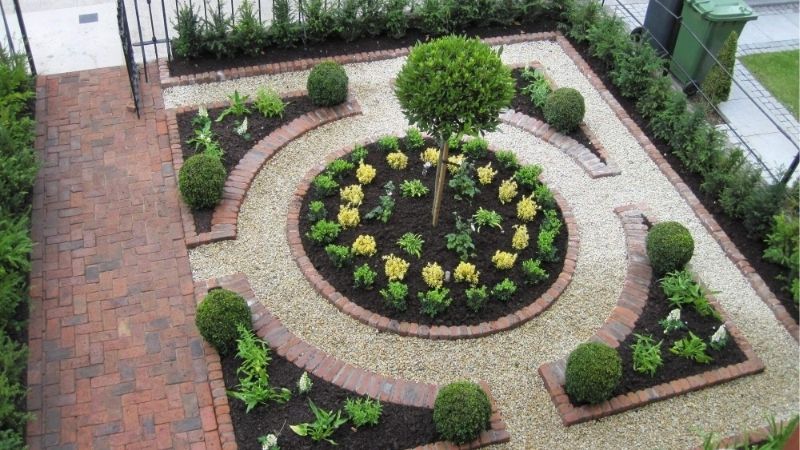
A small front garden looks bigger when it grows up instead of out. These garden ideas for small front garden plots focus on vertical planting area per square foot of ground, so you add greenery and curb appeal without eating the little path and lawn you already have.
As an Amazon Associate we earn from qualifying purchases.
By KK Home Furnishings Editorial Team
Quick Space-Saving Front Garden Ideas
The quickest wins add plants without claiming ground. Each idea here trades footprint for height, stacking pots and stands against a wall or fence instead of spreading across the bed. The table lists the rough size, cost tier and effort so you can match an idea to your space before buying anything.
| Idea | Space or Size Needed | Cost Tier | Effort and Time |
|---|---|---|---|
| Tall vertical plant stand | ~18 in wide footprint | Budget | Minutes, no tools |
| Low multi-tier stand | ~27 in wide; low | Budget–mid | Under an hour |
| Vertical pot column | ~14 in wide; tall | Budget | Under an hour |
| Hanging baskets or wall pots | Wall or bracket; no ground | Budget | Under an hour; drilling |
| Potting bench with storage | ~36 in wide console | Mid | An hour; assembly |
| Trellis with climbers | Narrow strip; anchored | Budget–mid | Half day; anchoring |
| Window boxes | Under-window; brackets | Budget–mid | Under an hour; drilling |
| Raised narrow bed | Along a wall or fence | Mid | Half day; build |
Stack Pots on a Tall Vertical Stand
A tall, narrow plant stand holds several pots on a tiny footprint. IKEA ASKHOLMEN measures about 17¾ inches wide and 12½ deep but 45¾ inches tall, so it carries a column of herbs or flowers against a wall where a ground bed would sprawl. It reads budget tier; confirm the current price and finish.
It suits a tight entry or the strip beside a door, adding greenery at eye level without blocking the path. A tall stand can catch wind once loaded with pots, so place it against a wall and, if it is top-heavy, anchor or weight the base, especially on an exposed front step where a gust could tip it over.
Add a Low Multi-Tier Stand
Where you want planting without height, a multi-tier stand spreads pots across levels on a low frame. IKEA VISINGSÖ runs about 27½ inches wide, 17 deep and 29¼ tall, giving tiered display at a modest height that suits under a window or along a low wall without blocking sightlines from the house.
Its lower profile is the appeal where a tall stand would loom, and the tiers still multiply planting area over a flat bed. Check the depth against your space — at 17 inches it needs a little more ground than a slim stand — and keep it where it will not narrow the front path below a comfortable width.
Grow Up a Vertical Pot Column
A vertical pot column packs several planters into one slim tower. IKEA SATSUMAS is about 14¼ inches wide and 49¼ inches tall with five pot positions, turning a square foot of ground into five planting spots. It reads budget tier, though stock is limited, so check current availability before planning around it.
A column like this suits a corner or the narrow strip beside the door, giving maximum planting for minimal ground. Because it is tall and light, load the heaviest pots low and secure it against a wall so it cannot topple when full, which matters most on a windy or raised front entrance exposed to gusts.
Hang Baskets and Wall Pots
The walls and the porch roof are planting space a small front garden usually ignores. Hanging baskets on brackets and wall-mounted pots add greenery entirely off the ground, framing a door or softening a bare wall. They use the vertical plane, so they cost no bed space at all for the planting they add.
Mount brackets into solid wall or a sound fence post, not just cladding, since a watered basket is heavy and falls hard. Match the plants to the light the wall gets, and remember hung pots dry out faster, so plan easy watering. Used well, they add a layer of planting above the beds without crowding the path.
Bigger-Impact Front Garden Ideas
When a little building or drilling is allowed, you can add more planting and storage without sprawling across the ground. These ideas go taller or use the walls and fences, turning the vertical plane into the garden’s main growing area. They ask for anchoring or assembly, so plan the fixings before you start.
Add a Compact Potting Bench
A small console or potting bench adds a work surface and storage in a narrow strip. IKEA HATTHOLMEN is about 36½ inches long, 17¼ deep and 33¾ tall, giving a bench against a wall for pots and tools while shelves below hold supplies off the ground. It reads mid tier; confirm the current price and finish.
It suits a front garden that doubles as a little working space, keeping bags and pots off the bed. At 17 inches deep it needs a strip of ground, so set it against the house or fence where it will not narrow the entry path. Cover or store it off-season, since outdoor wood and metal weather without care.
Train Climbers Up a Trellis
A trellis turns a wall or fence into vertical planting for almost no ground. Climbing plants trained up a narrow trellis add height and greenery in a strip only a few inches deep, which is the most ground-efficient planting a small front garden can do, especially against a blank boundary wall or fence.
Anchor the trellis securely to the wall or sink its posts, since a mature climber adds weight and catches wind like a sail. Choose a climber suited to the aspect and the space, and keep it off painted render or gutters it could damage. A well-fixed trellis is planting that grows upward year after year.
Plant Window Boxes
Window boxes add planting at the facade, using the sill line that is otherwise bare. Mounted under front windows on brackets, they bring color to eye level and read as curb appeal from the street, all without taking a single square foot of the bed or the path below them for the planting they hold.
Fix the brackets to solid framing and respect the loaded weight, since wet soil is heavy and a box over a doorway must not work loose. Match the plants to the light the window gets and plan for faster drying, as raised boxes lose moisture quickly. Done right, they layer planting onto the house itself.
Build a Raised Narrow Bed
A raised bed along a wall or fence concentrates planting into a defined strip, keeping the rest of the front open. A narrow raised bed, even a foot or two deep, lifts the soil for easier care and gives structure, turning a thin margin of ground into a productive planting band along a boundary line.
Keep the bed narrow enough to reach across without stepping in, and leave the path clear beside it. Line it and ensure drainage so water does not sit against the house wall. It is more work to build than a stand, but it is permanent planting that uses a strip most small front gardens leave as bare edge.
Frequently Asked Questions
Front-garden shoppers ask the same few things: how to add plants in a tiny plot, what suits shade, how to keep tall stands safe, and whether vertical gardening really saves space. The answers below use the footprints above and the idea that height, not ground, is the scarce resource here.
How Do I Add Plants to a Tiny Front Garden?
Go vertical. The fastest way to add planting without losing ground is to stack it — tall stands, pot columns, hanging baskets and trellised climbers all multiply planting area over a small footprint. Start against the walls and fences, which in a small front garden are the largest unused surfaces you have.
Group pots at different heights for a fuller look without a wider bed, and reserve any open ground for the plants that truly need it. Match everything to the light the front gets, since a north-facing entry and a sunny step suit very different plants, and a vertical display dries faster than ground soil does.
What Plants Suit a Shady Front Garden?
Match plants to the aspect first. A shaded or north-facing front suits shade-tolerant foliage and flowers rather than sun-lovers, so read the light before buying. Vertical stands and wall pots can also lift plants into brighter spots higher up, catching light a ground bed in the same corner never gets.
In containers, shade plants still need the right soil and drainage, and they dry more slowly than in sun, so do not overwater. Choosing plants for the conditions you have, rather than forcing sun plants into shade, is what keeps a small front display healthy, since there is no room to hide a struggling plant.
How Do I Keep Tall Plant Stands Safe?
Anchor or weight anything tall and loaded. A plant stand or pot column catches wind once full and can topple, so place it against a wall, load the heaviest pots low, and secure the base on an exposed or raised entrance. Trellises and window boxes should be fixed into solid framing, not just cladding.
Check the fixings each season, since outdoor brackets and anchors loosen with weather and the growing weight of plants. A climber on a trellis or a basket over a door gets heavier as it matures, so the fixing that held a young plant may need upgrading later. Safe anchoring is part of the planting, not an afterthought.
Does Vertical Gardening Really Save Space?
Yes, because it uses the plane a small garden has most of: the wall. Trading ground footprint for height is the core of these ideas — a pot column or trellis adds several plants where a bed would hold one. In a small front garden, height is the resource you are not already using, so building up adds the most.
The trade-offs are watering and weight: raised and hung planting dries faster and must be fixed securely. Plan easy access to water and solid anchoring, and vertical gardening gives a small front far more greenery than its ground area alone would allow, without crowding the path or the little lawn you keep.
Final Thoughts
The best garden ideas for small front garden plots trade ground for height, turning walls, fences and narrow strips into the main planting area. Measure the ground you can spare and the walls you can use before buying, anchor anything tall or loaded, and plan watering for raised and hung plants that dry fast.