Key takeaways
- A big storage box with lid is sold by the gallon, but gallons do not tell you whether your cushions or tools actually fit. The usable measure is the interior length, width and depth against the footprint it claims. This…
A big storage box with lid is sold by the gallon, but gallons do not tell you whether your cushions or tools actually fit. The usable measure is the interior length, width and depth against the footprint it claims. This guide compares real interior dimensions, not just the gallon label, across a set of deck boxes.
As an Amazon Associate we earn from qualifying purchases.
By KK Home Furnishings Editorial Team
How to Choose a Big Storage Box with Lid
A lidded box earns its spot by what fits inside against the floor it takes outside, not by a gallon figure alone. Interior shape, weather sealing and the lid all matter for a box that lives outdoors. Four things decide the buy: interior dimensions, the footprint, weatherproofing, and the lid and build.
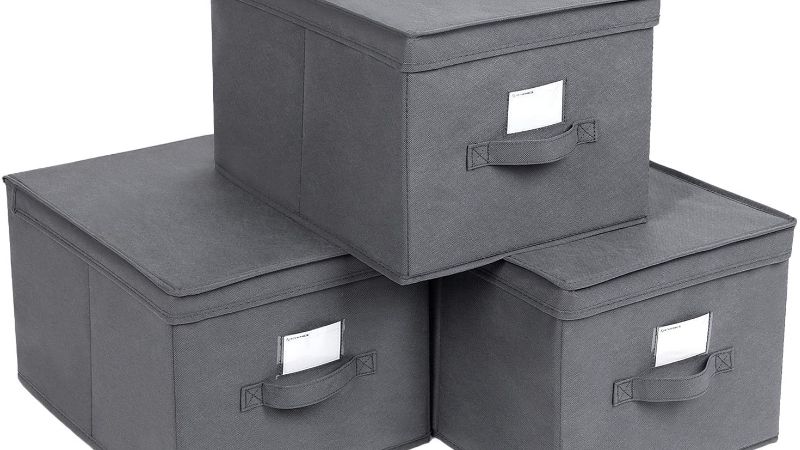
Read Interior Dimensions, Not Just Gallons
Gallons give a rough size, but the interior length, width and depth decide what fits. A Suncast DB9200WD lists 99 gallons with an interior around 47.5 by 22.25 by 22.5 inches, while a BMDB12000 lists 124 gallons at about 49.75 by 24 by 24. The dimensions, not the gallon number, tell you if a cushion or a tool fits.
Measure what you will store before buying. Long items like patio-cushion sets or tools need the interior length; bulky items need the depth. A 99-gallon box and a 124-gallon box differ by only a couple of inches in each dimension, so match the exact interior to your biggest item rather than assuming more gallons means it fits.
Gallon ratings also assume a simple fill, while real items waste space around their shape. A rigid item that does not nest leaves gaps, so usable capacity is less than the nominal figure. Read the interior dimensions as the real limit, and the gallons as a rough guide, since the shape of your stuff decides what actually fits.
Interior Shape Against the Footprint
A box’s value is interior volume per footprint, and taller boxes gain capacity without more floor. A BMDB1171 at 170 gallons runs about 56 by 26.5 by 27 inches, while a BMDB200ZDG reaches 200 gallons at roughly 54 by 27.5 by 30 — deeper rather than much longer. Compare the interior shape to both your items and your space.
Match the shape to the spot. A long, shallower box suits a narrow deck edge or under a window; a tall, deep one stores more in a corner but needs headroom to open the lid. Measure the deck or patio spot and the lid’s open clearance, since a box that fits closed may not open fully against a railing or wall.
A bigger box is heavier and harder to move once placed, so treat the footprint as near-permanent. Taller boxes also raise the reach to the bottom, which matters for shorter users retrieving heavy items. Pick the interior shape that fits your biggest item and your space, since you cannot easily reposition a full 200-gallon box later.
Weatherproofing for Outdoor Use
A deck box lives outside, so weather sealing decides whether contents stay dry. Look for a resin that resists UV fading and a lid designed to shed rain, since a poorly sealed box lets water pool inside and ruin cushions. These Suncast boxes use weather-resistant resin, but no outdoor box is fully watertight by default.
Match the sealing to what you store. Cushions and fabric need a box that stays dry and ideally breathes a little to avoid trapped damp and mildew; tools tolerate more. Raise the box off standing water on feet or a pad, and check for drainage, since the biggest threat to stored items is water that gets in and cannot leave.
UV is the other long-term enemy, fading and embrittling resin over years in the sun. A UV-stabilized box lasts longer, and keeping it out of the harshest all-day sun helps. For fabric, add a breathable bag inside rather than sealing cushions against a cold resin wall, where condensation can form and mildew over a season.
The Lid and Build Quality
The lid is the part you use daily and the part that fails. A hinged lid that stays up, or gas struts that hold it open, makes loading easy, while a heavy loose lid is awkward and can drop. Check how the lid opens and whether it latches, since a lid that blows open in wind exposes the contents to rain.
Build quality shows in the wall thickness and the floor. A box you may sit on needs a reinforced lid rated for it, and a solid floor keeps the base from bowing when loaded. Resin boxes assemble from panels, so check the joints are tight and the box sits flat, since a racked box does not seal or open properly.
Long-term, the hinges, latches and lid supports are the wear points on a resin box, and UV makes plastic brittle where it flexes. Favor a box whose maker offers replacement hardware, and avoid overloading the lid. A deck box that opens easily and seals when shut after years of weather is worth more than extra gallons.
Top Picks
Four large deck boxes cover the range, from 99 to 200 gallons, separated by interior dimensions more than the gallon label. All four here are Suncast, so this is a within-brand comparison — cross-shop Keter or Rubbermaid for a wider view. Each leans on manufacturer-stated specs and a tier, not a fixed price.
| Product | Best For | Key Spec | Watch Out For |
|---|---|---|---|
| Suncast DB9200WD | Best for a compact deck | 99 gal; 47.5×22.25×22.5 in | Smallest; check item length |
| Suncast BMDB12000 | Best for a mid-size balance | 124 gal; 49.75×24×24 in | Modest gain over the 99 |
| Suncast BMDB1171 | Best for long items | 170 gal; 56×26.5×27 in | Long; needs wall space |
| Suncast BMDB200ZDG | Best for maximum volume | 200 gal; 54×27.5×30 in | Tall; lid clearance to open |
Suncast DB9200WD: Best for a Compact Deck
For a smaller deck or balcony, the DB9200WD offers 99 gallons in an interior about 47.5 by 22.25 by 22.5 inches. It reads budget-to-mid tier for a resin deck box; prices move, so confirm the current price and measure your largest item against that interior length before ordering it for a tight outdoor spot.
Its compact footprint suits a deck edge or a balcony where a larger box would crowd the space, while still holding cushions, tools or pool gear. Measure the lid’s open clearance against any railing behind it. Raise it off standing water, and add a breathable bag for cushions so damp does not build against the resin.
At this size the limit is length: long cushion sets may not fit the roughly 47-inch interior, so check first. As with any resin box, the lid hinges and latch are the wear points, and UV embrittles plastic over years, so keep it out of the harshest sun and confirm replacement hardware is available for the long term.
Suncast BMDB12000: Best for a Mid-Size Balance
The BMDB12000 steps up to 124 gallons with an interior around 49.75 by 24 by 24 inches, a modest gain over the 99-gallon box. It reads mid tier; verify the current price and whether the extra couple of inches in each dimension actually fit your largest item, since the gallon jump is smaller in practice than it sounds.
This size balances capacity and footprint for a standard deck, holding a cushion set or a mix of tools and toys. The near-24-inch depth suits bulkier items than the shallower 99-gallon box. Measure the spot and the lid clearance, and plan to raise it off the ground and keep fabric in a breathable bag inside.
The honest caveat is that the step from 99 to 124 gallons is only a couple of inches per side, so choose it for a specific item that needs the extra, not for the bigger number alone. The lid, hinges and latch remain the parts to watch over years of weather, so favor available replacement hardware here too.
Suncast BMDB1171: Best for Long Items
When length is the constraint, the BMDB1171 offers 170 gallons in a longer interior about 56 by 26.5 by 27 inches. It reads mid-to-premium tier; confirm the current price and measure your longest items, since the extra interior length is this box’s real advantage over the smaller boxes for storing long cushions or tools.
The 56-inch interior suits full-length patio-cushion sets, long-handled tools or sports gear that the shorter boxes cannot take. It needs more wall or deck length to sit, so measure the run plus the lid’s open clearance. Raise it off standing water, and keep fabric in a breathable bag to avoid trapped damp in the larger volume.
A box this long is heavy and effectively fixed once filled, so place it where it can stay. The larger lid is more to lift, so check it stays open for loading and latches against wind. As with the range, the lid hardware and UV exposure are the long-term watch points, so confirm replacement parts and shade it where you can.
Suncast BMDB200ZDG: Best for Maximum Volume
For the most storage, the BMDB200ZDG holds 200 gallons in an interior around 54 by 27.5 by 30 inches, gaining capacity through depth rather than length. It reads premium tier for a resin deck box; verify the current price and your lid clearance, since at 30 inches deep the lid needs real headroom to open fully.
Its depth suits bulky bedding, large cushion sets or a lot of mixed gear in one place, and the footprint is only moderately larger than the mid-size boxes. The catch is reach and headroom: a 30-inch depth means retrieving items from the bottom is a stretch, and the tall lid needs clearance to open against a wall or rail.
At maximum size it is the heaviest to move and the most to keep dry, so raise it, shade it and bag fabric inside. The deep well can trap damp, so ventilation and a breathable bag matter most here. Confirm the lid supports and hinges are replaceable, since a 200-gallon box is a long-term fixture you want to keep usable.
Frequently Asked Questions
Deck-box shoppers ask the same things: whether gallons tell the real size, if the box is waterproof, whether it can double as a seat, and how to keep contents from getting damp. The answers below use the interior dimensions above and note that these picks are all one brand, so cross-shopping helps.
Do the Gallon Numbers Tell Me What Fits?
Only roughly. Gallons estimate volume, but the interior length, width and depth decide whether a specific item fits. A 170-gallon box with a 56-inch interior takes a long cushion set a 124-gallon box at under 50 inches cannot, even though both numbers sound large. Match your biggest item to the interior dimensions, not the gallons.
Rigid items also waste space around their shape, so usable capacity is less than the gallon figure suggests. Measure what you store — length, width and depth — and compare to the interior, leaving a little room. The gallon number is a quick size class; the interior dimensions are what you actually plan around before buying.
Because these boxes step up only a couple of inches per size, choose by the dimension your item needs rather than the headline gallons. If length is the issue, jump to the longer box; if depth, the deeper one. The gallon label groups them loosely, but the specific interior measurement is what prevents a box that will not close.
Is a Deck Box Waterproof?
Water-resistant, not fully waterproof. These resin boxes shed rain and resist weather, but no standard deck box is sealed airtight, so driving rain or a poorly latched lid can let moisture in. Keep the lid latched, raise the box off standing water, and treat the inside as damp-prone rather than guaranteed dry for delicate items.
For cushions and fabric, add a breathable bag inside and ensure the box can drain or vent, since trapped condensation mildews textiles even when rain stays out. Check the lid seals against wind and the floor sits flat. The box protects against the weather, but how you store fabric inside decides whether it stays fresh.
Over years, UV and a warped lid are what let water in, so a UV-stabilized box kept out of harsh sun seals longer. Inspect the lid fit each season and replace worn supports or latches. A deck box that still closes square after a few summers is what keeps contents dry, more than any waterproof claim on the label.
Can I Sit on a Deck Box?
Only if the lid is rated for it. Some deck boxes have reinforced lids built to double as a bench, while others have lids meant only to cover, which can crack or bow under a seated adult. Check the maker’s stated seat rating before using a box as seating, since a lid not built for it is a failure and a fall risk.
If you want a storage bench, choose a model that states a seat weight rating and has a supported lid and solid floor, not just a large box. A box pressed into seat duty beyond its rating stresses the hinges and lid, so match the use to the spec. For pure storage, a standard lid is fine; for seating, confirm it is built for it.
A note on children: a large lidded box is tempting to climb into, so a lid that cannot latch a child inside and some ventilation matter in a family yard. Keep heavy lids from dropping on small hands, and favor supports that hold the lid open. Treat a deck box as storage, not a toy, around young children for safety.
How Do I Keep Contents From Getting Damp?
Keep water out and air moving. Raise the box off standing water, keep the lid latched against driving rain, and store fabric in a breathable bag rather than loose against the resin, where condensation collects. A little ventilation inside prevents the trapped humidity that mildews cushions even when no rain gets in at all.
Add a moisture absorber for a box that holds cushions all season, and air the contents on dry days. Make sure the box can drain if water does get in, since a sealed well holds it. The enemy is usually condensation, not a leak, so airflow and breathable storage matter as much as the box’s own weather sealing does.
For long-term storage, clean and fully dry items before they go in, since damp stored fabric mildews regardless of the box. Keep the box shaded to limit the heat-and-cool cycle that drives condensation. These habits keep contents fresh across seasons better than relying on the box alone, whatever its gallon size or price tier.
Final Thoughts
The right big storage box with lid is the one whose interior dimensions fit your biggest item and whose footprint fits the deck, not the one with the largest gallon number. Measure your items and the spot against the interior before buying, store fabric in a breathable bag, and keep the lid latched and the box raised off standing water.