Key takeaways
- A plastic table and chairs set ranges from a two-seat resin bistro to a six-seat dining set in recycled-plastic lumber, so the material, seat count and footprint matter more than the word plastic. This guide compares real sizes and per-chair…
A plastic table and chairs set ranges from a two-seat resin bistro to a six-seat dining set in recycled-plastic lumber, so the material, seat count and footprint matter more than the word plastic. This guide compares real sizes and per-chair capacity, and sticks to adult-sized sets rather than kids’ furniture.
As an Amazon Associate we earn from qualifying purchases.
By KK Home Furnishings Editorial Team
How to Choose a Plastic Table and Chairs Set
Plastic covers everything from lightweight resin to heavy recycled-plastic lumber, and they age very differently outdoors. The right set matches the material, the seat count and the footprint to your patio and use. Four things decide the buy: the exact material, seat count and size, per-chair capacity, and weather durability.
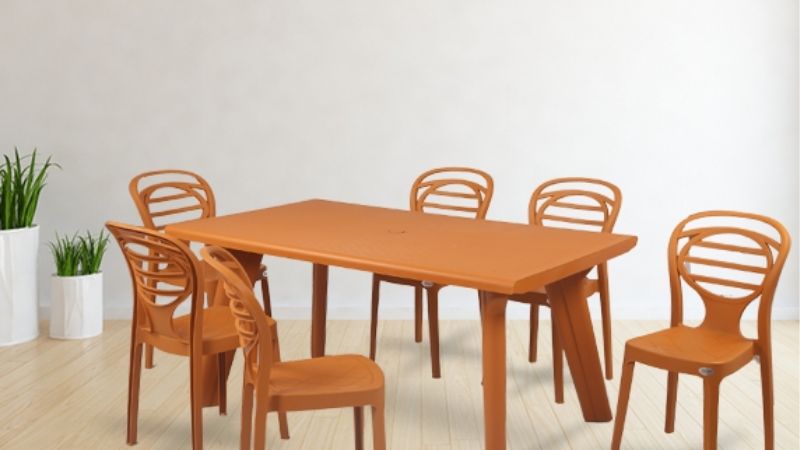
Know the Exact Plastic
Plastic is not one material. Lightweight resin and polypropylene sets are inexpensive and easy to move but can fade and crack in sun over seasons, while recycled-plastic lumber, as POLYWOOD uses, is heavy, solid and built to weather for years. The material, not the plastic label, sets the price, the weight and how long it lasts.
Match the material to your use and climate. Resin suits occasional use, a tight budget and easy storage; recycled-plastic lumber suits a set left out year-round that you want to look good long-term. A light resin set moves and stores easily but blows around in wind, while lumber-style sets stay put but are heavy to reposition.
Durability tracks the material more than the brand. Thin resin can become brittle and crack with UV and cold over a few seasons, while recycled lumber resists fading and rot but costs more upfront. Judge by the specific material and thickness, not a plastic claim, and favor sets whose maker states UV resistance or a weather warranty.
Seat Count and Footprint
Match the set size to how many you host. A Christopher Knight bistro, about 23.82 inches square and 30 inches tall, seats two for coffee, while a Pamapic seven-piece with a roughly 66.7 by 31.7 inch table seats six for meals. Measure the patio for the table plus the room to pull chairs out before choosing a size.
Count regular guests, not a one-off gathering, since an oversized set dominates a small patio and a bistro cannot host a dinner. Add about two feet behind each used chair for pulling out and sitting, so the usable footprint is larger than the tabletop. A folding or stackable plastic set helps where space and storage are tight.
Footprint also drives storage and weather handling. A light resin set stacks and stores for winter; a six-seat dining set or heavy lumber set has to be covered in place or left out. Match the size to both your hosting and your storage, since a big set you cannot protect off-season ages faster than a smaller one you can.
Check Per-Chair Capacity
Capacity is per chair, not per set, and it varies by material. A Christopher Knight set lists about 280 pounds per chair, while a POLYWOOD set lists around 325 pounds per chair — the heavier recycled lumber generally carrying more. Read the per-chair figure, since that is what actually holds a person, not a whole-set number.
Match the capacity to who will use it, counting the heaviest regular user against the per-chair rating with margin. A resin chair near its limit flexes more than a solid lumber one, which affects comfort and longevity. For bigger users or frequent heavy use, the higher-rated lumber chairs are the safer and sturdier choice here.
Treat capacity as manufacturer-stated and give it headroom, since a chair run near its rating fatigues faster, especially thin resin in the sun. The chair legs and the seat-to-leg joints are the usual failure points on plastic chairs. Favor a set whose material and joints look substantial over one leaning on an impressive headline number.
Weather Durability and Storage
Outdoor plastic faces UV, heat and cold, which age materials differently. Recycled-plastic lumber resists fading and moisture for years; cheaper resin can chalk, fade or grow brittle over a season or two of strong sun. Look for a stated UV treatment or weather warranty, since that, not the plastic label, predicts how the set holds up.
Plan storage before buying the size. Light resin sets stack and store easily indoors over winter, which greatly extends their life; heavy lumber sets are meant to stay out and handle it. Either way, a cover and keeping the set off standing water help, and bringing any cushions inside prevents mildew on the soft parts over time.
The failure modes differ by material: resin cracks and fades, lumber mainly just weighs a lot and can stain. Clean plastic with mild soap, not harsh solvents that can craze the surface, and tighten any hardware seasonally. Favor a set whose maker sells replacement parts, since a cracked resin chair should not retire the whole set.
Top Picks
Three adult plastic sets cover the range, from a two-seat resin bistro to a six-seat dining set and a recycled-lumber option, plus a row on what to verify for any set. Material, seat count and per-chair capacity separate them. Each leans on manufacturer-stated specs and a tier, not a fixed price — confirm it first.
| Product | Best For | Key Spec | Watch Out For |
|---|---|---|---|
| Christopher Knight 3-piece | Best for a two-seat bistro | 23.82 in sq; 280 lb per chair | Resin; lighter, can fade |
| Pamapic 7-piece | Best for six-seat dining | 66.7×31.7 in table; 6 seats | Large footprint; cover to store |
| POLYWOOD 7-piece | Best for weatherproof lumber | 325 lb per chair; recycled | Heavy; premium tier |
| Any plastic set | Verify before buying | Material, seat count, footprint | Skip child-sized sets |
Christopher Knight 3-Piece: Best for a Two-Seat Bistro
For a balcony or small patio, the Christopher Knight three-piece bistro offers a table about 23.82 inches square and 30 inches tall with two chairs rated around 280 pounds each. It reads budget-to-mid tier; prices move, so confirm the current price and the material, since lighter resin sets vary between runs under similar names.
A compact bistro suits two for coffee and tucks against a rail or wall, and its light weight makes it easy to move and store. The 280-pound per-chair rating covers most adults with margin. In wind, though, a light set can shift, so weighted feet or bringing it in helps, and measure the spot plus pull-out room before buying.
As a lighter plastic set, UV and cold are the long-term enemies: resin can fade or grow brittle over seasons, so store it over winter to extend its life. Clean with mild soap, not solvents. Confirm replacement parts are available, since a cracked chair or leg is the usual first failure on a budget resin bistro set.
Pamapic 7-Piece: Best for Six-Seat Dining
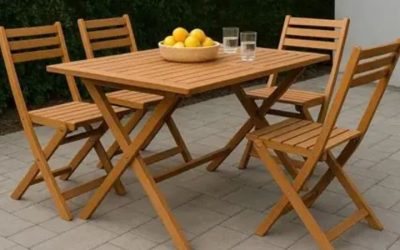
When you host meals, the Pamapic seven-piece set steps up to a table roughly 66.7 by 31.7 inches at 29.5 inches tall with six chairs. It reads mid tier; verify the current price, the material and the chair count, since larger plastic dining sets vary in build and in what comes in the box between sellers and runs.
The larger table suits a family or regular dinners on a patio with room for six seats plus pull-out space — add about two feet behind each chair. Measure the patio and the delivery route, since a six-seat set ships in big boxes. Its size means it is harder to store, so plan a cover or a spot it can stay year-round.
A dining set this size is more to weather and move, so judge the material and joints for durability and plan protection. Cover it or bring chairs in over winter, and keep it off standing water. Clean with mild soap and tighten hardware seasonally, and confirm replacement parts, since the chairs take the most stress over time.
POLYWOOD 7-Piece: Best for Weatherproof Lumber
For a set built to live outdoors for years, the POLYWOOD seven-piece uses recycled-plastic lumber with chairs rated around 325 pounds each. It reads premium tier; confirm the current price, since recycled-lumber sets cost more upfront but resist fading, moisture and rot far better than lightweight resin does over the long run.
This suits a buyer who wants a solid, low-maintenance set that stays out all year and still looks good, with the higher 325-pound per-chair rating suiting bigger users. The trade is weight: recycled lumber is heavy to move and store, so it is best placed where it can stay, and it carries a higher price than resin.
Durability is the selling point: recycled-plastic lumber resists the fading and cracking that age resin, which is why it earns its premium. It still benefits from occasional cleaning with mild soap and from keeping cushions inside off-season. Confirm the weather warranty and parts availability, since this is a long-term, stay-out set.
What to Verify Before Buying a Plastic Set
Because this category spans bistros, dining sets and even kids’ furniture, verify four things first. Confirm the exact plastic — lightweight resin or recycled lumber — since it sets durability and price. Check the seat count and table footprint against your patio and guests. And read the per-chair capacity, not a whole-set figure.
Confirm the set is adult-sized, since broad plastic-set listings mix in children’s furniture that looks similar in photos but is far smaller and lower-rated. Measure the table height and chair size against adult use. A child-sized set bought by mistake is a common return, so check the dimensions rather than trusting the listing images.
Finally, confirm the weather handling and parts: a stated UV treatment or warranty for a stay-out set, and replacement parts for the chairs that wear first. Match the material to whether you will store it or leave it out. These checks cost a few minutes and prevent buying the wrong plastic, the wrong size, or a child’s set.
Frequently Asked Questions
Plastic-set shoppers ask the same things: whether plastic lasts outdoors, how to pick the material, how many a set seats, and whether it blows away in wind. The answers below use the materials and sizes above and distinguish lightweight resin from heavy recycled-plastic lumber throughout the comparison.
Does Plastic Outdoor Furniture Last?
It depends on the plastic. Recycled-plastic lumber, like POLYWOOD, resists fading, moisture and rot for years, while lightweight resin can chalk, fade or crack within a season or two of strong sun. So plastic can last a long time or a short time depending entirely on the specific material, not the plastic label alone.
If longevity matters most, lumber is the safer bet; if you move or store often, resin is more practical. Either way, the material and your care decide the outcome more than the brand, so read the specific plastic and its UV or warranty claim rather than assuming all plastic ages the same outdoors.
Extend any plastic set’s life by storing light resin over winter, keeping sets off standing water, and cleaning with mild soap rather than solvents that craze the surface. Recycled lumber tolerates staying out; resin does not as well. Match the material to how you will treat it, since storage habits decide a budget set’s lifespan.
Which Plastic Should I Choose?
Choose by use and budget. Lightweight resin suits occasional use, a tight budget and easy storage, moving and stacking readily. Recycled-plastic lumber suits a set left out year-round that you want solid and fade-resistant for years, at a higher price and weight. Neither is best for everyone; it depends on your patio and plans.
If the set will live outside permanently and you want low maintenance, lumber earns its premium; if you will store it or want it portable and cheap, resin fits. Weigh the upfront cost against the years of use and the storage you have, since the right plastic is the one that matches how and where you will actually keep it.
A simple test: if you will not commit to storing it, buy for staying out, which points to lumber; if budget and portability rule, resin wins. Match the plastic to your honest habits, since the best material on paper is wasted if it does not fit how you will live with and store the set.
How Many People Does a Plastic Set Seat?
Count the table, not the piece count. A bistro around 24 inches square seats two for coffee, while a dining table near 66 inches long seats six for meals. Match the table size to how many you host regularly, since crowding chairs around a small top makes a set unusable, and a big dining set overwhelms a tiny patio.
Remember each diner needs about two feet behind the chair to pull out and sit, so the usable seating is tighter than the tabletop suggests. If your numbers vary, a smaller set plus a couple of stackable extra chairs is more flexible than a fixed six-seat set used twice a year. Measure the patio before sizing up.
For truly flexible hosting, a bistro plus a separate folding set covers both everyday and occasional use better than one compromise set. Prioritize the table size for your regular number, and treat extra seating as an add-on, since a set sized to a rare big gathering wastes space the rest of the year.
Will a Plastic Set Blow Away in Wind?
A light resin set can, which is a real downside on an exposed balcony or patio. Lightweight plastic furniture shifts or tips in gusts, so weighted feet, placing it against a wall, or choosing a heavier recycled-lumber set all help. Heavier lumber sets stay put, which is one practical advantage of the weight they carry.
If wind is a concern, favor a heavier set or secure a light one, and bring portable chairs in during storms. Stacking and storing a light set when not in use also prevents wind damage. Match the weight to your exposure, since the portability that makes resin easy to move is the same trait that lets it blow around.
On a very exposed site, no light set is truly wind-proof, so either go heavy or plan to stow it. Weighted bases and tie-downs help a mid-weight set, but recycled lumber’s own mass is the simplest fix. Decide by your site’s wind, since the right answer is a set that stays put without a daily fight.
Final Thoughts
The best plastic table and chairs set matches the exact plastic, the seat count and the footprint to your patio — recycled-plastic lumber for a solid stay-out set, lightweight resin for a portable budget one — not the plastic label alone. Check the per-chair capacity and the material before buying, confirm it is adult-sized, and plan its storage.