Key takeaways
- Choosing christmas tree bags for storage trips people up when a bag’s height rating looks right but its shape or wheels do not suit how the tree actually packs down. This guide compares four current bags by tree height, bag…
Choosing christmas tree bags for storage trips people up when a bag’s height rating looks right but its shape or wheels do not suit how the tree actually packs down. This guide compares four current bags by tree height, bag geometry and how they move, so your tree fits inside and the bag survives being hauled to the attic.
As an Amazon Associate we earn from qualifying purchases.
By KK Home Furnishings Editorial Team
How to Choose a Christmas Tree Storage Bag
A tree bag is judged on fit and handling, not just a headline height, so weigh those together. Consider four things: the nominal tree height it is rated for, the bag’s shape against how your tree packs, how it is moved and stored, and the material and zippers, so the bag fits your tree and lasts more than one season.
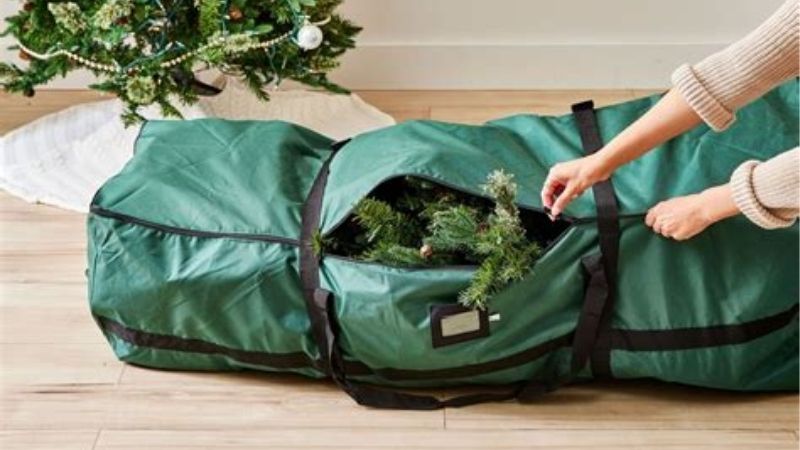
Tree height it fits
The first number is the tree height the bag is rated for, and these are sized around common trees — several here are 9-foot-rated. But a height rating alone does not guarantee fit, since a dense or wide tree takes more room than a slim one of the same height, so read the rating as a starting point rather than a precise promise of fit.
Match the rating to your tree’s height and bulk: a 9-foot bag suits a 9-foot tree only if the tree compresses to the bag’s girth, and a full, wide tree may need a larger bag than its height suggests. Measure your tree’s height and how tightly it collapses before choosing, since the stated height is only half of what decides the fit.
Because height ratings do not capture bulk, a bag that fits one 9-foot tree may strain around another, so leave margin if your tree is dense. Confirm the rating against both your tree’s height and how compact it packs, since forcing a full tree into a snug bag stresses the zippers and seams that fail first on storage bags.
Bag shape and how the tree packs
Bags come in upright and lie-flat shapes, and the geometry matters more than raw volume. An upright bag, like the TreeKeeper Upright, stores a partially assembled tree standing, while a rolling duffel-style bag lays it down; the OSTO’s envelope is about 19,470 cubic inches against the Big Wheel’s 33,936, but that is bag volume, not tree capacity.
Match the shape to how your tree disassembles: a tree that splits into sections lies flat in a duffel bag, while one you keep partly assembled suits an upright bag that saves setup time each year. Confirm the bag’s internal shape suits your tree’s packed form, since a large volume helps only if the tree’s shape actually fits the bag.
Because volume figures are not the same as tree capacity, do not pick purely on cubic inches — a bigger bag is not automatically a better fit. Weigh the shape against how your tree packs down, and leave room for lights and a tree skirt if you store them together, since the geometry decides fit more than the headline volume does.
How it moves and stores
A packed tree is heavy and awkward, so how the bag moves matters for getting it to the attic or basement. Rolling bags with wheels, like the TreeKeeper Big Wheel or the OSTO rolling bag, let you drag rather than carry the load, which helps on stairs or long hauls, while a plain duffel relies on handles and a second pair of hands.
Match the handling to your storage spot: wheels help if the tree travels far or up from a basement, while an upright bag on casters suits a closet you roll it into. Confirm the wheels and handles are sturdy, since a heavy packed tree stresses them, and check the bag fits your storage space, whether that is a shelf, a closet or an attic.
Storage location also shapes the choice: an upright bag needs floor height but saves setup, while a lie-flat bag slides onto a shelf but takes more disassembly. Measure your storage spot and the path to it, since a bag that fits the tree but not the attic hatch or closet is as much a problem as one that is too small.
Material and zippers
The parts that fail on tree bags are the fabric and the zippers, so weigh durability over the lowest price. A heavier, tear-resistant fabric and reinforced, chunky zippers survive years of packing a stiff tree, while thin material and light zippers split under the strain of a full tree and the branches that catch on the way in and out.
Match the build to your tree and use: a dense, heavy tree needs tougher fabric and stronger zippers than a slim one, and a bag hauled to a far store point needs reinforced handles. Confirm the fabric weight and zipper quality where stated, since these are the wear points, and a bag that tears in year two is no bargain over a sturdier one.
Longevity also depends on not overstuffing: forcing a tree that is too big strains the seams regardless of material, so size the bag to the tree with margin. Look for double-stitched seams and protected zippers, and store the bag dry, since damp attics and basements can mildew fabric and corrode zippers over the off-season months.
Top Picks
These four cover the range of christmas tree bags for storage, from a rolling envelope bag to an upright one, several rated around 9-foot trees. They differ most in shape and how they move, so compare them on fit and handling rather than raw volume, since bag cubic inches are not the same as the tree capacity you need.
| Product | Best For | Key Spec | Watch Out For |
|---|---|---|---|
| OSTO 9-ft Rolling | Best rolling envelope bag | 9-ft tree rating; about 19,470 cu in envelope; wheels for hauling | Volume is bag size, not tree capacity |
| Home Accents Holiday 9-ft | Best widely stocked option | 9-ft tree rating; duffel-style storage | Specs not confirmed here — verify girth fit |
| TreeKeeper Big Wheel | Best for heavy hauling | About 33,936 cu in envelope; large wheels for moving | Large bag volume; confirm your tree’s bulk fits |
| TreeKeeper Upright | Best for a partly assembled tree | Upright storage to cut yearly setup | Needs floor height; confirm your tree’s packed size |
OSTO 9-ft Rolling — Best Rolling Envelope Bag
The OSTO 9-foot rolling bag is the balanced pick: rated for a 9-foot tree with an envelope of about 19,470 cubic inches and wheels for hauling, it lets you drag the packed tree rather than carry it. The combination of a common size rating and wheels suits most households. It sits in the mid tier for christmas tree storage bags.
The wheels make it easy to move a heavy packed tree to an attic or basement, and the 9-foot rating covers a common tree size. Confirm your tree’s bulk against the envelope, since the roughly 19,470 cubic inches is bag volume rather than guaranteed tree capacity, and measure how tightly your tree packs before relying on the height rating.
The honest drawback is that volume is not the same as tree capacity: a dense 9-foot tree may strain the bag even though the height matches, so leave margin if your tree is full. Confirm the fabric and zippers for durability, since those are the wear points, and store the bag dry to avoid mildew over the off-season months.
Home Accents Holiday 9-ft — Best Widely Stocked Option
The Home Accents Holiday 9-foot bag is the widely stocked pick: a duffel-style bag rated for a 9-foot tree, easy to find at home-improvement retailers when you need one at the end of the season. Its exact dimensions were not confirmed here, so verify the girth fit against your tree. It sits in the budget-to-mid tier for tree storage bags.
Its appeal is availability and a common 9-foot rating, which makes it a convenient grab when the tree needs storing, and a duffel shape slides onto a shelf. Confirm the internal girth against how your tree packs down, since a height rating alone does not capture bulk, and check the handles and zippers for the weight of a packed tree.
The drawbacks are the unconfirmed specs and a plain duffel’s handling: verify the dimensions and that your tree’s bulk fits, and note a duffel without wheels relies on handles and a second person for a heavy load. For a far store point, a wheeled bag moves easier, so weigh availability against how the bag will actually be carried.
TreeKeeper Big Wheel — Best for Heavy Hauling
The TreeKeeper Big Wheel is the heavy-hauling pick: a large bag with an envelope of about 33,936 cubic inches — roughly 1.74 times the OSTO’s — and large wheels for moving a full tree. The big wheels and roomy bag suit a tall or dense tree and a long haul. It sits in the mid-to-upper tier for christmas tree storage bags.
The large wheels make even a heavy packed tree manageable on stairs or across a basement, and the roomy envelope suits a fuller tree with lights stored alongside. Confirm your tree’s packed bulk against the bag, since the large volume is bag size rather than tree capacity, and measure your storage spot, as a big bag needs room to park.
The drawbacks are size and the volume caveat: the large bag needs storage space, and its cubic inches do not translate directly to tree capacity, so confirm the fit against your tree’s shape. For a slim tree the big bag is more than needed, so it earns its place with a tall, dense tree and a hauling route that benefits from the wheels.
TreeKeeper Upright — Best for a Partly Assembled Tree
The TreeKeeper Upright is the pick to cut yearly setup: it stores a partially assembled tree standing, so you roll it out and finish rather than rebuild it each December. The upright design saves the most time at setup and teardown. It sits in the mid-to-upper tier for christmas tree storage bags, trading floor height for convenience.
Storing the tree upright means less disassembly and faster setup, which suits a household that reuses the same tree and has the floor height to park it. Confirm your tree’s packed size fits the upright bag and that your storage spot has the height, since an upright bag needs vertical room a shelf bag does not, and check the wheels for moving it.
The drawbacks are the floor-height requirement and packed size: an upright bag takes standing room rather than sliding onto a shelf, and a very tall tree may not fit upright. Confirm the bag’s height and your storage clearance, and the fabric and zippers for durability, since storing a tree partly assembled still stresses the bag over the years.
Frequently Asked Questions
A few questions come up about christmas tree storage bags, usually about sizing, shape and how they move. The answers below use the height ratings and bag volumes and stress that a height rating and cubic inches are starting points, since a tree’s bulk and packed shape decide the real fit more than a single number.
What size tree bag do I need?
Start with your tree’s height, then account for its bulk. Several bags here are rated for 9-foot trees, but a height rating assumes a typical density, and a full, wide tree takes more room than a slim one of the same height. Measure your tree’s height and how tightly it packs down before matching it to a bag’s stated size.
Match the rating to both height and girth: a 9-foot bag fits a 9-foot tree only if the tree compresses to the bag’s shape, so a dense tree may need a larger bag than its height suggests. Leave margin if your tree is full, since forcing it into a snug bag strains the zippers and seams, which are the parts that fail first.
If you store lights, a skirt or a stand with the tree, add room for those too. Confirm the bag’s internal size against your tree’s packed form rather than the height alone, since the stated rating is a starting point and the real fit depends on how your particular tree collapses and how much you pack alongside it.
Is a bigger bag always better?
Not necessarily, because bag volume is not the same as tree capacity. The TreeKeeper Big Wheel’s envelope is about 1.74 times the OSTO’s, but that measures the bag, not how much tree fits, and a large bag that does not match your tree’s packed shape wastes space while still being bulky to store. Match shape, not just volume.
What decides fit is the bag’s geometry against how your tree packs: an upright bag suits a partly assembled tree, while a lie-flat duffel suits one that splits into sections. A bigger bag helps only if its shape fits your tree and you have room to store it, so weigh the shape and your storage space over raw cubic inches.
A too-large bag also lets the tree shift and the branches snag, while a too-small one strains the seams, so aim for a fit with modest margin. Confirm the bag’s shape and size suit your tree and your storage spot, since the right bag is the one that matches your tree’s packed form, not simply the one with the most volume.
Upright or lie-flat storage bag?
It depends on how your tree disassembles and your storage space. An upright bag, like the TreeKeeper Upright, stores a partly assembled tree standing, which cuts setup time each year but needs floor height. A lie-flat or duffel bag stores a fully collapsed tree and slides onto a shelf, which saves vertical room but means more rebuilding.
Match the shape to your routine: if you reuse the same tree and have the floor height, an upright bag saves the most time, while if storage is a shelf or a tight attic, a lie-flat bag fits better. Confirm your tree’s packed size and your storage clearance for either, since the bag has to fit both the tree and the spot it lives in.
Handling matters too: both can come with wheels, which help move a heavy packed tree, so weigh the wheels alongside the shape. Measure the path to your storage spot, since an upright bag on casters suits a closet you roll it into, while a lie-flat bag suits a shelf, and the right shape is the one that fits your space and tree.
How do I keep a tree bag from wearing out?
Protect the parts that fail — the fabric and zippers — and avoid overstuffing. A heavier, tear-resistant fabric and reinforced zippers survive years of packing a stiff tree, so favor a sturdier bag over the cheapest, and do not force a tree that is too big, since overstuffing strains the seams regardless of how tough the material is.
Match the build to your tree: a dense, heavy tree needs tougher fabric and stronger zippers than a slim one, and reinforced handles or wheels matter for a long haul. Pack the tree with a little margin so the branches do not snag the zipper, and close the bag gently rather than forcing it, which is what splits zippers over time.
Storage conditions also matter: damp attics and basements mildew fabric and corrode zippers, so store the bag dry and off a damp floor. Check the seams and zippers each season before packing, since catching a small split early prevents a full tear, and a well-cared-for sturdy bag lasts many years rather than one or two.
Final Thoughts
The right christmas tree bag for storage is the one whose size and shape match your tree’s packed form, that moves to your storage spot easily, and whose fabric and zippers survive years of use — not just the one with the highest height rating or volume. Measure your tree and your storage space, and favor sturdy seams and zippers before you buy.