Key takeaways
- Support: Look for a sturdy coil system or a dense foam core that keeps the spine level instead of allowing excessive sinkage.
- Firmness: Medium-firm designs are often a useful starting point, but body shape, sleep position, and personal comfort matter more than a label alone.
- Edge stability: Reinforced edges make a meaningful difference in a smaller room, especially when the bed is positioned against a wall or used for sitting.
- Cooling: Coil airflow, breathable covers, and gel- or copper-infused foams can help reduce heat buildup, though no material guarantees a cool night.
- Foundation: Check slat spacing and weight limits before purchase. A properly supported frame helps prevent premature sagging and protects the sleep trial.
What's inside
Finding a mattress that feels supportive rather than merely soft can be difficult for heavier sleepers. A bed that compresses too much may create uncomfortable pressure at the hips and shoulders, while weak edge support can make sitting down or getting up feel unstable. Small-space bedrooms add another concern: the mattress must arrive conveniently, fit the room, and work with the existing frame.
This guide focuses on support, durability, pressure relief, temperature control, motion isolation, and practical delivery. The picks below cover several budgets and construction styles, from compact hybrid options to thick memory-foam beds. Always confirm the manufacturer’s weight guidance, foundation requirements, and trial terms before ordering.
As an Amazon Associate we earn from qualifying purchases.


How to Choose a Mattress For Overweight People (2026)
- Support: Look for a sturdy coil system or a dense foam core that keeps the spine level instead of allowing excessive sinkage.
- Firmness: Medium-firm designs are often a useful starting point, but body shape, sleep position, and personal comfort matter more than a label alone.
- Edge stability: Reinforced edges make a meaningful difference in a smaller room, especially when the bed is positioned against a wall or used for sitting.
- Cooling: Coil airflow, breathable covers, and gel- or copper-infused foams can help reduce heat buildup, though no material guarantees a cool night.
- Foundation: Check slat spacing and weight limits before purchase. A properly supported frame helps prevent premature sagging and protects the sleep trial.
The Best Mattress For Overweight People (2026)s Reviewed
Linenspa 8-Inch Hybrid Mattress
The Linenspa 8-Inch Hybrid is a practical choice for guest rooms, compact bedrooms, and shoppers who prefer a lower-profile bed. Its coil-and-foam construction offers more responsive support than an all-foam mattress, although heavier sleepers may prefer a thicker model for deeper cushioning and stronger long-term support.
Sweetnight CoolNest 14-Inch Mattress
The Sweetnight CoolNest combines a substantial profile with five-zone ergonomic support, making it appealing for sleepers who want cushioning without an especially plush feel. Its breathable design and medium surface may suit warm sleepers, while the generous height can make a small bedroom feel more visually crowded.
Nectar Luxe 14-Inch Memory Foam Mattress
The Nectar Luxe offers thick, contouring memory foam and a medium-firm feel that can cushion pressure points while limiting partner disturbance. It is a strong option for side and combination sleepers, but heavier back or stomach sleepers should pay close attention to how much their pelvis sinks into the foam.
DreamCloud 12-Inch Hybrid Mattress
The DreamCloud hybrid pairs memory foam with coils for a balanced feel: cushioning on top, easier movement underneath, and better airflow than many all-foam beds. Its extended trial period is useful when you need time to judge support, edge behavior, and comfort across changing sleep positions.
EGOHOME 14-Inch Memory Foam Mattress
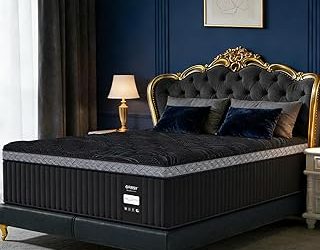
The EGOHOME mattress is designed around medium-firm back support, motion isolation, and a cooling cover, with copper gel and graphene-related cooling features. Its fiberglass-free construction may appeal to cautious buyers, while the tall all-foam profile is best paired with a robust, properly rated platform.
Frequently Asked Questions
What mattress firmness is best for heavier sleepers?
Medium-firm is a sensible starting point because it can balance pressure relief with resistance to excessive sinking. Sleep position still matters: side sleepers may need more cushioning, while stomach sleepers often benefit from a firmer, more supportive surface.
Is memory foam or a hybrid mattress better?
Hybrids generally provide stronger responsiveness, airflow, and edge support through their coil systems. Memory foam can excel at pressure relief and motion isolation, but dense foam and adequate thickness are especially important when the sleeper needs more substantial support.
How thick should a mattress be?
There is no universal thickness requirement, but a 10- to 14-inch mattress usually offers more room for layered support than a very thin design. Thickness alone does not indicate durability; the foam density, coil quality, foundation, and stated weight capacity matter just as much.
Can a small-space bed frame support a heavier mattress user?
Check the combined weight rating for the sleepers, mattress, and bedding. Use closely spaced slats or a solid platform when required, and avoid placing a heavy mattress on a lightweight frame that flexes, shifts, or lacks center support.
Final Thoughts
For a responsive feel and better airflow, the DreamCloud is a compelling all-around pick. The Nectar Luxe suits shoppers who prioritize contouring comfort and motion isolation, while the EGOHOME is worth considering for those seeking a tall, medium-firm, fiberglass-free memory-foam design. In every case, verify the frame rating and use the sleep trial to assess real-world support before committing.