Our Top Picks
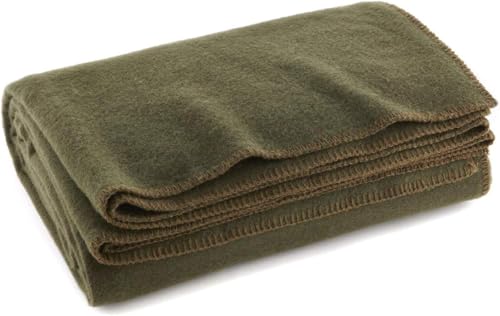 EverOne Olive Drab 80% Wool Fire Retardant Blanket1 Count (Pack of 1)90 x 66 x 0.04 inches3.45 poundsCheck on Amazon
Choose a merino blanket if you want soft, lightweight warmth that is gentler on skin, a heavier woven wool blanket such as a classic camp or heritage blanket if you want durability and warmth for the sofa, bed or travel, and a wool blend if you want lower upkeep and a lower budget. All wool blankets work best when you read the care label first, because shrinking and felting are the usual ways they get ruined.
Wool Blankets at a Glance
| Type | Best for | Feel | Limits |
|---|---|---|---|
| Merino wool | Soft, lightweight warmth; layering | Fine, smooth, less prickly | Premium tier; delicate care |
| Heritage woven wool | Durable all-round use, display and travel | Dense, sturdy, textured | Heavy; some find it scratchy; often dry clean |
| Lambswool | Soft but traditional wool throws | Soft, slightly fuzzy | Can shed at first; wash with care |
| Wool-cotton or wool-polyester blend | Lower cost, easier care | Soft with less warmth than pure wool | Less breathable than pure wool |
| Recycled or military-style wool | Camping, emergency kits, cabins | Rugged, coarse | Scratchy; heavy; bulky |
| Knitted wool throw | Decor and cosy sofa use | Chunky, stretchy | Can snag; special washing needed |
Why Choose Wool
Makers and bedding outlets describe wool as a natural, breathable insulating fibre that can hold warmth while allowing moisture to move. This is why wool is used on beds in cool climates and in outdoor settings. Reviewers also note that wool is naturally resilient and long lasting when cared for properly. These are general fibre traits as described by makers, and individual products vary by weave, weight and wool grade.
EverOne Olive Drab 80% Wool Fire Retardant Blanket - 66" X 90"
Chosen because it specifies 66" X 90".
View on Amazon
Ever Ready First Aid Olive Drab Green Warm Fire Retardant Blanket, 66" x 90" (80% Wool) – US Military Style, Heavy-Duty Survival & Emergency Blanket for Camping, Hunting, Outdoors & Home Use - 2 Pack
Chosen because it specifies 66" x 90" (80% Wool) and US Military Style.
View on Amazon
Molithe 100% Wool Blanket, 62" x 86", Warm, Thick, Military, Camping Gear | Great for Camping, Picnic, Outdoors, Travel, Cars, Sporting Events, Survival Kits
Chosen because it specifies 62" x 86" and Warm.
View on Amazon
Preboun 3 Pieces Wool Camping Blanket Fire Retardant Emergency,Dark Gray | 60x80 Inch Queen Size for Outdoor Camping Stadium, Military Grade First Aid, Bulk Pack for Travel Car Survival Emergency Kit
Chosen because it specifies Dark Gray and 60x80 Inch Queen Size for Outdoor Camping Stadium.
View on AmazonThe trade-offs are cost, care and feel. Some people find coarser wools itchy, and wool needs more careful washing than cotton or synthetic blankets. Wool also attracts moths if stored without protection.
What to Look For
Wool type and fineness
Merino is generally the finest and softest common option, with lambswool close behind. Coarser wools are more durable and rugged but less comfortable next to the skin. If you are sensitive to itch, look for merino or lambswool and a brushed or napped finish.
Percentage of wool
Makers state the fibre content on the label. A 100 percent wool blanket is the warmest and usually the most expensive. Blends add cotton, polyester or acrylic for softness, cost savings or easier care. Read the label to see what you are paying for.
Weight and weave
A heavy woven blanket traps the most warmth and suits cabins, camping or a bed in a cold room. A lightweight merino blanket suits layering. Knit throws are stretchy and cosy but less windproof.
Size
Wool blankets are sold as throws and in twin, queen and king sizes. Makers list exact dimensions. If you plan to use one as a bed blanket, pick a size that overhangs the mattress on each side.
Care and certifications
Many wool blankets are dry clean or hand wash only, though some makers sell machine-washable versions. Follow the care label. Some makers state certifications such as the Responsible Wool Standard or OEKO-TEX. Read the certificate wording on the product page to understand what it covers.
Brands Commonly Covered by Reviewers
Product lines change over time, so read the current maker page for each. The names below are widely cited by home and outdoor outlets.
Pendleton
A heritage Oregon brand known for woven wool blankets with distinctive patterns, including national park and Native-inspired designs. The maker lists wool as the primary fibre for many blankets and gives specific care instructions per product.
Faribault Woolen Mill
A Minnesota mill that makes wool and wool blend blankets and throws. Outlets often cover its heritage production and the range of weights.
Woolrich
An outdoor brand known for wool blankets with plaid and striped patterns. Reviewers often mention these for cabins and travel use.
Eddie Bauer and L.L.Bean
Outdoor retailers that sell wool and wool blend blankets suitable for cabin or camp use.
Merino-focused brands
Several direct-to-consumer bedding brands, including Parachute and Brooklinen, offer merino or wool blend throws and blankets. These typically sit in the mid-range to premium tier, and the maker lists care in the product details.
Pick X If… Decision Table
| Pick this | If you | Trade-off |
|---|---|---|
| Merino blanket | Want soft, lighter wool and sensitive skin comfort | Premium price tier; delicate care |
| Heritage woven wool | Want a long-lasting, heavy bed or sofa blanket | Weight; often dry clean only |
| Lambswool throw | Want soft traditional wool for the sofa | Early shedding; careful washing |
| Wool blend | Want easier care and a lower price | Less warmth and breathability |
| Rugged camp or utility wool | Need a blanket for a cabin, car or camp kit | Scratchy feel |
| Machine-washable wool | Want convenience | Follow the cycle instructions exactly |
Budget Tiers
- Budget: Wool blends and surplus-style blankets. They cost less and are practical for utility use, but may have lower wool content and a coarser feel.
- Mid-range: Lambswool throws, wool blends from heritage brands and some merino lines. A good fit for most homes.
- Premium: Pure merino, large heritage woven blankets and certified wool. These are best for shoppers who want a long-term heirloom-style purchase.
Care Notes
Always follow the care label. Wool can shrink or felt when exposed to heat, agitation and rapid temperature changes. Many makers recommend dry cleaning for woven blankets, or hand washing in cool water with a wool-safe detergent and drying flat. Airing a blanket in fresh air between uses is a common way to freshen it without washing. For storage, use a breathable bag and a moth deterrent as advised by the maker, and keep it dry.
If you have a wool allergy or skin condition, wool may not be suitable. Speak with a doctor if you are unsure.
Alternatives
- Cotton or linen blankets: a lighter, easier-to-wash option for warm homes.
- Down alternative or fleece: a budget substitute with different breathability.
- Alpaca or cashmere: softer fibres, often premium, with their own care needs.
- Quilts and coverlets: layered options for beds that are easier to launder.
Where Wool Blankets Fit in the Home
Wool suits several jobs. On a bed it works as a middle layer between sheet and duvet cover, adding warmth that can be removed in milder weather. On a sofa a lambswool or merino throw offers warmth without much bulk. In a cabin, car or camping kit a sturdy woven wool blanket is a traditional choice, and makers of heritage blankets often describe them as built to last for years. Reviewers also mention using a wool blanket as a decorative layer at the foot of the bed, since the patterns of woven blankets add visual interest.
Reading a product page
- Look at the fibre mix, including the percentage of wool.
- Look for stated weight or dimensions, which indicate how warm the blanket will be.
- Read the care instructions before buying so the upkeep suits you.
- Note whether the edges are bound or hemmed, since stitched binding resists fraying.
- Look for any stated origin, mill or standard, and treat it as the maker’s claim.
Getting the most from the purchase
Air the blanket outdoors in shade now and then, spot clean small marks promptly and avoid direct heat sources such as radiators, which can damage fibres. If you expect heavy use, a wool blend with a tighter weave can resist wear better, while a pure wool blanket suits lighter day-to-day use. A cotton duvet cover or flat sheet between the blanket and your body adds comfort for people who find wool scratchy.
Gift and Heirloom Value
Heritage woven wool blankets are often bought as wedding or housewarming gifts because the patterns are distinctive and the fibre has a long lifespan when looked after. If you are buying as a gift, confirm the size, fibre mix and care label so the recipient knows what to expect.
Frequently Asked Questions
Are wool blankets itchy?
It depends on the fibre. Merino and lambswool are finer and less likely to feel itchy, while coarser wools can. If you are sensitive, look for a soft finish or place a cotton sheet between the blanket and your skin.
Can I machine wash a wool blanket?
Only if the maker says so. Some are labelled machine washable on a wool cycle, but many woven wool blankets are dry clean only. Washing incorrectly can shrink or felt the fibres.
How do I keep moths away from wool blankets?
Wash or clean the blanket before storage, store it in a breathable bag in a dry space and use a moth deterrent as advised on the product. Cedar or lavender are common household choices. Check stored items periodically.
Is wool warmer than cotton?
Generally yes, because wool traps air in its fibres and is a good insulator. It also breathes, which makes it comfortable across a range of temperatures. Cotton is lighter and cooler.
What size wool blanket should I buy for a bed?
Match the stated blanket dimensions to your mattress size and choose a size with overhang on each side. Check the maker’s size chart, since dimensions vary between brands. A throw is not usually large enough to cover a full bed.
Why are wool blankets expensive?
Wool fibre, weaving and finishing cost more than synthetics, and heritage mills often produce in smaller runs. Higher prices often reflect fibre grade and durability. A well-kept wool blanket can last many years.