Our Top Picks
 KOHLER 715-0 Villager 60" x 30-1/4" Alcove Cast30 - 40 Gallons60 x 30.25 x 14 Inches316 poundsCheck on Amazon
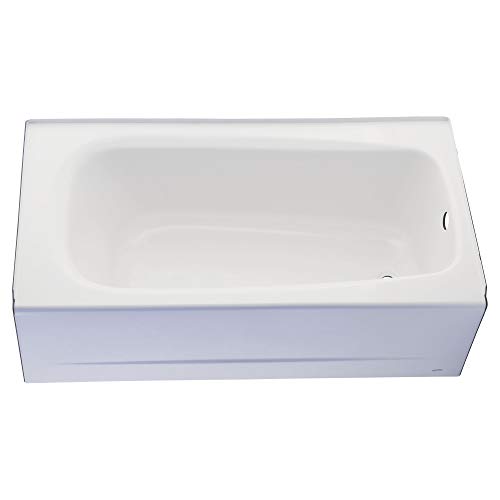 American Standard 2460002.020 Cambridge Apron-Front Americast Soaking Bathtub50 - 60 gal60 x 32 x 17.7 Inches118.1 poundsCheck on Amazon
 American Standard 2461002.020 Cambridge Americast 60 x 32-Inch50 - 60 gal46 x 24 x 70 inches118.1 poundsCheck on Amazon
Cast iron bathtubs suit buyers who want a durable, quiet, heat-retaining tub in a traditional or heritage style and have a floor, route and budget that can handle a very heavy fixture, while acrylic or steel tubs suit those who need a lighter, simpler install. Makers such as Kohler, Signature Hardware, Barclay, Bootz and Mansfield sell enameled cast iron tubs in alcove, drop-in, freestanding and clawfoot styles. This guide covers the main types, what makers state about weight and construction, and the structural and installation points to settle before you buy.
Cast Iron Tubs at a Glance
| Style | Typical maker examples | Best for | Limits |
|---|---|---|---|
| Alcove (three-wall) | Kohler Villager, Mansfield, Bootz | Standard bathroom replacement, tub-shower combos | Fixed size; needs matching apron and wall layout |
| Drop-in (deck mounted) | Kohler, Signature Hardware, Barclay | Custom surrounds, tiled decks | Requires a built frame |
| Clawfoot freestanding | Signature Hardware, Barclay, Kohler Birthday and heritage lines | Traditional look, flexible placement | Needs floor space, plumbing choices and strong floor |
| Slipper or double-ended freestanding | Signature Hardware, Kohler, Barclay | Soaking and a statement piece | Large and heavy |
| Skirted or apron-front tub | Kohler, Mansfield | Alcove installation with a finished front | Specific left or right drain orientation |
What Makes a Cast Iron Tub Different
A cast iron tub is cast from molten iron and coated with porcelain enamel on the interior and, for most styles, the exterior. Makers state that the mass of the iron gives a solid feel, helps hold water temperature longer and reduces water-filling noise. The enamel surface is hard and glossy, though it can chip if heavy items are dropped. Kohler, for example, publishes care guidance for its enameled cast iron products that advises non-abrasive cleaners.
KOHLER 715-0 Villager 60" x 30-1/4" Alcove Cast Iron Bathtub with Left-Hand Drain and Integral Apron, Safeguard Slip-Resistant Surface, White
Chosen because it specifies Safeguard Slip-Resistant Surface and White.
View on AmazonAmerican Standard 2460002.020 Cambridge Apron-Front Americast Soaking Bathtub Left Hand Drain,60 x 32 In, White, 50-60 gal
Chosen because it specifies 60 x 32 In and White.
View on Amazon
Akicon 67" Cast Iron Freestanding Bathtub, Drain and Overflow Kit Included | Double-Ended Soaking Tub, Deep Soaking, 56 Gallon Capacity, Ergonomic Sloped Design, for Home Spa or Bathroom Relaxation
Chosen because it specifies Drain and Overflow Kit Included and Double-Ended Soaking Tub.
View on AmazonAmerican Standard 2461002.020 Cambridge Americast 60 x 32-Inch Integral Apron Bathtub With Right-Hand Outlet, White
Chosen because it specifies White.
View on AmazonCast iron tubs are heavy. Many makers list weights from a couple of hundred pounds for smaller alcove models to several hundred pounds for large freestanding styles, and that is before water and the bather. Always check the maker’s specification sheet for the exact weight of the model you are considering.
Structural and Installation Checks
- Floor support: A filled cast iron tub with a bather can weigh much more than an acrylic tub. Have a qualified builder or structural professional assess joists, subfloor and, on upper floors, load capacity before ordering.
- Access route: Doorways, stairs and corridors must allow a very heavy item to be carried in. Measure the route and plan for a team of installers.
- Plumbing: Confirm drain location, overflow type and whether the tub comes with or without faucet holes. Clawfoot styles often need exposed supply pipes or a floor-mounted filler, which can affect cost and rough-in.
- Drain orientation: Alcove tubs are usually left-hand or right-hand drain. Choose by facing the tub from the outside and noting the drain side.
- Licensed trades: Use a qualified plumber for plumbing and a builder for framing. Follow local building codes and the maker’s installation manual.
Sizing
Standard alcove tubs are usually about 60 inches long, 30 to 32 inches wide and 14 to 20 inches high, as makers list. Freestanding clawfoot tubs commonly range from about 54 to 72 inches long. Measure your alcove precisely and compare the maker’s stated length, width and depth to overflow, since a deep tub holds more water but is harder for some people to step into.
Well-Known Options
- Kohler Villager: A long-running enameled cast iron alcove tub that Kohler offers in standard sizes, popular for replacement projects. Kohler also offers other cast iron styles, so check the current catalogue for the line you want.
- Signature Hardware: Sells a wide range of cast iron clawfoot and slipper tubs with different foot finishes and exterior paint options, as the maker lists.
- Barclay: Offers cast iron roll-top, slipper and double-ended tubs with various rim and foot options.
- Mansfield: Produces cast iron alcove tubs aimed at practical replacements.
- Bootz Industries: Offers steel and cast iron tub options in standard alcove sizes, positioned for value.
Not every model in a maker’s range is cast iron. Some lines use steel or acrylic, so read the product material line before ordering.
Budget Tiers and Trade-offs
| Tier | What you typically get | Trade-off |
|---|---|---|
| Budget | Standard alcove cast iron or steel-enamel tub, white finish | Fewer styles; steel tubs are lighter but less heat-retentive |
| Mid-range | Name-brand alcove, drop-in or basic clawfoot tubs | Heavy; installation and floor support add cost |
| Premium | Large clawfoot or slipper tubs, painted exteriors, specialty feet | Very heavy; may require structural work and special plumbing |
Care and Safety Notes
Clean with a non-abrasive bathroom cleaner and a soft cloth, as makers such as Kohler advise for enameled finishes. Avoid steel wool and harsh abrasives, which can wear the glaze. Wipe up standing water and fix leaking taps promptly, since constant dripping can leave rust-coloured stains. Chips in the enamel can expose iron to water, which may lead to rust, so consult the maker or a qualified refinisher about repair.
Tubs are slippery when wet. Consider a non-slip mat or adhesive strips rated for tubs, and talk to a healthcare professional if anyone using the bathroom has mobility or balance concerns. Electrical items near water, such as heaters or lights, must be installed by a qualified electrician and meet local codes.
Pick X If… Decision Table
| Pick this | If you want |
|---|---|
| Alcove cast iron tub | A durable replacement in a standard three-wall space |
| Drop-in cast iron tub | A custom tiled surround |
| Clawfoot tub | A traditional look and flexible placement |
| Slipper or double-ended tub | A larger soaking tub with a sculptural look |
| Steel enamel tub instead | A lighter, lower-cost enamel finish |
| Acrylic tub instead | Easier install and warmer feel to touch |
Alternatives
- Acrylic tubs: Lighter, warmer to touch and easier to install, though less heat-retentive and easier to scratch.
- Enameled steel tubs: Thinner than cast iron, lighter and generally lower in cost, though louder when filling unless insulated.
- Stone resin tubs: Heavy but lighter than cast iron, with a modern matte look.
Planning the Project
Because a cast iron tub is heavy and difficult to move, planning matters more than it does for lighter materials. Start by deciding on the style and size, then measure the room, the doorway and the route from the entrance to the bathroom. Ask the supplier for the maker’s installation guide before you order, so your plumber and builder can review it. Confirm the drain and overflow configuration, whether the tub includes faucet holes and whether a rim or deck is required for the faucet you plan to use.
Timeline and delivery
Delivery is often by freight, and the tub may arrive on a pallet that requires several people to move. Inspect the tub carefully for chips or damage before signing for the delivery, and follow the supplier’s claims process if you find any. Keep the tub protected during construction work, because the enamel can chip if a tool or tile falls onto it. Many installers lay a protective cover over the tub until the job is finished.
Longevity and resale
Makers often describe cast iron tubs as long-lasting, and many older cast iron tubs remain in service after decades. Their lifespan depends on the condition of the enamel. A tub with worn enamel can sometimes be refinished by a specialist, though results vary. If you are renovating for resale, consider whether buyers in your area value a heritage tub or prefer a simple alcove model with a shower.
Comfort considerations
Cast iron tubs tend to have a firm, straight-sided shape. If you enjoy reclining, look at the stated interior length and backrest angle, and where possible sit in the tub in a showroom. Rim shape matters too: a wide, rolled rim looks traditional but can feel cold on the neck, while a flat rim is easier to rest an arm on. A warm-up rinse of hot water before filling can help reduce the initial chill from the metal.
Frequently Asked Questions
How heavy is a cast iron bathtub?
Weights vary by model. Makers list them on their specification sheets, and many alcove tubs weigh well over 200 pounds before water, while large freestanding tubs weigh more. Always confirm floor capacity with a qualified professional.
Do cast iron tubs keep water warm longer?
Makers state that the mass of cast iron helps hold heat, and many reviewers agree it can feel warmer than thinner materials once the tub is warmed. Actual results depend on water volume, room temperature and the starting water temperature.
Can cast iron tubs rust?
The enamel coating protects the iron. If the enamel chips and exposes the metal to constant moisture, rust can form. Repair chips promptly using the maker’s guidance or a qualified refinisher.
Can I install a cast iron tub on an upper floor?
Possibly, but have a structural professional assess the floor first. The combined weight of the tub, water and bather is significant, and local building codes may apply.
How do I clean a cast iron tub?
Use a non-abrasive bathroom cleaner and a soft cloth, and rinse well. Avoid steel wool and harsh scouring pads. Follow the care instructions from your tub’s maker.
Is a cast iron tub worth the extra effort?
It depends on your priorities. Buyers who value durability, solid feel and a classic look often find the extra weight and installation effort acceptable, while those who want an easy install and lower cost may prefer acrylic or steel.