Key takeaways
- Confirm dimensions: Measure the RV platform, not just the listing label. A short queen often measures approximately 60 by 75 inches, while an RV queen may use a longer 60-by-80-inch footprint.
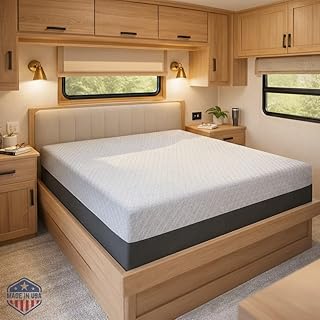
- Match mattress height: Thicker mattresses can add comfort, but they also reduce clearance around overhead cabinets and may make climbing into bed awkward in a compact floor plan.
- Choose the right feel: Medium-firm foam usually offers balanced support, while plush hybrids can suit side sleepers who need more cushioning around the shoulders and hips.
- Prioritize airflow: Cooling foam, breathable covers, and pocketed coils can help reduce heat buildup, especially when the bed is used in warm weather with limited ventilation.
- Plan for installation: A boxed mattress is easier to maneuver through an RV door than a fully expanded mattress. Allow time for unpacking and expansion before sleeping on it.
What's inside
Finding a queen RV mattress is less about choosing the thickest bed and more about matching comfort to a tightly measured sleeping platform. RV “queen” dimensions can differ from residential standards, while slide-outs, low ceilings, and limited storage make every inch matter. A mattress that feels luxurious in a house may be impractical in a camper if it restricts movement or leaves no room for bedding.
This guide focuses on fit, construction, cooling, support, and everyday livability in a compact rig. The selections span memory foam, hybrid coil designs, and slimmer options, so you can compare the right balance of pressure relief, airflow, durability, and available headroom before ordering.
As an Amazon Associate we earn from qualifying purchases.


How to Choose a/an Rv Mattress Queen (2026)
- Confirm dimensions: Measure the RV platform, not just the listing label. A short queen often measures approximately 60 by 75 inches, while an RV queen may use a longer 60-by-80-inch footprint.
- Match mattress height: Thicker mattresses can add comfort, but they also reduce clearance around overhead cabinets and may make climbing into bed awkward in a compact floor plan.
- Choose the right feel: Medium-firm foam usually offers balanced support, while plush hybrids can suit side sleepers who need more cushioning around the shoulders and hips.
- Prioritize airflow: Cooling foam, breathable covers, and pocketed coils can help reduce heat buildup, especially when the bed is used in warm weather with limited ventilation.
- Plan for installation: A boxed mattress is easier to maneuver through an RV door than a fully expanded mattress. Allow time for unpacking and expansion before sleeping on it.
The Best Rv Mattress Queen (2026)s Reviewed
Celestial Sleep 10-Inch RV Short Queen
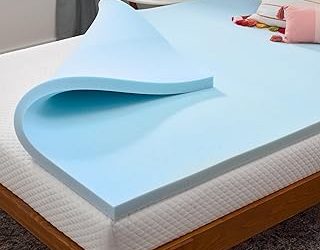
This medium-feel memory foam mattress is a practical choice for campers needing pressure relief without excessive height. Its stated CertiPUR-US, OEKO-TEX, and fiberglass-free certifications may appeal to buyers who want clearly identified material and manufacturing standards in a compact sleep setup.
Zinus 10-Inch Short Queen Ultima
The Zinus Ultima combines a 10-inch profile with memory foam designed for airflow and a medium-firm feel. It is a sensible fit for RV owners who want contouring comfort while keeping the mattress low enough for most standard camper-bed layouts.
WanderRest 12-Inch Cool Hybrid
With gel memory foam over pocketed coils, the WanderRest is geared toward sleepers who want both cushioning and a more responsive, supportive surface. Its 12-inch height is best suited to RVs with generous vertical clearance and a platform that can accommodate a taller mattress.
Lux Black Cool Hybrid 12-Inch
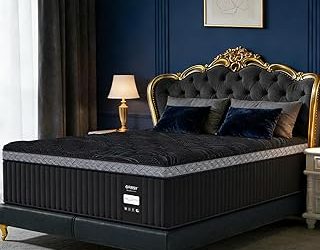
This hybrid pairs Elate visco foam with pocketed coils for a medium feel that should provide a steadier, less enveloping sensation than an all-foam bed. The temperature-regulating design and full queen dimensions make it an appealing upgrade for larger travel trailers, provided the platform and surrounding cabinetry allow enough space.
Best Price Mattress 6-Inch Short Queen
The six-inch profile is the standout feature here. It is a strong space-saving option for RVs with low overhead clearance, foldaway bed mechanisms, or owners who prefer to preserve storage and walking space rather than maximize mattress thickness.
Frequently Asked Questions
Is an RV queen mattress the same size as a residential queen?
Not always. A standard residential queen is typically 60 by 80 inches, while many RV mattresses use shorter lengths or slightly different corner shapes. Measure the existing mattress and the platform before purchasing.
What mattress thickness works best in an RV?
There is no universal answer. A 10- to 12-inch mattress can provide a more substantial feel, but a six- to eight-inch model may be better for low ceilings, convertible beds, or platforms with limited clearance.
Are hybrid mattresses too heavy for an RV?
Not necessarily, but coils generally add weight compared with all-foam construction. Check the bed platform, lifting hardware, and RV manufacturer’s load guidance, particularly if the mattress sits on a powered or hinged mechanism.
How long should an RV mattress expand before use?
Follow the manufacturer’s instructions. Many boxed mattresses become usable within several hours but may need longer to reach their full shape and firmness. Ventilating the RV during expansion can also help manage initial packaging odor.
Final Thoughts
The Celestial Sleep 10-Inch Short Queen and Zinus Ultima are well-rounded choices for compact RVs that need balanced foam comfort, while the WanderRest Cool Hybrid is better for shoppers with room for a taller, more supportive design. For tight clearances, the six-inch Best Price Mattress is the most space-conscious option.