Key takeaways
- Length: Confirm the exact blade length specified by your saw, since even a small mismatch can prevent proper tensioning.
- Width: Choose wider blades for straight resawing and narrower blades for tighter curves and detailed furniture components.
- Tooth pitch: Lower TPI removes material quickly in thick stock, while higher TPI gives smoother control in thinner material.
- Blade material: Bimetal blades combine a flexible backing with a harder cutting edge, making them a strong general-purpose choice for demanding work.
- Cutting task: Match the blade to wood, tubing, solid metal, or mixed workshop use rather than relying on one blade for every project.
What's inside
Choosing a band saw blade is rarely as simple as matching the length on the package. Tooth pitch, blade width, material, and the type of cut all affect whether your saw produces clean furniture parts or struggles with vibration, heat, and premature dulling. In a compact workshop, the wrong blade can also mean wasted stock and unnecessary blade changes.
This guide compares dependable options for woodworking, metalworking, and portable band saws. The emphasis is on practical fit: blade dimensions, tooth patterns, cutting behavior, and which jobs each blade is best suited to handle.
As an Amazon Associate we earn from qualifying purchases.


How to Choose a/an Band Saw Blades (2026)
- Length: Confirm the exact blade length specified by your saw, since even a small mismatch can prevent proper tensioning.
- Width: Choose wider blades for straight resawing and narrower blades for tighter curves and detailed furniture components.
- Tooth pitch: Lower TPI removes material quickly in thick stock, while higher TPI gives smoother control in thinner material.
- Blade material: Bimetal blades combine a flexible backing with a harder cutting edge, making them a strong general-purpose choice for demanding work.
- Cutting task: Match the blade to wood, tubing, solid metal, or mixed workshop use rather than relying on one blade for every project.
The Best Band Saw Blades (2026)s Reviewed
Lenox Classic Tuff Tooth 93-Inch Blade
The Lenox Classic Tuff Tooth is a capable bimetal option for larger benchtop and floor-standing saws that use a 93-inch blade. Its 18 TPI wavy-set teeth and positive rake favor controlled, relatively smooth cuts, making it a sensible choice when accuracy matters more than aggressive stock removal.
FOXBC 44-7/8-Inch Portable Blades
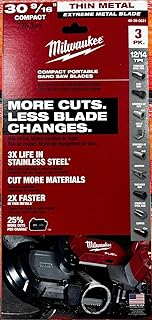
FOXBC’s five-pack is designed for compatible portable band saws, including several Milwaukee and DeWalt models. The 14 TPI layout offers a useful balance for cutting pipe, tubing, threaded rod, and general job-site metal, while the multi-pack is convenient for keeping a compact workshop supplied.
Lenox Classic Pro Vari-Raker 111.25-Inch Blade
With a 1-inch width and variable 5-8 TPI pattern, this Lenox Classic Pro blade is aimed at substantial saws and heavier cuts. The vari-raker tooth arrangement helps reduce repetitive tooth loading, making it especially appealing for thicker wood or demanding production-style work where a small saw blade would be outmatched.
Lenox Diemaster 2 93-Inch Blade
The Diemaster 2 combines a narrower 3/8-inch profile with an 14-18 TPI variable pattern, giving it a useful blend of maneuverability and finish quality. It is a strong fit for smaller detailed cuts and light-to-moderate metalwork when your saw accepts a 93-inch blade.
Lenox Tools Portable 44-7/8-Inch Blades
This Lenox five-pack is a straightforward replacement set for compatible portable band saws. The 14 TPI, .020-inch-thick bimetal construction is well suited to repeated metal cuts, and having several blades on hand helps prevent a dull blade from interrupting a furniture-building session.
Frequently Asked Questions
What TPI is best for cutting wood?
For general wood cutting, a blade around 3-6 TPI removes chips quickly and works well in thicker stock. Finer blades can improve the finish on thin boards, but they clear sawdust less effectively in deep cuts.
Can a wood band saw blade cut metal?
Not reliably unless the blade, saw speed, and machine are designed for metal. Use a bimetal metal-cutting blade with an appropriate TPI, and follow the saw manufacturer’s guidance for speed and workpiece support.
Is a wider blade always better?
No. Wider blades resist deflection during straight cuts, which is valuable for resawing, but they are less suitable for tight curves. A narrower blade is usually easier to control for furniture details and curved components.
How often should a band saw blade be replaced?
Replace it when cuts begin wandering despite correct tension and alignment, when excessive pressure is needed, or when the teeth show visible wear. Clean material, proper feed pressure, and suitable storage can extend blade life.
Final Thoughts
For a versatile larger saw, the Lenox Classic Tuff Tooth is a well-rounded starting point; the Lenox Classic Pro Vari-Raker is better for heavier stock and demanding straight cuts. For portable metal cutting, choose between the FOXBC pack for value and the Lenox Tools portable blades for a robust replacement set.