
Key takeaways
- The best yoga mat is the one whose size, construction and care requirements suit the practice you actually do. Begin with the positions, setting and...
What's inside
The best yoga mat is the one whose size, construction and care requirements suit the practice you actually do. Begin with the positions, setting and transport involved, rather than assuming one material or thickness is ideal for everyone. A mat is a practice surface; it cannot guarantee balance, comfort or a particular result on its own.
This guide provides practical selection and use considerations. It does not report hands-on product testing.
Define your mat’s main job
Describe where the mat will be used and which form of practice it supports. A home-only arrangement and a mat carried regularly to a class have different practical demands. If an instructor or venue has relevant requirements, clarify those before choosing a product around its appearance.
Avoid buying for an imagined future practice while ignoring the current one. A feature intended for another setting may add cost or bulk without meeting a present need. Keep optional uses on a separate list so they can be weighed consciously rather than silently expanding the shopping brief.
Compare dimensions in the positions you use
Read the exact length and width of the selected version. Relate those measurements to the practice and available floor area, with appropriate instruction where needed. A label such as standard does not establish that a mat accommodates the individual or the intended positions.
Consider movement around the mat as well. Fitting a rectangle between furniture is not a complete practice-space assessment. If the arrangement requires changing the taught movement to avoid a table or wall, reconsider the location rather than choosing a smaller mat simply because it can be stored there.
Read thickness together with material
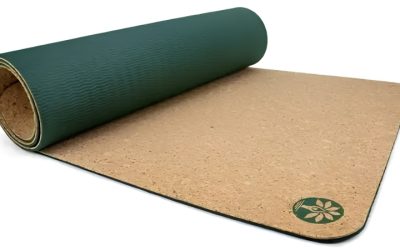
Thickness is only one description of the mat’s construction. Compare material, surface information and intended use instead of choosing the largest number automatically. A thick mat does not prove universal comfort, and a thin mat does not prove better balance or a more appropriate surface for every pose.
When possible, inspect the relevant model through an appropriate retailer or practice setting. Use that opportunity to identify questions about handling and fit, not to declare a winner for everyone. Return conditions are worth understanding when the product cannot be assessed before ordering.
Product listings to compare
As an Amazon Associate we earn from qualifying purchases. Compare the selected variant and its current description with the requirements above.
As an Amazon Associate we earn from qualifying purchases at no extra cost to you. Product prices and availability are accurate as of the date shown and are subject to change.



Distinguish the mat from its accessories
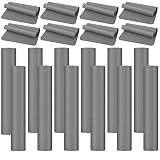
A towel, carrier or strap has a different purpose from the mat itself. Confirm the selected package contents and do not assume that all items shown in the image are supplied. An accessory bundle should be compared with a complete arrangement, not with the price of one mat alone.
Ask whether each extra serves the actual routine. A carrier may matter for travel but contribute little to a mat that stays at home. If special care products are suggested, check the manufacturer’s instructions before adding them; a seller’s bundle is not the authority on every material’s cleaning method.
Plan drying and storage before the first use
Read the cleaning, drying and storage guidance for the exact product. Do not assume all mats can be soaked, machine washed or folded. The home needs an appropriate place for those steps, not merely a gap that can hide the mat immediately after activity.
Keep the practice surface and its contact with the floor under review. Stop using an arrangement that slips or behaves unexpectedly, and seek relevant guidance rather than adding loose layers without understanding their effect. A general grip claim cannot certify every combination of mat, floor and conditions.
Make the final comparison concrete
Confirm the model, dimensions and package before checkout, including delivery and genuinely necessary accessories. Check for damage and mismatched contents on arrival, and retain the instructions. Popularity can identify candidates, but it does not settle individual requirements.
Choose a mat with a clear role in the routine and a care process you can accommodate. Retain the model details when a product family offers several similar versions. The useful decision is the complete practice arrangement, from setting it out to putting it away. There is no need for a universal top-ten claim when the essential information can be compared directly.


Additional product links
- View on Amazon
- View on Amazon
- View on Amazon
- View on Amazon
- View on Amazon
- View on Amazon
- Start 30-Day Prime Free Trial →
- See Today’s Amazon Deals
- ▸ Try Amazon Prime — free 30-day trial
- ▸ Start an Audible Premium Plus free trial
- ▸ Read free with Kindle Unlimited
Related reading
- Best Grippy Yoga Mat: 6 Non-Slip Picks for Hands and Feet
- Best Way to Clean a Yoga Mat: Methods, Timing and Sprays
- Best Grip Yoga Mat: 6 Non-Slip Picks for Sweaty Practice
- Yoga Block Best Picks: 6 Cork and Foam Options Compared
- Best Yoga Mat Bikram Practice: 6 Sweat-Proof Picks Tested
- Best Yoga Mat Thickness: 6 Mats Matched to Your Practice
- Best Cheapest Yoga Mat: 6 Budget Picks That Still Hold Grip
- Best Slip Resistant Yoga Mat: 6 Picks and Grip Care Tips
- Best Budget Yoga Mat: 6 Picks by Practice and Floor Type
- Best Cheap Yoga Mat: 6 Picks and Exactly What You Give Up
- Best Affordable Yoga Mat: 6 Picks Ranked by Cost Per Year
- Best Mat Yoga Shoppers Choose: 6 Picks Ranked by Thickness
- Best Rated Yoga Mat: 6 Top Picks for Grip and Durability

Write Your Review
No reviews yet. Be the first to share your experience!