Key takeaways
- Airflow: Look at CFM, especially at 40–90 PSI, rather than choosing by maximum PSI alone. More airflow generally clears zones faster.
- Tank size: A larger tank provides a useful reserve for short blowout cycles, while a smaller tank is easier to store and carry between jobs.
- Pressure control: Use a regulator and follow your irrigation manufacturer’s pressure limits. Never connect a compressor at its maximum setting by default.
- Duty cycle: Choose a model that can recover without excessive overheating. Pause between zones if the manual requires it.
- Storage and noise: Vertical tanks save floor space, while compact oil-free models are easier to tuck onto a shelf. Quieter operation is helpful near attached living spaces.
What's inside
Winterizing an irrigation system is less about maximum pressure than controlled airflow. A compressor that is too small may struggle to clear distant zones, while one that is too powerful can damage fittings, valves, or sprinkler heads when used without a regulator. Storage also matters: bulky horizontal tanks are difficult to live with in a compact garage or utility area.
This guide compares six practical compressors for sprinkler blowout, with attention to airflow, tank capacity, portability, noise, and storage footprint. The strongest choices balance enough recovery for residential zones with controls that make it easier to work safely and methodically.
As an Amazon Associate we earn from qualifying purchases.




How to Choose an Air Compressor For Sprinkler Blow Out (2026)
- Airflow: Look at CFM, especially at 40–90 PSI, rather than choosing by maximum PSI alone. More airflow generally clears zones faster.
- Tank size: A larger tank provides a useful reserve for short blowout cycles, while a smaller tank is easier to store and carry between jobs.
- Pressure control: Use a regulator and follow your irrigation manufacturer’s pressure limits. Never connect a compressor at its maximum setting by default.
- Duty cycle: Choose a model that can recover without excessive overheating. Pause between zones if the manual requires it.
- Storage and noise: Vertical tanks save floor space, while compact oil-free models are easier to tuck onto a shelf. Quieter operation is helpful near attached living spaces.
The Best Air Compressor For Sprinkler Blow Out (2026)s Reviewed
Klutch 29-Gallon Air Compressor
The Klutch 29-gallon model is the strongest fit here for larger residential systems or repeated zone blowouts, thanks to its 5.1 CFM at 90 PSI and generous reserve. Its vertical, oil-free design uses less floor area than a comparable horizontal tank, although its height and weight make it better for a dedicated garage corner than frequent carrying.
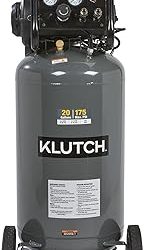
Klutch 20-Gallon Air Compressor
With a 20-gallon tank and 4.2 CFM at 90 PSI, this Klutch compressor offers a useful middle ground for homeowners who want more recovery than a pancake unit without stepping up to the largest tank. The vertical layout, large wheels, and accessible drain make it relatively practical in a workshop, but measure your storage nook before buying.
Metabo HPT 6-Gallon Portable Pancake Compressor
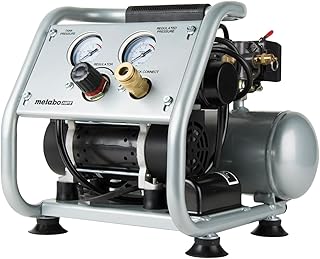
The Metabo HPT EC914S combines a portable six-gallon format with a high 200 PSI maximum and 4 CFM flow rate. It is a flexible choice for typical residential irrigation work and general home projects, though users should regulate output carefully and allow the pump to recover between zones.
DEWALT 6-Gallon Pancake Air Compressor
The DEWALT DWFP55126 is a familiar, compact option for homeowners who value easy transport and straightforward storage. Its 2.6 SCFM at 90 PSI can handle smaller systems when used zone by zone, but it may require more waiting and shorter blowout intervals than a larger-tank compressor.
Metabo HPT Quiet 1-Gallon Air Compressor
The Metabo HPT EC28M is appealing for apartments, tight garages, and occasional light-duty tasks because its 59 dB operation and compact footprint are unusually storage-friendly. Its one-gallon tank is best suited to small irrigation sections or supplemental work rather than clearing a large multi-zone system in one session.
Frequently Asked Questions
What size air compressor is best for sprinkler blowout?
For many residential systems, a compressor delivering roughly 4–6 CFM with a modest tank is a practical starting point. The correct choice depends on pipe size, zone layout, and the irrigation manufacturer’s recommended procedure; airflow is more important than simply selecting the highest PSI rating.
How much PSI should I use to blow out sprinklers?
Use the lowest pressure that clears the zone effectively, and follow the limits for your specific system. A regulator is essential because compressor tank pressure can be far higher than the safe operating pressure for irrigation components.
Can a 6-gallon compressor blow out an irrigation system?
Often, yes, if you work one zone at a time and allow the tank to recharge. A six-gallon model is more suitable for small and medium residential systems than for large properties with long runs or multiple zones operating in sequence.
Is a larger tank always better?
Not always. A larger tank gives you a longer burst of stored air and can reduce cycling, but it also adds weight and takes more space. For compact storage, a six-gallon pancake unit may be the smarter compromise; for demanding systems, a 20- or 29-gallon vertical model is more comfortable to use.
Final Thoughts
The Klutch 29-Gallon is the best pick for demanding residential blowouts, while the Klutch 20-Gallon offers a more manageable balance of capacity and footprint. For smaller systems and easier storage, the Metabo HPT 6-Gallon Portable Pancake Compressor is a versatile choice; regardless of model, use a regulator and follow your irrigation system’s winterization instructions.