Key takeaways
- Cleaning: Prioritize removable, machine-washable materials when chairs sit near young children, pets, or a busy kitchen. For upholstery yardage, check whether the fabric can tolerate spot cleaning without water rings.
- Durability: Tight weaves and upholstery-weight polyester usually handle repeated sitting better than loosely woven decorative cloth. A higher-denier fabric is especially useful for seats that receive heavy daily use.
- Fit: Slipcovers need the correct seat dimensions and enough stretch to stay tidy. Loose fabric may bunch at the corners, while an overly tight cover can pull at seams and expose the original upholstery.
- Texture: Linen-look fabrics add relaxed character, but textured surfaces can catch crumbs. Smooth, breathable covers are often easier to vacuum and more comfortable during long meals.
- Room scale: In a small dining room, calm solids and tailored covers make chairs appear less visually heavy. Use a subtle texture rather than a busy print if the table, rug, or wall already has pattern.
What's inside
Best Fabric For Dining Room Chairs (2026): Dining chairs take more abuse than most upholstered furniture. Daily meals bring crumbs, spills, pet hair, and friction, while narrow dining spaces leave little room for bulky cushions or complicated cleaning routines. The wrong fabric can look attractive in the sample but quickly become slippery, wrinkled, stained, or difficult to maintain.
This guide focuses on practical chair-fabric solutions for compact dining areas, from washable slipcovers to yardage for a custom upholstery project. I’m weighing texture, durability, cleaning convenience, fit, and visual impact so you can choose a finish that works with the way your household actually eats, entertains, and lives.
As an Amazon Associate we earn from qualifying purchases.



How to Choose a Fabric For Dining Room Chairs (2026)
- Cleaning: Prioritize removable, machine-washable materials when chairs sit near young children, pets, or a busy kitchen. For upholstery yardage, check whether the fabric can tolerate spot cleaning without water rings.
- Durability: Tight weaves and upholstery-weight polyester usually handle repeated sitting better than loosely woven decorative cloth. A higher-denier fabric is especially useful for seats that receive heavy daily use.
- Fit: Slipcovers need the correct seat dimensions and enough stretch to stay tidy. Loose fabric may bunch at the corners, while an overly tight cover can pull at seams and expose the original upholstery.
- Texture: Linen-look fabrics add relaxed character, but textured surfaces can catch crumbs. Smooth, breathable covers are often easier to vacuum and more comfortable during long meals.
- Room scale: In a small dining room, calm solids and tailored covers make chairs appear less visually heavy. Use a subtle texture rather than a busy print if the table, rug, or wall already has pattern.
The Best Fabric For Dining Room Chairs (2026)s Reviewed
Seat Covers for Dining Room Chairs, Set of 6
These stretch, washable seat covers are a sensible choice when the existing chair frames are still sound but the cushions look tired. The removable design helps contain pet hair and everyday stains, and a six-piece set is convenient for outfitting a full dining table while keeping a spare available during laundry.
TinaKim Thick Faux Linen Upholstery Fabric
TinaKim’s thick faux-linen cloth suits a more permanent refresh, such as recovering removable seat pads or adding a coordinated panel to dining chairs. Its flaxen tone brings warmth without overwhelming a compact room, although DIY upholsterers should measure carefully and account for extra fabric around every edge.
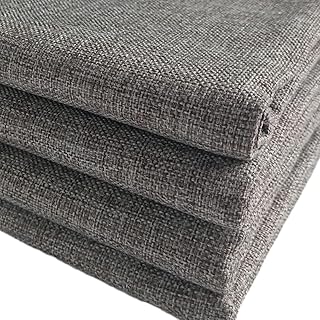
Faux Linen Needlework Fabric, Grey Blue
This large grey-blue faux-linen fabric offers useful yardage for several seats or a broader dining-room project. The cool color can balance warm wood and visually lighten darker furniture, while the generous width reduces the number of joins needed when cutting seat covers or upholstery panels.
K-Musculo 600D Upholstery Fabric
For households that need resilience above all else, K-Musculo’s 600D polyester is the heavy-duty option in this selection. Its water-resistant indoor/outdoor construction makes it appealing for messy dining areas, breakfast nooks, or chairs that move between indoor and covered outdoor spaces; expect a firmer, more utilitarian feel than linen-look cloth.
Stretch Chair Covers for Dining Room Kitchen Parsons, Set of 4
This four-pack is designed for a quick visual reset on compatible Parsons-style dining chairs. Stretch fabric and simple installation make it useful for renters or anyone who wants seasonal protection without reupholstering, while the washable construction keeps a small dining area looking orderly after spills.
Frequently Asked Questions
What is the best overall fabric for dining chairs?
For most homes, washable stretch covers offer the best balance of protection, affordability, and easy maintenance. If you are reupholstering rather than covering chairs, a tightly woven polyester or durable faux linen is generally more practical than a delicate natural weave.
Is faux linen suitable for dining chair upholstery?
Yes, faux linen can work well when it is upholstery-weight and tightly woven. It provides the relaxed appearance of linen with less concern about severe wrinkling, but always test a small area for cleaning and check that the fabric is thick enough to resist abrasion.
How much fabric do I need to recover a dining chair?
A basic seat often requires roughly half to three-quarters of a yard, depending on the cushion size, pattern direction, and how much material must wrap underneath. Measure the seat, add several inches on every side for stapling, and buy extra if matching multiple chairs.
Are slipcovers better than reupholstering?
Slipcovers are better when washing, seasonal changes, or reversibility matter. Reupholstery gives a cleaner custom fit and can feel more substantial, but it requires more tools, time, and commitment. In a small space, removable covers are usually the more flexible solution.
Final Thoughts
For low-effort everyday protection, the Seat Covers for Dining Room Chairs, Set of 6 are a practical starting point. Choose TinaKim Thick Faux Linen for a warmer custom look, or K-Musculo 600D Fabric when durability and water resistance take priority over softness.