Key takeaways
- Give a compressed foam topper time to expand and air out according to the manufacturer’s instructions before judging its comfort.
- Use a fitted sheet with enough depth for both the mattress and topper; forcing a shallow sheet can create ridges and pull the topper sideways.
- Rotate a fiber-filled topper periodically to distribute wear, but do not flip a contoured or layered foam topper unless the instructions allow it.
- Place a non-slip layer beneath a lightweight pad if it shifts on a smooth mattress cover or platform bed.
- Keep the original packaging, when practical, until you have checked the fit and comfort during the retailer’s stated return period.
What's inside
Side sleeping can feel comfortable, but it places concentrated pressure on the shoulder, hip, and outer knee. If your mattress is too firm, those areas may feel sore or numb by morning; if it is too soft, your hips can sink and pull your spine out of alignment. The best mattress topper for a side sleeper adds cushioning in the right places without creating a deep, unstable cradle.
This guide explains how to choose the right thickness, material, firmness, and fit for your bed. It also considers practical small-space concerns, including toppers that are easier to move, store, wash, or use on a guest bed. Our recommended picks below cover plush quilted pads, breathable bamboo styles, and supportive memory foam in several comfort levels.
As an Amazon Associate we earn from qualifying purchases.



Start With the Right Thickness
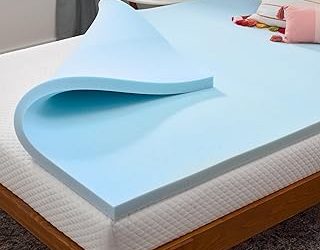
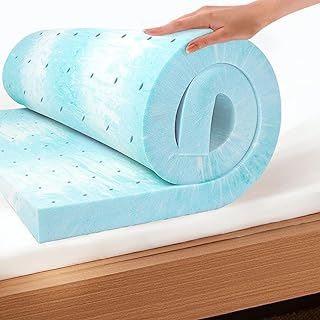
Thickness is the quickest way to estimate how much a topper will change your bed. A 2-inch topper usually softens a mattress without dramatically altering its support, making it useful when your current mattress is generally comfortable but slightly too firm. The Linenspa 2 Inch Gel Memory Foam Topper is a practical example of this middle-ground approach.
Choose about 3 inches when you need noticeable pressure relief around the shoulders and hips. A thicker topper can be especially helpful on a firm innerspring mattress, though it may make getting in and out of bed feel less stable. Five-inch designs, such as the WhatsBedding 5 Inch Bamboo Viscose Air Layer Topper, create a more substantial cushion but also require careful checking of bed height, fitted-sheet depth, and storage space.
Choose a Material That Matches Your Sleep Style
Memory foam offers close contouring, which can reduce pressure on prominent joints. Gel-infused and ventilated versions are designed to release heat more effectively than traditional dense foam. The EGO 3 Inch Gel Memory Foam Topper and Linenspa topper are worth considering if you want body-hugging support with a cooling-oriented construction. Look for safety testing such as CertiPUR-US certification, but remember that certification does not guarantee a particular firmness or temperature experience.
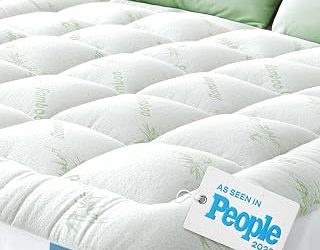
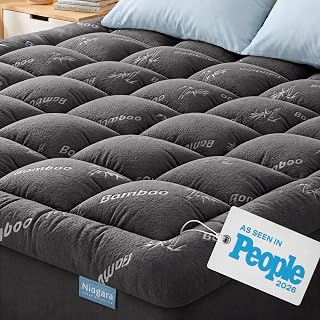
Quilted fiber and bamboo-viscose toppers feel more like a padded mattress cover than a molded foam layer. They are often easier to compress, wash, and rearrange in a compact bedroom. The Niagara Sleep Solution Ultra Soft & Cooling Topper and BEDLORE Viscose Bamboo Topper emphasize a plush, breathable surface. These styles are a good fit when you want softness without the enveloping feel of foam.
Balance Pressure Relief With Spinal Alignment
A side sleeper generally needs enough give for the shoulder and hip while keeping the waist from dropping too far. Lie on your side and ask someone to check whether your head, neck, and spine form a reasonably straight line. If your torso angles downward toward the mattress, the topper may be too soft or too thick. If your shoulder feels compressed and your waist is unsupported, it may be too firm.
Your body weight also affects the result. Lighter sleepers may find a medium topper supportive enough, while heavier sleepers often need a resilient 3-inch layer rather than a very soft, deeply quilted pad. If the mattress beneath you already sags, a topper can disguise the problem temporarily but will not restore proper support.
Check Fit, Surface Feel, and Maintenance
Measure the mattress before buying, including its height. Deep-pocket skirts vary considerably: the BEDLORE topper fits mattresses in a 6-to-18-inch range, while the EASELAND Cotton Pillow Top Mattress Pad is designed for mattresses measuring roughly 8 to 21 inches. A loose skirt can bunch under your hips, while a tight one can pull the topper out of place.
For a smaller bedroom, prioritize a topper that can be folded or compressed when not needed. A washable quilted pad is usually simpler to store than a thick foam slab. The EASELAND cotton pad has a machine-washable construction, which can be convenient for a guest room, dorm, or frequently rearranged sleeping space. Foam toppers generally need spot cleaning and thorough airing rather than a washing machine cycle, so check the care label before purchase.
Consider Heat, Motion, and Bed Height
Side sleepers who run warm should favor breathable covers, ventilated foam, or fiber fills that allow more airflow. Bamboo-derived fabrics can feel smooth and moisture-managing, but the cover alone cannot prevent heat buildup if the core is dense foam. Use breathable sheets and avoid adding multiple thick blankets directly over the sleeper.
Memory foam can reduce motion transfer, making it useful when two people share a compact bed. However, thicker foam may make the bed noticeably taller and can reduce the usable clearance beneath a platform or storage bed. Before choosing a deep topper, measure the remaining space around the bed, including drawers, under-bed bins, and nearby furniture paths.
Tips
- Give a compressed foam topper time to expand and air out according to the manufacturer’s instructions before judging its comfort.
- Use a fitted sheet with enough depth for both the mattress and topper; forcing a shallow sheet can create ridges and pull the topper sideways.
- Rotate a fiber-filled topper periodically to distribute wear, but do not flip a contoured or layered foam topper unless the instructions allow it.
- Place a non-slip layer beneath a lightweight pad if it shifts on a smooth mattress cover or platform bed.
- Keep the original packaging, when practical, until you have checked the fit and comfort during the retailer’s stated return period.
Frequently Asked Questions
What thickness is best for side sleepers?
Most side sleepers should begin with 2 to 3 inches. A 2-inch topper changes the feel more gently, while 3 inches usually provides deeper shoulder and hip cushioning. Consider a thicker design only when you have enough bed height and need a major softness adjustment.
Is memory foam or a quilted topper better?
Memory foam is usually better for pronounced pressure relief and motion isolation. A quilted topper is often cooler-feeling, easier to handle, and simpler to clean. Choose based on whether your main issue is joint pressure or a need for a lighter, more flexible comfort layer.
Can a mattress topper fix back pain?
It may improve comfort when pain is related to excessive firmness or poor pressure distribution, but it cannot correct a sagging or structurally damaged mattress. Persistent or severe pain deserves advice from a qualified healthcare professional.
How do I stop a topper from sliding?
Use a correctly sized deep-pocket sheet over both layers, and make sure the mattress surface is clean and dry. A fitted mattress protector or non-slip underlay can help with lightweight toppers. Avoid adhesives that could damage the mattress fabric.
Conclusion
The best mattress topper for a side sleeper is the one that cushions the shoulder and hip while keeping the spine level. Start with a 2- or 3-inch layer, match the material to your temperature and maintenance preferences, and verify pocket depth before ordering. In a small bedroom, also account for the topper’s storage footprint and added bed height. A careful fit and realistic comfort goal matter more than choosing the thickest or softest option available.