Key takeaways
- Measure doorways, stairwells, elevators, and the final bed position before ordering a mattress or base.
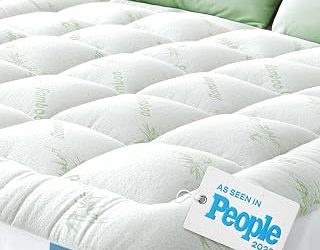
- Use a mattress protector that remains flexible when the bed bends; avoid rigid pads that limit articulation.
- Keep the remote in a small wall-mounted pocket or bedside caddy so it does not disappear under the bed.
- Test every preset, including zero gravity and anti-snore positions, during the return window rather than relying on a quick first impression.
What's inside
An adjustable bed can transform a compact bedroom, guest room, or shared sleep space—but only when the mattress is flexible enough to move with the base. A mattress that is too rigid may resist head and foot elevation, while one that is too soft can feel unstable when the bed is raised. The right choice should support your body, clear the frame’s moving parts, and fit the way you use the room day to day.
This guide explains which mattress types work best on adjustable beds in 2026, how to compare foam and hybrid construction, and what to check before buying. It also highlights practical features such as split sizing, cooling materials, fiberglass-free construction, trial periods, and easy setup—especially useful when every inch of floor space matters.
As an Amazon Associate we earn from qualifying purchases.


Our Recommended Picks
Start With Adjustable-Bed Compatibility
Before comparing comfort levels, confirm that the mattress is designed for an adjustable base. Look for wording such as “compatible with adjustable beds” and check the manufacturer’s thickness and weight guidance. Most flexible all-foam and hybrid mattresses work well, but an unusually heavy mattress may put extra strain on the base’s lifting motors.
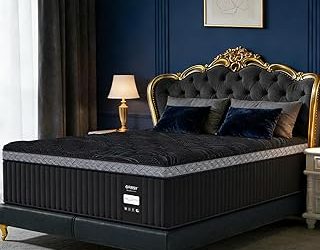
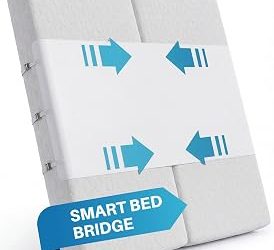
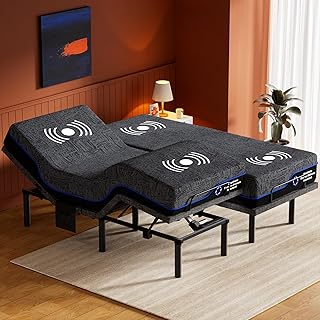
Measure the mattress and frame together, not just the bedroom. In a small room, a split king or split queen can be easier to carry, rotate, and position than one large mattress. A split setup also allows each sleeper to raise their side independently, although the center seam may be noticeable. The Amada Split King set and EGOHOME Split King set combine a compatible base and mattress, which can simplify sizing and reduce guesswork when furnishing a tight space.
Choose Between Memory Foam and Hybrid Construction
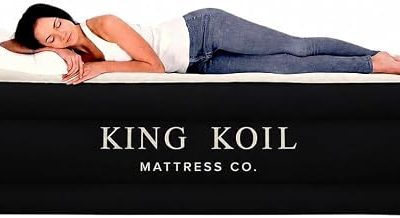
Memory foam is often the simplest match for an adjustable bed. It bends smoothly, absorbs movement, and cushions pressure around the shoulders, hips, and lower back. It is particularly useful for side sleepers and couples who want fewer disturbances when one person changes position. Look for ventilated foam, gel or copper infusions, and a breathable cover if you tend to sleep warm.
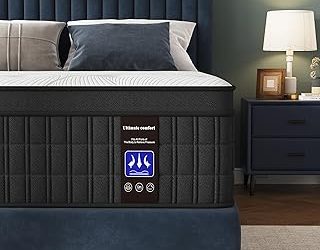
Hybrid mattresses pair foam with individually wrapped coils. They generally offer more bounce, stronger edge support, and easier movement than all-foam models. That can be helpful in a compact bedroom where the bed doubles as a reading or lounging surface. The Sleepmax 14-inch hybrid and Mielmoon 10-inch Split Queen hybrid are examples of coil-and-foam designs to consider. A hybrid may feel slightly less uniform when the base is elevated, so check that its construction is specifically approved for adjustable use.
Match Firmness to Your Sleeping Position
Medium-firm is a practical starting point for many adjustable-bed shoppers because it balances pressure relief with support. Side sleepers often prefer a little more cushioning so the shoulder and hip can settle into the mattress. Back sleepers typically need enough firmness to prevent the pelvis from sinking too deeply. Stomach sleepers usually benefit from a firmer, more supportive surface to help keep the midsection level.
Adjustable positioning can change how a mattress feels. Raising the head may make a soft mattress feel more supportive, while elevating the legs can increase the sensation of sinking. If you share the bed, use the trial period to test both sides in your normal sleep positions. A mattress that feels ideal for ten minutes in a showroom—or immediately after unboxing—may feel different after several nights.
Pay Attention to Thickness, Weight, and Clearance
Thicker mattresses can provide a more substantial feel, but they also add weight and may reduce the base’s available range of motion. A 10- to 14-inch mattress is common, yet the best thickness depends on the base’s specifications and your preferred support. Confirm that sheets can stretch over both the mattress and any raised head or foot position; deep-pocket sheets are often necessary.
In a small space, clearance matters as much as comfort. Check whether the bed includes tall or removable legs, under-bed lighting, or storage clearance. Features such as USB ports and LED night lights can reduce the need for extra bedside furniture. However, keep cords away from walkways and make sure the base can move without contacting a wall, dresser, or nightstand.
Evaluate Materials and Setup Details
Certifications and construction details are worth checking, but interpret them carefully. CertiPUR-US certification applies to certain foam components and addresses criteria such as emissions and materials; it is not a guarantee that every part of the mattress has the same certification. If you prefer to avoid fiberglass, look for an explicit fiberglass-free statement, such as the one listed for the Sleepmax hybrid and the Split King cooling copper-foam set.
Compressed mattresses are convenient for narrow hallways, staircases, and apartments, but they need time to expand. Follow the manufacturer’s setup instructions and allow adequate ventilation during unboxing. A set that includes the base, remote, mattress, and tools-free assembly can be easier to manage than coordinating separate deliveries. For an RV, guest room, or unusual footprint, the American Made 11-inch Liberty Hybrid in the 70-by-75-inch size may be worth comparing with standard dimensions.
Tips
- Measure doorways, stairwells, elevators, and the final bed position before ordering a mattress or base.
- Use a mattress protector that remains flexible when the bed bends; avoid rigid pads that limit articulation.
- Keep the remote in a small wall-mounted pocket or bedside caddy so it does not disappear under the bed.
- Test every preset, including zero gravity and anti-snore positions, during the return window rather than relying on a quick first impression.
Frequently Asked Questions
What type of mattress is best for an adjustable bed?
Flexible memory foam and well-designed hybrid mattresses are usually the best choices. They can contour as the base raises or lowers without creating large gaps or excessive strain. Always verify compatibility with the specific frame.
Is a split mattress better for an adjustable bed?
A split mattress is useful when two people want independent head and foot positions, or when a large mattress would be difficult to move through a small home. The trade-off is a seam in the middle and potentially different sheet requirements.
Can I use a traditional innerspring mattress?
Some individually pocketed-coil mattresses are adjustable-base compatible, but traditional interconnected coils may not flex smoothly. Avoid assuming compatibility based on appearance; check the product specifications and warranty terms first.
How thick should an adjustable-bed mattress be?
There is no universal ideal thickness. Many options fall between 10 and 14 inches, but the base’s weight limit, movement range, and manufacturer recommendations matter more than thickness alone. A thinner mattress may be easier for the motor to lift, while a thicker one can offer a deeper comfort layer.
Conclusion
The best mattress for an adjustable bed is flexible, appropriately supportive, and genuinely compatible with the base—not simply the softest or thickest model available. Compare memory foam with hybrid construction, match firmness to your sleeping position, and measure the complete setup for your room. In a small space, a split design, manageable delivery package, integrated lighting, and organized cable setup can make the bed easier to live with as well as more comfortable to sleep on.