Key takeaways
- Measure the footprint: Record the available width, depth, and height, then allow extra clearance for ventilation and door swing. A refrigerator that technically fits may still be frustrating if its door cannot open fully.
- Prioritize usable capacity: Interior dimensions matter more than the headline cubic-foot figure. Look for adjustable shelves, practical door bins, and a freezer that suits your actual shopping habits.
- Match the freezer style: A separate upper freezer is generally better for frozen meals and long-term storage, while a small internal compartment is useful for ice, breakfast foods, and a few essentials.
- Consider noise and placement: For bedrooms, studios, and offices, low operating noise is especially important. Check the manufacturer’s specifications and avoid placing the unit directly beside a bed or quiet workspace.
- Keep maintenance simple: Models without plumbing or built-in water systems usually involve fewer cleaning tasks. Still, check for removable shelves, accessible temperature controls, and an easy-to-clean interior.
What's inside
Shopping for a refrigerator without a built-in water dispenser is often less straightforward than it sounds. Many modern models devote valuable door space to ice and water systems, while smaller kitchens, rentals, offices, and dorms may benefit more from a simpler layout, greater usable storage, and fewer parts to clean or repair.
This guide focuses on compact refrigerators and apartment-size models that skip the built-in dispenser or keep the design uncomplicated. I’m evaluating them from a small-space organization perspective, looking at footprint, storage flexibility, freezer usefulness, noise, temperature control, and how easily each model can fit into everyday routines.
As an Amazon Associate we earn from qualifying purchases.


How to Choose a Fridge Without Water Dispenser (2026)
- Measure the footprint: Record the available width, depth, and height, then allow extra clearance for ventilation and door swing. A refrigerator that technically fits may still be frustrating if its door cannot open fully.
- Prioritize usable capacity: Interior dimensions matter more than the headline cubic-foot figure. Look for adjustable shelves, practical door bins, and a freezer that suits your actual shopping habits.
- Match the freezer style: A separate upper freezer is generally better for frozen meals and long-term storage, while a small internal compartment is useful for ice, breakfast foods, and a few essentials.
- Consider noise and placement: For bedrooms, studios, and offices, low operating noise is especially important. Check the manufacturer’s specifications and avoid placing the unit directly beside a bed or quiet workspace.
- Keep maintenance simple: Models without plumbing or built-in water systems usually involve fewer cleaning tasks. Still, check for removable shelves, accessible temperature controls, and an easy-to-clean interior.
The Best Fridge Without Water Dispenser (2026)s Reviewed
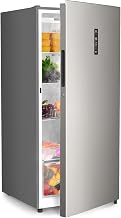
7.3 Cu. Ft. Apartment Refrigerator with Freezer
This silver apartment refrigerator offers a useful middle ground for compact kitchens that need more than a mini fridge can provide. Its adjustable thermostat and low-noise design are practical for offices, guest suites, and smaller homes, while the separate freezer gives frozen food a defined storage zone without adding dispenser hardware.
Frigidaire 7.5 Cu. Ft. Platinum Series
The Frigidaire two-door apartment refrigerator is a strong choice when vertical storage is more valuable than a wide footprint. Its stainless finish suits contemporary kitchens, and the dedicated refrigerator-freezer arrangement makes it easier to organize fresh food, drinks, and frozen items than a single-door model.
Antarctic Star 2.45 Cu. Ft. Double-Door Mini Fridge
This compact black refrigerator works well where every inch counts, including dorm rooms, bedrooms, and home offices. The double-door layout separates the freezer from the fresh-food compartment, making it a more orderly option than many single-door mini fridges, though its smaller capacity is best for light grocery storage.
EUHOMY 130-Can Beverage Refrigerator
The EUHOMY beverage cooler is designed for drinks rather than full grocery storage, making it particularly useful as a secondary refrigerator in a media room, bar area, or home office. Its glass door, removable shelves, and digital temperature control make contents easy to see and rearrange, but it should complement—not replace—a food refrigerator.
EUHOMY 3.2 Cu. Ft. Single-Door Mini Fridge
This single-door EUHOMY model is a sensible pick for personal food storage in a dorm, bedroom, or office. Its compact freezer compartment, adjustable thermostat, and energy-saving design cover everyday basics, while the simple exterior keeps it visually unobtrusive in tight quarters.
Frequently Asked Questions
Why choose a fridge without a water dispenser?
A dispenser-free refrigerator usually offers a cleaner exterior, more flexible door storage, and fewer components that can leak, clog, or require maintenance. It can also be a better fit for renters or anyone who does not want to connect a water line.
Are mini fridges suitable for everyday food storage?
They can be, especially for one person or a secondary food station, but capacity is limited. Before buying, consider how often you shop and whether you need room for produce, meal-prep containers, tall bottles, or frozen food.
Is a beverage cooler the same as a refrigerator?
No. A beverage cooler is optimized for cans and bottles, often with shelving designed around drink storage. It may not provide the same food-storage layout or freezer function as a conventional refrigerator.
How much clearance does a compact refrigerator need?
Clearance varies by model, so follow the manufacturer’s installation guidance. In general, leave room around the sides, back, and top for airflow, and confirm that the door can open past nearby walls, cabinets, or appliances.
Final Thoughts
For a small kitchen with genuine food-storage needs, the Frigidaire 7.5 Cu. Ft. Platinum Series is the most balanced choice, while the 7.3 Cu. Ft. apartment refrigerator is a practical alternative with a quieter, straightforward design. For personal spaces, the Antarctic Star 2.45 Cu. Ft. model offers tidy double-door organization, and the EUHOMY 3.2 Cu. Ft. mini fridge is a capable compact option.