Key takeaways
- Durability: Choose a tightly woven fabric that can handle repeated sitting, especially for breakfast nooks and everyday dining sets.
- Cleanability: Smooth surfaces, washable textiles, and coated upholstery are easier to maintain than loose, highly textured weaves.
- Thickness: Medium-weight material is usually easiest to wrap neatly around a seat without creating bulky corners or difficult folds.
- Pattern scale: In a small dining space, subtle textures and restrained motifs help the chairs feel intentional rather than visually crowded.
- Installation needs: Check the fabric width and yardage before ordering, and account for pattern matching, directional nap, and extra material for mistakes.
What's inside
Dining chairs take more abuse than many upholstered pieces: spilled drinks, crumbs, daily friction, and the occasional scrape against a table. The wrong fabric can look attractive on a sample but wear quickly, stretch during installation, or overwhelm a compact dining area.
This guide compares practical upholstery options for dining-chair seats and backs, with special attention to durability, cleanability, handling, and visual scale. Whether you are refreshing one chair or coordinating a small dining nook, these fabrics offer useful starting points for a polished, space-conscious update.
As an Amazon Associate we earn from qualifying purchases.




How to Choose a/an Fabric For Upholstering Dining Chairs (2026)
- Durability: Choose a tightly woven fabric that can handle repeated sitting, especially for breakfast nooks and everyday dining sets.
- Cleanability: Smooth surfaces, washable textiles, and coated upholstery are easier to maintain than loose, highly textured weaves.
- Thickness: Medium-weight material is usually easiest to wrap neatly around a seat without creating bulky corners or difficult folds.
- Pattern scale: In a small dining space, subtle textures and restrained motifs help the chairs feel intentional rather than visually crowded.
- Installation needs: Check the fabric width and yardage before ordering, and account for pattern matching, directional nap, and extra material for mistakes.
The Best Fabric For Upholstering Dining Chairs (2026)s Reviewed
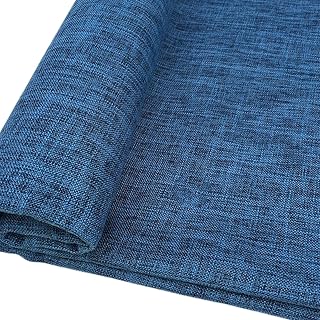
TinaKim Thick Upholstery Fabric in Grey Blue
This thick faux-linen-style fabric is a sensible all-rounder for dining-chair seats, particularly when you want texture without a fussy pattern. Its muted grey-blue tone can make a compact dining area feel calmer, while the 2-yard cut is convenient for a small set of matching seats or a coordinated bench project.
Faux Linen Needlework Fabric in Grey Blue
With a generous 3.3-yard length and wide 57-inch format, this faux linen offers useful flexibility for multiple chairs or a seat-and-back treatment. It is a practical choice for DIY upholstery where consistent color and a soft woven appearance matter more than formal patterning.
TinaKim Upholstery Fabric in Navy Blue
This navy linen-type cloth brings more visual weight than the lighter blue-gray options, making it effective for grounding pale wood or white dining furniture. The 1-yard cut is best suited to a single chair, a small repair, or a test project rather than a full dining set.
TinaKim Velvet Upholstery Cloth in Light Green
Light-green velvet adds softness and a touch of character to otherwise simple dining chairs. It works especially well when the room needs a small color accent, although velvet’s nap means you should cut every panel in the same direction and plan for more visible marks than with plain woven cloth.
Faux Leather Vinyl Upholstery Fabric in Cocoa
For busy homes, this 1.3mm waterproof vinyl is one of the most maintenance-friendly options in the group. The cocoa color and vintage texture can suit wood dining chairs beautifully, while the wipe-clean surface is useful around children, pets, or frequent entertaining; take care to avoid overly tight corners when stapling.
Frequently Asked Questions
What is the best overall fabric for dining-chair upholstery?
A tightly woven faux linen is often the most balanced choice because it offers a tailored appearance, moderate durability, and easier handling than bulky or slippery materials. It also suits small rooms because the texture adds interest without a large print.
Is velvet practical for dining chairs?
Yes, provided you are comfortable with more careful maintenance. Velvet creates a rich finish and can be durable enough for dining use, but it shows nap changes and pressure marks, so regular brushing and consistent cutting direction are important.
Is vinyl better than fabric for a dining nook?
Vinyl is often better when spills and quick cleanup are the main concerns. Fabric usually feels warmer and more forgiving visually, while vinyl provides a crisp, wipeable surface that can be especially valuable in a compact, heavily used eating area.
How much fabric do I need for dining chairs?
For a standard removable seat, roughly three-quarters to one yard per chair is a common planning range, but dimensions vary widely. Measure the seat, add enough material to wrap underneath, and buy extra when working with stripes, directional velvet, or a pattern that must be centered.
Final Thoughts
For a versatile refresh, TinaKim’s thick grey-blue upholstery fabric is the strongest starting point, while the cocoa faux leather is the practical pick for easy cleanup. Choose the light-green velvet when comfort and color matter most, and always test a small section before committing to an entire dining set.