Key takeaways
- Durability: Choose a tightly woven fabric with enough body to resist abrasion, especially for chairs used daily. Polyester blends and heavier linen-look materials are often more forgiving than loosely woven cloth.
- Width and coverage: A 57-inch-wide fabric is versatile for seat cushions and chair backs. Measure each panel, then add several inches on every side for wrapping, pattern alignment, and mistakes.
- Texture: Faux linen brings relaxed, contemporary character, while jacquard and damask create a more decorative look. In a small dining area, subtle texture can add depth without requiring bold patterns.
- Cleaning: Review the seller’s care guidance before cutting. Removable covers are easier to maintain, but no upholstery fabric should be assumed machine-washable unless the listing specifically says so.
- Installation: Medium-weight fabric is generally easier for beginners to fold and staple neatly. Very thick cloth can create bulky corners, while thin fabric may reveal the old cushion or frame beneath.
What's inside
Reupholstering dining chairs looks simple until you compare fabric weight, width, texture, and cleanability. A material that feels lovely in a sample may stretch at the seat edge, fray during cutting, or show every spill once it is fitted to a busy dining area. Small-space homes need an especially practical choice: the fabric should refresh the room without creating visual clutter or demanding constant upkeep.
This guide compares upholstery fabrics suited to dining-chair seats and backs, with attention to coverage, durability, sewing ease, and finish. Whether you are updating two compact apartment chairs or coordinating a full dining set, these options offer different balances of texture, color, thickness, and value.
As an Amazon Associate we earn from qualifying purchases.



How to Choose an Upholstery Fabric For Dining Chairs (2026)
- Durability: Choose a tightly woven fabric with enough body to resist abrasion, especially for chairs used daily. Polyester blends and heavier linen-look materials are often more forgiving than loosely woven cloth.
- Width and coverage: A 57-inch-wide fabric is versatile for seat cushions and chair backs. Measure each panel, then add several inches on every side for wrapping, pattern alignment, and mistakes.
- Texture: Faux linen brings relaxed, contemporary character, while jacquard and damask create a more decorative look. In a small dining area, subtle texture can add depth without requiring bold patterns.
- Cleaning: Review the seller’s care guidance before cutting. Removable covers are easier to maintain, but no upholstery fabric should be assumed machine-washable unless the listing specifically says so.
- Installation: Medium-weight fabric is generally easier for beginners to fold and staple neatly. Very thick cloth can create bulky corners, while thin fabric may reveal the old cushion or frame beneath.
The Best Upholstery Fabric For Dining Chairs (2026)s Reviewed
TinaKim Thick Upholstery Fabric
TinaKim’s thick faux-linen-style material is a practical choice for a coordinated dining-chair refresh. Its grey-blue tone is understated enough for a compact room, while the two-yard cut gives you useful room for multiple seats, matching chair backs, or pattern-free layout adjustments. The added thickness should also help it feel substantial once stapled over firm foam.
Faux Linen Needlework Fabric
This 3.3-yard grey-blue faux linen is the strongest coverage option in the group for a larger chair project. The generous length suits several dining chairs or a mix of seats and backs, and its casual linen appearance works well in modern farmhouse, coastal, and pared-back interiors. Plan your cuts carefully because the fabric is marketed for broad DIY use rather than specifically engineered upholstery.
LaSilk Premium Upholstery Fabric
LaSilk offers a more focused one-yard option in a 57-inch width, making it useful when you are repairing a single chair, creating a set of seat pads, or testing a navy accent before committing to a larger purchase. The thicken faux-linen construction gives the fabric visual substance, while navy blue can anchor pale wood or neutral dining furniture without overwhelming a small space.
11OZ Polyester Blend Upholstery Fabric
This khaki polyester blend is a sensible workhorse for everyday dining chairs. Its neutral color hides minor marks better than very light upholstery, and the 57-inch width simplifies planning around standard seat cushions. It is a particularly good fit for rental-friendly updates or homes where dining chairs see frequent family use, though a fabric sample is worth checking before ordering a large quantity.
Heavy Linen Fabric
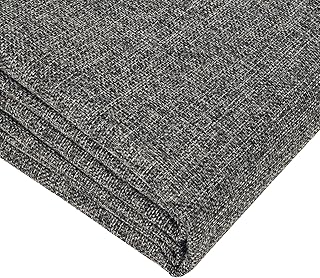
The dark grey heavy linen fabric stands out for its substantial 1.2mm thickness and plain, tailored appearance. It can give simple chairs a crisp architectural finish, especially in a minimalist dining nook. Because heavier linen may be less forgiving around tight corners, beginners should use sharp scissors, make relief cuts gradually, and avoid pulling the fabric too tightly during stapling.
Frequently Asked Questions
How much fabric do I need for a dining chair?
For a typical removable seat, one-half to three-quarters of a yard may be enough, depending on cushion size and the direction of the grain. Chairs with upholstered backs, piping, or patterned fabric require more. Measure the seat and back separately, then add several inches on each edge for securing the material underneath.
What fabric weight is best for dining-chair upholstery?
A medium-to-heavy upholstery fabric is usually the most manageable choice. It should be dense enough for repeated use but flexible enough to fold around corners without producing thick, uneven pleats. Polyester blends and faux-linen upholstery fabrics often provide that balance.
Is faux linen suitable for dining chairs?
Yes, faux linen can be an attractive and practical option when it has a tight weave and enough weight for upholstery. It offers the relaxed appearance of linen with generally easier handling and often better resistance to wrinkling. Check the specific product’s care and durability information before using it on high-traffic chairs.
Should I wash upholstery fabric before reupholstering?
Do not automatically prewash it. Some upholstery fabrics can shrink, distort, or lose their finish. Instead, follow the manufacturer’s instructions and test a small hidden section if cleaning is recommended. Vacuuming and spot-testing after installation are safer starting points for most upholstery materials.
Final Thoughts
For broad coverage and a relaxed finish, the Faux Linen Needlework Fabric is a strong project pick. TinaKim’s thick grey-blue fabric is appealing for a balanced refresh, while the 11OZ Polyester Blend is the practical everyday choice in a forgiving khaki neutral. Whichever you select, accurate measuring and careful corner work will matter as much as the fabric itself.