Key takeaways
- Use fresh, cool drinking water after cleaning, and do not leave water sitting in the reservoir for long periods.
- Wipe the lid and exterior regularly; dust and kitchen grease can enter when the machine is opened repeatedly.
- Never use abrasive pads, metal tools, or sharp objects to chip away scale.
- Leave the lid open and the reservoir drained while the machine is stored, allowing the interior to dry completely.
What's inside
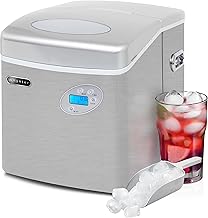
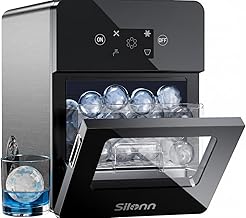
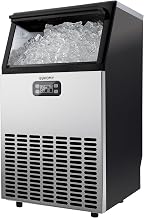
A countertop ice maker is a compact convenience, but its small water reservoir, narrow channels, and damp interior can collect mineral scale, stale water residue, and odors faster than a full-size refrigerator ice system. Regular cleaning helps protect ice quality, keeps the machine running efficiently, and makes a crowded kitchen counter easier to manage.
This guide explains how to clean a countertop ice maker safely, how often to descale it, and what to look for in a cleaning product. You’ll also find practical buying guidance for nickel-safe tablets, compact cleaning tools, and routines that fit neatly into a small-space kitchen without creating extra clutter.
As an Amazon Associate we earn from qualifying purchases.


Our Recommended Picks
For most countertop machines, a nickel-safe ice-maker cleaning tablet is the simplest option. Products such as Ice Machine Cleaner Maker and Descaler offer a 24-tablet supply compatible with many major brands, while ACTIVE Ice Machine Cleaner Maker Descaler is a useful one-year-style bulk option for households that clean frequently. If you want to reduce reordering, the 36-pack Ice Machine Cleaner Descaler Tablets and the Ice Machine Cleaner Tablets, 36 Pack are practical choices for portable and nugget-style machines. The 36-pack Ice Machine Cleaner Tablets Descaler is another option when odor control and limescale removal are priorities. For a busy household or shared office, the 48-count Ice Machine Cleaner Maker Descaler provides the largest supply among these picks.
Before You Clean: Check the Manual
Start by confirming your ice maker’s cleaning instructions. Manufacturers vary in how much water to use, whether a dedicated “clean” cycle is available, and whether the basket, scoop, drain plug, or removable parts can be washed separately. Unplug the machine before wiping or handling internal components, and allow recently made ice to melt or be discarded.
Do not assume that a tablet is suitable simply because it says “ice machine cleaner.” Look for language such as nickel safe, and check the product directions against your machine’s materials and warranty guidance. Avoid mixing cleaning products, bleach, vinegar, or dish soap in the reservoir unless the manufacturer specifically permits it.
How to Clean a Countertop Ice Maker
- Empty the machine. Remove all ice, drain the remaining water, and take out the basket and scoop.
- Wash removable parts. Clean the basket and scoop with warm water and mild dish soap. Rinse thoroughly so no soap film remains.
- Wipe the interior. Use a soft microfiber cloth to clean the water reservoir, lid, ice chute, and accessible surfaces. A small, soft bottle brush can reach corners without scratching plastic.
- Prepare the cleaner. Dissolve the recommended amount of nickel-safe tablet or cleaner in the quantity of water specified on the label. More cleaner is not better; excessive concentration can leave residue.
- Run the cleaning cycle. If your unit has one, select its cleaning mode. Otherwise, follow the manual’s procedure for circulating cleaning solution. Never operate the machine unattended if the instructions do not call for it.
- Drain and rinse repeatedly. Empty the solution, refill with clean water, and run the rinse process as directed. Continue until there is no cleaner smell or taste.
- Make and discard a batch. Produce at least one batch of ice with fresh water and throw it away. This final step helps remove any remaining residue from the ice-making path.
How Often Should You Descale?
A useful baseline is cleaning every two to three weeks when the machine is used daily, or about once a month with lighter use. Clean sooner if you notice cloudy ice, an unusual taste, slower production, visible white scale, or a musty smell. Hard-water homes may need more frequent descaling; filtered water can reduce mineral buildup but does not eliminate the need for cleaning.
Keep a simple recurring reminder on your phone or household calendar. In a small kitchen, this is more reliable than storing a bulky cleaning checklist or allowing the task to become an occasional deep-cleaning project.
Choosing the Right Cleaner and Storage Gear
Tablets are often the most space-efficient choice because they store in a small, sealed container and provide consistent portions. A 24-count product works well for occasional maintenance, while 36- and 48-count supplies make sense for frequent use or multiple machines. Compare the directions, not just the tablet count: the number of cleanings depends on the recommended dose per cycle.
For organization, keep tablets in their original labeled container inside a dry cabinet, away from food, children, and heat. Store a dedicated microfiber cloth and soft brush in a small lidded bin nearby. This “cleaning kit” approach prevents loose accessories from taking over a drawer while keeping everything ready for the next cycle.
Tips
- Use fresh, cool drinking water after cleaning, and do not leave water sitting in the reservoir for long periods.
- Wipe the lid and exterior regularly; dust and kitchen grease can enter when the machine is opened repeatedly.
- Never use abrasive pads, metal tools, or sharp objects to chip away scale.
- Leave the lid open and the reservoir drained while the machine is stored, allowing the interior to dry completely.
Frequently Asked Questions
Can I use vinegar instead of an ice-maker cleaner?
Only if your manufacturer’s instructions allow it. Vinegar may help with some mineral deposits, but it is not universally approved for every machine, seal, or internal finish. A purpose-made, nickel-safe cleaner is usually the more predictable choice.
How do I know when all the cleaner is rinsed out?
Follow the product and machine instructions for the required rinse cycles. The water should be clear and free of a chemical smell. When in doubt, run an additional cycle with fresh water and discard the first batch of ice.
Why is my ice maker still making cloudy ice after cleaning?
Cloudiness can result from hard water, trapped air, a dirty water filter, or an internal component that still needs attention. Check the filter and water quality first. If the problem persists, consult the manufacturer rather than disassembling sealed parts.
Should I clean a new countertop ice maker?
Yes. Before its first use, wash removable parts, wipe the interior, and follow the manufacturer’s initial rinse or cleaning instructions. Discard the first batch of ice, even if the machine appears clean.
Conclusion
The best way to clean a countertop ice maker is to combine gentle interior wiping, a correctly dosed nickel-safe descaler, thorough rinsing, and a consistent maintenance schedule. Choose a compact tablet supply that matches your usage, store it with a small dedicated cleaning kit, and keep the reservoir dry between uses. That routine takes little space and helps your machine produce fresher, better-tasting ice for longer.