Key takeaways
- Hongtamoya five-basket organizer: the retailer reference describes an over-door hanging unit. Check hook dimensions, door thickness and the gap above the door; this is not evidence of a hinge-pin mount.
- Six-tier wooden bookshelf: the reference describes wall mounting. Verify the fixing instructions and overall dimensions rather than attaching it to a moving door without approval.
- Kelueo and the 13.8-inch metal cabinet: these are described as wall cabinets. A quoted wall-mount capacity does not establish that your door can carry them. Plan the specified wall support and clearance for their upward-opening fronts.
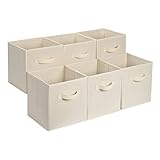
- Sinnsally and the three-piece storage boxes: these references describe adhesive attachment. Confirm approved surfaces, preparation, cure time, removal procedure and weight limit in that product’s instructions.
What's inside
Behind-door storage can use hinges, over-door hooks, adhesive pads, or screws fixed to a wall. Those mounting methods are not interchangeable. A wall cabinet pictured behind a door is not automatically a hinge-mounted cabinet, and its wall-mount load rating cannot be transferred to a door.
The retailer references below include several mounting types. Their numbered cards and displayed ratings are not a tested ranking, and this guide does not claim months of hands-on use. Check the current listing and installation manual for the exact version before buying.
As an Amazon Associate we earn from qualifying purchases at no extra cost to you. Product prices and availability are accurate as of the date shown and are subject to change.


🛒 Best Price Today on Amazon
Prime members get fast, free shipping on everything above, plus member-only deals. New members get a 30-day free trial — cancel anytime.
Hinge-Mounted Door Organizer Clearance: What to Check
Start with the door and hardware, then choose the cabinet. For a documented hinge-mounted example, Cabidor Classic’s installation requirements specify a minimum 3.5-inch clearance, at least two hinges with removable pins, and mounting on the side where the hinges are visible. These requirements describe that product, not every behind-door organizer.
- Identify the mounting surface. Compare the product’s installation diagram with your actual hinge side, door trim and adjacent wall. Use the diagram’s measurement points rather than assuming the quoted clearance means any visible gap.
- Check the complete door swing. Consider the cabinet depth, contents and any opening cabinet door. A unit that fits with the room door closed may collide with trim, furniture or a wall when opened.
- Confirm hinge and door compatibility. Removable pins are required for Cabidor’s hinge arrangement. Its separately sold adapter supports other mounting positions; do not improvise that conversion.
- Match the installed load. Use the cabinet’s current limit and required fixing method, including any per-shelf limit. Do not apply an adhesive basket’s rating to different paint, tile or humidity conditions.
Which Mounting Type Matches the Listed Products?
- Hongtamoya five-basket organizer: the retailer reference describes an over-door hanging unit. Check hook dimensions, door thickness and the gap above the door; this is not evidence of a hinge-pin mount.
- Six-tier wooden bookshelf: the reference describes wall mounting. Verify the fixing instructions and overall dimensions rather than attaching it to a moving door without approval.
- Kelueo and the 13.8-inch metal cabinet: these are described as wall cabinets. A quoted wall-mount capacity does not establish that your door can carry them. Plan the specified wall support and clearance for their upward-opening fronts.
- Sinnsally and the three-piece storage boxes: these references describe adhesive attachment. Confirm approved surfaces, preparation, cure time, removal procedure and weight limit in that product’s instructions.
Choosing Behind-Door Storage for a Small Bathroom
List the items you need to reach daily and measure the tallest bottle before comparing shelf spacing. Keep the room door’s handle, latch and normal opening route usable. For a bathroom, also check that the material and mounting adhesive are approved for the expected moisture; a metal finish alone does not establish corrosion resistance.
If the door or hinge arrangement is incompatible, compare an approved wall-mounted unit or an over-door organizer instead. Choose the mounting method that fits the space rather than modifying a cabinet intended for another surface.
Frequently Asked Questions
Will an organizer damage the door?
There is no universal damage-free promise. Hooks may rub paint, adhesive may affect a finish, and drilled fixings need an appropriate substrate. Follow both the organizer’s instructions and any restrictions from the door manufacturer or landlord.
How much weight can an adhesive basket hold?
Use the rating for the exact product, surface and installation method. This guide does not assign a generic five-to-ten-pound limit or recommend one cleaning solvent for every painted or coated surface.
Can I install a cabinet on an outward-opening door?
Only if the manufacturer’s mounting arrangement fits that door and the full swing stays clear. Opening direction alone does not establish compatibility.
Final Choice
For a true hinge-mounted solution, verify hinge-pin compatibility and the manufacturer’s clearance diagram first. Select hanging, adhesive or wall-mounted storage when its own installation requirements better match your room. The listed products represent those different approaches; they are not interchangeable hinge-mounted alternatives.