Key takeaways
- Under 800 sq ft: a 3.96 Gal / 15L unit handles a studio or one-bedroom comfortably
- 800–1,500 sq ft: step up to a 16L tank like the Lacidoll for genuine multi-room reach
- 1,500–2,000 sq ft open plan: the AreShark’s larger output and extension tube earn their keep
- Above 2,000 sq ft or multi-floor: ducted becomes the sane choice
What's inside
Dry indoor air is the quiet culprit behind cracked window trim, gapping hardwood floorboards, split furniture joints, and that morning sore throat you blame on everything else. In a small apartment or a compact house, the problem gets amplified: less air volume means humidity swings faster and harder, and the wood furniture you invested in absorbs the consequences. A whole house humidifier fixes the root cause instead of chasing it room by room with a cluttered lineup of tabletop units you have to refill twice a day.
This guide breaks down the two real categories of whole-house humidification, how to size a unit to your actual square footage rather than the number on the box, where to put it when floor space is precious, and what maintenance genuinely costs you in time and money. By the end you’ll know whether you need a bypass unit wired into your ductwork, a steam humidifier for a larger footprint, or a high-capacity portable that covers an open floor plan without a contractor’s invoice.
As an Amazon Associate we earn from qualifying purchases.


Ducted vs. Freestanding: Pick Your Category First
Ducted humidifiers mount to your HVAC system and distribute moisture through existing vents. They’re invisible, hands-off, and controlled by a humidistat. The tradeoff is installation: you need forced-air ductwork and usually a technician. The AprilAire 800 Steam Humidifier sits at the top of this category, covering homes up to 10,300 square feet and generating its own steam rather than relying on furnace heat, which means it works even when your heating cycle is short. Freestanding units like the AreShark 4.2 Gal or the Lacidoll 16L plug into a standard outlet, require zero modification, and can move with you. For renters and anyone in a building without central air, freestanding is the only realistic path.
Size to Your Layout, Not the Marketing Number
Coverage ratings assume open air and standard ceiling heights. A 2,000 sq ft rating in a hallway-heavy floor plan behaves more like 1,200. Measure the connected space you actually want humidified, then add margin:
- Under 800 sq ft: a 3.96 Gal / 15L unit handles a studio or one-bedroom comfortably
- 800–1,500 sq ft: step up to a 16L tank like the Lacidoll for genuine multi-room reach
- 1,500–2,000 sq ft open plan: the AreShark’s larger output and extension tube earn their keep
- Above 2,000 sq ft or multi-floor: ducted becomes the sane choice
Tank Size Determines How Often You Think About It
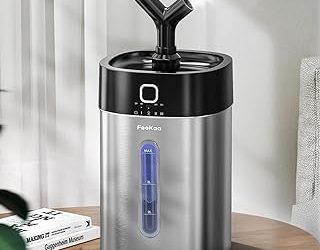
This is the metric small-space dwellers underestimate. A 1-gallon tank in a dry winter apartment empties overnight, which means daily hauling to the sink and a permanent chore on your list. A 4-gallon unit with a 60-hour runtime, like the AreShark, turns refilling into a twice-weekly task. Top-fill designs matter just as much — you can pour water in directly with a pitcher instead of unseating the tank, flipping it over the faucet, and mopping the counter afterward. In a compact bathroom or galley kitchen, that difference is the whole experience.
Placement in Tight Quarters
Never set a humidifier directly on hardwood, a rug, or an upholstered surface. Mist settles, and settled mist stains and swells wood. Use a hard, waterproof surface roughly two feet off the floor — a plastic tray on a low shelf works — and keep it 12 inches clear of walls so output disperses instead of soaking drywall. Models with an extension tube solve this elegantly: park the unit under a console table or in a closet corner and route the mist upward and outward, which reclaims your visible floor space. Keep it well away from bookshelves, artwork, and any instrument.
Budget for Maintenance, Not Just Purchase
Every humidifier is a mineral trap. Ducted AprilAire models rely on a water panel that needs annual replacement, and the AprilAire 4792 Maintenance Kit with the Model 10 water panel covers the 500 series in one package. Freestanding units need weekly rinsing and monthly descaling with white vinegar. Skip this and you’ll aerosolize mineral dust across every surface in the room. Distilled water reduces buildup significantly if your tap runs hard.
Tips
- Target 40–50% relative humidity in winter. Below 30% wood shrinks; above 60% you invite mold and condensation on cold glass.
- Buy a $12 standalone hygrometer and place it across the room from the unit. Built-in sensors read the humid microclimate immediately around the humidifier and consistently overstate the room.
- Empty the tank completely before storing for the season. Trapped water breeds biofilm that no amount of rinsing will fully clear.
- If you notice condensation pooling on windowsills, dial output down by 5%. That water is coming out of your air and going into your trim.
Frequently Asked Questions
Do I need a humidifier or a dehumidifier?
It depends on your climate and season. Cold-climate winters and forced-air heating strip moisture out, calling for a humidifier. Basements, coastal homes, and humid summers run the opposite problem, where a unit like the hOmeLabs 4,500 Sq Ft Dehumidifier is the correct tool. Many homes genuinely need both, used in different months.
Cool mist or warm mist?
Cool mist ultrasonic units use less electricity and are safer around kids and pets. Warm mist raises the water temperature, which suppresses bacterial growth and adds a slight warming effect. Units offering both, like the AreShark, let you switch based on season.
Will a humidifier damage my furniture?
Properly humidified air protects wood furniture — it’s dryness that causes joint separation and finish cracking. Damage happens from direct mist contact or from over-humidifying past 60%. Correct placement and a hygrometer prevent both.
How loud are these at night?
Ultrasonic cool mist units run near 30 decibels, comparable to a soft fan. Evaporative and steam units are louder because they use a fan or heating element. For bedrooms, look for a dedicated sleep or night mode that dims displays and caps fan speed.
Conclusion
The best whole house humidifier is the one matched to your building and your patience for upkeep: a ducted AprilAire 800 if you own a larger home with forced air and want to forget it exists, or a high-capacity top-fill unit like the AreShark or Lacidoll if you’re working within an apartment, a rental, or a compact floor plan where every square foot counts. Get the sizing right, keep a hygrometer honest, and clean it on schedule — that’s the whole formula for air that’s comfortable to breathe and kind to your furniture.