Key takeaways
- Water-based vs. oil-based: Water-based dries in about two hours, smells mild, and stays colorless, which matters enormously if you’re working in the same room where you sleep. Oil-based cures harder and warmer in tone, but needs real ventilation and full days between coats.
- Ambering: Oil-based polyurethane adds a golden cast that deepens over time. On walnut or oak that reads as richness; on maple, birch, or painted surfaces in a small room, it can dull the brightness you were counting on.
- Sheen level: Gloss reflects light and makes a compact dining area feel more open, but it also broadcasts every fingerprint and crumb. Satin hides daily wear and photographs better in tight quarters.
- Application method: Brush-on formulas need space to work around all four sides of the table. Wipe-on versions let you finish a surface pushed against a wall, one section at a time, with a rag and no drips.
- Coverage vs. project size: A quart handles a typical four-seat table with three coats and margin for error. Half pints are for chair rails, stools, and touch-ups, not full tabletops.
What's inside
In a small apartment, the dining table rarely gets to be just a dining table. It’s the desk, the mail sorter, the laptop stand, the spot where someone sets a sweating glass down without a coaster. That kind of workload wrecks a finish fast, and the damage shows more in a compact space because the table is often the largest visible surface in the room. Choosing the wrong topcoat means you’re re-sanding a piece you can’t easily move out of the way, in a room where dust and fumes have nowhere to go.
This guide looks at polyurethane through that specific lens: finishes that cure hard enough to survive daily multi-use, dry fast enough that you’re not eating takeout on the floor for a week, and stay clear enough that a light wood tabletop keeps bouncing light around the room. Below are six options worth considering, along with the tradeoffs between water-based and oil-based formulas that actually matter when your workshop is a folding tarp in the living room.
As an Amazon Associate we earn from qualifying purchases.


How to Choose a Polyurethane For Dining Table (2026)
- Water-based vs. oil-based: Water-based dries in about two hours, smells mild, and stays colorless, which matters enormously if you’re working in the same room where you sleep. Oil-based cures harder and warmer in tone, but needs real ventilation and full days between coats.
- Ambering: Oil-based polyurethane adds a golden cast that deepens over time. On walnut or oak that reads as richness; on maple, birch, or painted surfaces in a small room, it can dull the brightness you were counting on.
- Sheen level: Gloss reflects light and makes a compact dining area feel more open, but it also broadcasts every fingerprint and crumb. Satin hides daily wear and photographs better in tight quarters.
- Application method: Brush-on formulas need space to work around all four sides of the table. Wipe-on versions let you finish a surface pushed against a wall, one section at a time, with a rag and no drips.
- Coverage vs. project size: A quart handles a typical four-seat table with three coats and margin for error. Half pints are for chair rails, stools, and touch-ups, not full tabletops.
The Best Polyurethane For Dining Table (2026)s Reviewed
Varathane Water-Based Ultimate Gloss Polyurethane
This is the pick when you cannot afford to yellow a light tabletop and cannot afford fumes lingering in a studio. The gloss finish genuinely reflects light in a way that helps a small dining nook feel less boxed in, and the two-hour recoat window means you can lay down three coats in a single day.
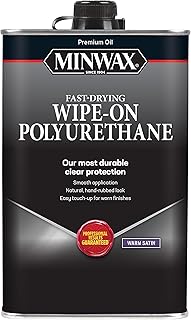
Minwax Fast Drying Polyurethane, Warm Satin
The satin sheen is the practical choice for a table doing double duty as a workspace, because it forgives smudges and light scuffing that gloss would put on display. The warm undertone flatters mid to dark woods, though it will shift a pale surface a few shades amber.
Varathane Triple Thick Polyurethane Gloss
One coat replaces roughly three, which is a meaningful advantage when your finishing area is also your kitchen. The self-leveling formula smooths out brush marks on its own, cutting the sanding-between-coats routine that makes small-space refinishing so tedious.
Minwax Fast Drying Polyurethane, Clear Semi-Gloss
Semi-gloss splits the difference sensibly: enough reflectivity to keep a tight room feeling bright, enough restraint to avoid a plasticky shine. This is the reliable oil-based workhorse for anyone who wants durability without committing to full gloss.
Minwax Polycrylic Protective Finish, Satin
Polycrylic is the low-odor, low-drama option, ideal for finishing a table indoors when opening four windows isn’t possible. It stays clear over whites and pale woods, though it’s better suited to tables that see moderate rather than punishing use.
Frequently Asked Questions
How many coats does a dining table need?
Three coats minimum on the tabletop, since that’s the surface absorbing plates, laptops, and elbows. Legs and aprons can get by with two.
Will polyurethane hold up against hot dishes?
Cured polyurethane handles warm plates fine but can soften or cloud under a hot pan straight off the burner. Trivets are still non-negotiable.
Can I apply polyurethane indoors in a small apartment?
Yes, with water-based or Polycrylic formulas, which have far lower VOC content and modest odor. Oil-based products really do need cross-ventilation and ideally a balcony or garage.
How long before I can actually eat on it?
Light use after 24 to 48 hours; full cure takes closer to a week for water-based and up to 30 days for oil-based. Avoid tablecloths and placemats during that window, since trapped moisture can print into a soft finish.
Final Thoughts
For most compact dining areas, the Varathane Water-Based Ultimate Gloss is the smartest all-around choice: clear, fast, and low-odor enough to apply where you live. If you want maximum durability with minimum coats, Varathane Triple Thick gets you there in a single pass, while Minwax Fast Drying in Warm Satin remains the dependable pick for darker wood that can carry a little amber.