Key takeaways
- Zoned support beats uniform firmness: Look for 5-zone or 7-zone construction, where the coil gauge or foam density stiffens under the lumbar region and softens at the shoulders. Uniform slabs force your spine to compromise.
- Match firmness to sleep position: Side sleepers generally need medium to allow hip and shoulder sink, back sleepers do best on medium-firm, and stomach sleepers need firm to stop the pelvis from dropping into extension.
- Profile height is a spatial decision: A 16-inch mattress on a 14-inch frame puts the sleep surface near hip height, which is great for easy transfers but demands deep-pocket sheets and eats visual space in a compact room. A 12-inch build keeps sightlines lower.
- Hybrid over all-foam for heavier sleepers: Pocketed coils resist the long-term compression that leads to a sagging trough in the middle third of the bed, which is where back pain typically originates.
- Trial windows are your real safety net: A 365-night trial gives your body the six to eight weeks it genuinely needs to adapt. Anything under 100 nights is not enough time to distinguish adjustment discomfort from a genuine mismatch.
What's inside
A king bed is the single largest object most people will ever wrestle into a bedroom, and when your lower back is already unhappy, the stakes climb fast. Twelve to sixteen inches of foam and steel arriving compressed in a box means you get one realistic shot at placement, and returning it involves a 100-pound object that no longer fits its packaging. Meanwhile the wrong support profile will quietly undo every stretch, every physio session, every careful morning routine you’ve built.
This guide approaches the king-size question the way anyone working with finite square footage has to: height matters as much as feel, because a 16-inch profile changes how you climb in, how your sheets fit, and how much vertical room is left for anything else. Below you’ll find six mattresses built specifically around lumbar support and back pain relief, plus a framework for matching firmness to your sleeping position and body weight before you commit.
As an Amazon Associate we earn from qualifying purchases.


How to Choose a King Mattress For Bad Back (2026)
- Zoned support beats uniform firmness: Look for 5-zone or 7-zone construction, where the coil gauge or foam density stiffens under the lumbar region and softens at the shoulders. Uniform slabs force your spine to compromise.
- Match firmness to sleep position: Side sleepers generally need medium to allow hip and shoulder sink, back sleepers do best on medium-firm, and stomach sleepers need firm to stop the pelvis from dropping into extension.
- Profile height is a spatial decision: A 16-inch mattress on a 14-inch frame puts the sleep surface near hip height, which is great for easy transfers but demands deep-pocket sheets and eats visual space in a compact room. A 12-inch build keeps sightlines lower.
- Hybrid over all-foam for heavier sleepers: Pocketed coils resist the long-term compression that leads to a sagging trough in the middle third of the bed, which is where back pain typically originates.
- Trial windows are your real safety net: A 365-night trial gives your body the six to eight weeks it genuinely needs to adapt. Anything under 100 nights is not enough time to distinguish adjustment discomfort from a genuine mismatch.
The Best King Mattress For Bad Back (2026)s Reviewed
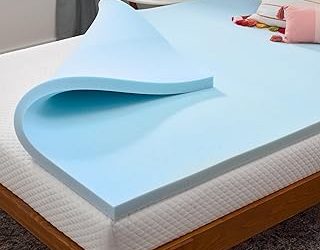
Sweetnight CoolNest 14 Inch Cooling Memory Foam
The 5-zone ergonomic layout does the heavy lifting here, contouring closely at the shoulders while holding the lumbar curve steady, and the medium feel suits side and combination sleepers who wake up with hip and lower-back tightness. Its all-foam build means near-total motion transfer damping, though heavier sleepers may prefer a coil-based option for longer-term support.
BedStory 14 Inch Hybrid for Back Pain & Heavy People
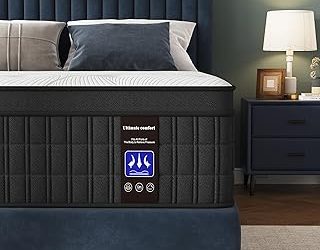
Built around no-sag pocket springs with a reinforced lumbar zone, this is the pick when combined sleeper weight is a real factor and edge collapse has been a problem before. The 10-year warranty signals genuine confidence in the coil unit rather than the foam comfort layers.
BedStory 14 Inch Medium Firm Hybrid
This sits in the sweet spot for back sleepers: firm enough through the midsection to keep the pelvis neutral, with enough give up top to avoid pressure points at the shoulder blades. Made in the USA with CertiPUR-US certified foams and a full 365-night trial, it’s the low-risk default recommendation for most bad-back buyers.
BedStory Firm 14 Inch Hybrid
Choose the firm version if you sleep on your stomach or have been advised to keep your spine as flat as possible, since it resists the pelvic tilt that soft mattresses encourage. It shares the same zoned lumbar construction and 365-night trial as its medium-firm sibling, so you can step down in firmness if it reads too rigid.
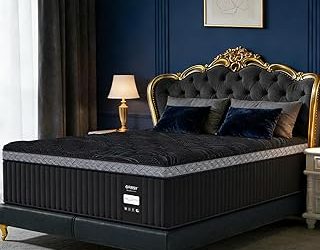
16 Inch Luxury Hybrid with 7-Zone Support
The tallest option here, with seven-zone coil segmentation and strong motion isolation that makes it the standout for couples on different schedules. Budget for deep-pocket sheets and confirm your frame height, because at 16 inches this sits noticeably higher than a standard build.
Frequently Asked Questions
Is firm always better for a bad back?
No. Research consistently points to medium-firm as optimal for most people with chronic low-back pain, because a too-firm surface leaves gaps under the lumbar curve and concentrates pressure at the shoulders and hips.
How long before my back adjusts to a new mattress?
Give it three to four weeks minimum. Your muscles have adapted to the old surface, and some initial stiffness is normal as they recalibrate, which is exactly why long trial periods matter.
Do I need a new foundation for a 14 or 16 inch mattress?
You need slats no more than three inches apart, or a solid platform. Wider gaps allow the coil unit to flex unevenly, creating the exact soft spots that trigger back pain.
Will a hybrid sleep hotter than memory foam?
Generally cooler, yes. The open coil layer allows air to move through the core, whereas dense all-foam beds trap heat unless they include gel infusions or perforated channels.
Final Thoughts
For most people with back pain, the BedStory 14 Inch Medium Firm Hybrid is the safest starting point, pairing zoned lumbar support with a year-long trial that removes the guesswork. Stomach sleepers should step up to the BedStory Firm, while couples with room to spare will get the most from the 16 Inch Luxury Hybrid and its seven-zone support and motion isolation.