Key takeaways
- Measure the outer frame, not the mattress: A queen mattress is 60 inches wide, but upholstered and Victorian-style frames often add two to five inches per side plus headboard depth. Chalk the full outline on your floor before you buy — including door and drawer swing paths.
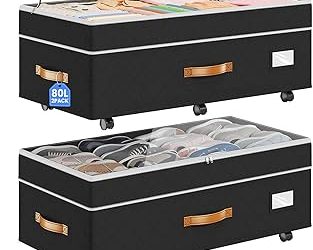
- Decide on under-bed clearance first: Anything under 7 inches fits almost nothing. Frames in the 11 to 14 inch range swallow rolling bins and off-season luggage, which in a small room is the difference between owning a dresser and not needing one.
- Slat spacing beats slat count: Look for wood or steel slats spaced 3 inches apart or less. Wider gaps let foam mattresses sag between supports and void most mattress warranties, and no amount of extra slats fixes bad spacing.
- Choose your headboard by what it does: Upholstered panels double as a padded backrest for reading in bed, which lets you skip the armchair entirely. Slatted and open-frame headboards read visually lighter and won’t make a narrow room feel walled in.
- Check the joinery for noise: Metal-on-metal contact points squeak as they loosen. Frames with center support legs, nylon washers, or wood-to-wood connections stay silent longer — worth prioritizing if your bed shares a wall with a neighbor.
What's inside
In a bedroom under 120 square feet, the bed is not just furniture — it is the floor plan. Most shoppers discover this the hard way: they order a frame based on a styled photo, then find the headboard eats four inches of walking room, the footboard blocks the closet swing, or the whole assembly sits so low that the under-bed void becomes dead space instead of storage. Add a box spring to the equation and you have lost another eight inches of vertical breathing room in a room that had none to spare.
Platform beds with integrated headboards solve several of these problems at once, but only if you choose for your actual dimensions rather than the catalog fantasy. This guide breaks down six frames that hold up in tight quarters, with attention to the details that matter when every inch is spoken for: total footprint versus mattress footprint, clearance underneath, headboard depth, and whether the thing stays quiet when you shift at 3 a.m.
As an Amazon Associate we earn from qualifying purchases.


How to Choose a Platform Bed With Headboard (2026)
- Measure the outer frame, not the mattress: A queen mattress is 60 inches wide, but upholstered and Victorian-style frames often add two to five inches per side plus headboard depth. Chalk the full outline on your floor before you buy — including door and drawer swing paths.
- Decide on under-bed clearance first: Anything under 7 inches fits almost nothing. Frames in the 11 to 14 inch range swallow rolling bins and off-season luggage, which in a small room is the difference between owning a dresser and not needing one.
- Slat spacing beats slat count: Look for wood or steel slats spaced 3 inches apart or less. Wider gaps let foam mattresses sag between supports and void most mattress warranties, and no amount of extra slats fixes bad spacing.
- Choose your headboard by what it does: Upholstered panels double as a padded backrest for reading in bed, which lets you skip the armchair entirely. Slatted and open-frame headboards read visually lighter and won’t make a narrow room feel walled in.
- Check the joinery for noise: Metal-on-metal contact points squeak as they loosen. Frames with center support legs, nylon washers, or wood-to-wood connections stay silent longer — worth prioritizing if your bed shares a wall with a neighbor.
The Best Platform Bed With Headboard (2026)s Reviewed
Allewie Queen Upholstered Platform Bed
The fully upholstered body and padded headboard make this the strongest pick for studio apartments where the bed doubles as seating — you can lean back against it without a wall of pillows. Dark grey fabric hides the scuffs that low frames inevitably collect in high-traffic rooms.
ZINUS Vivek Deluxe Wood Platform Bed
The slatted wood headboard is the small-space advantage here: it lets light and sightlines through, so the bed doesn’t visually block the wall behind it. Assembly is genuinely straightforward, and the wood-on-wood construction stays quieter over time than comparable metal frames.
LIFEMENT Signature Wood Platform Bed
This one is built around usable under-bed clearance, which makes it a practical choice if you are trying to eliminate a dresser or store seasonal gear. The cherry finish leans traditional and pairs well with existing wood furniture rather than demanding an all-new palette.
Merax Queen Bamboo Platform Bed
The tall headboard and mid-century legs draw the eye upward, a useful trick in rooms with low ceilings or a single small window. Bamboo construction keeps the frame light enough to reposition solo, which matters when you are still testing layouts.
zunatu Queen Metal Bed with Victorian Headboard
Open ironwork at both ends gives you decorative presence without visual bulk, and the steel slat platform handles heavier mattresses without flexing. Note that the footboard adds length — verify your wall-to-wall measurement before committing.
Frequently Asked Questions
Do I really not need a box spring?
Correct. All six frames use slat systems that provide the flat, ventilated support foam, hybrid, and latex mattresses require. Adding a box spring raises the sleep surface awkwardly high and provides no structural benefit.
Which headboard style works best in a narrow room?
Open or slatted designs. Solid upholstered panels are more comfortable to lean against but read as a visual mass, which can make a room under 10 feet wide feel tighter.
How much under-bed storage should I expect?
A 14-inch frame typically gives 11 to 12 inches of usable clearance — enough for standard rolling underbed bins. Measure your containers first; the difference between 9 and 11 inches determines which bins actually fit.
Can I assemble these alone?
Mostly yes. Wood and bamboo frames with headboards are easier with a second set of hands for the initial headboard attachment; metal frames like the SHOANED go together solo in under an hour.
Final Thoughts
For studio dwellers who need the bed to function as a sofa, the Allewie upholstered frame earns its footprint. If keeping the room feeling open matters more, the ZINUS Vivek’s slatted headboard is the smarter visual choice, and the LIFEMENT Signature is the pick when under-bed storage has to replace a dresser entirely.