Key takeaways
- Thickness vs. ceiling height: Two inches lifts comfort without changing how your bed sits in the room. Three inches or more is noticeably plusher but raises your sleep surface, which matters if you’re working with a lofted frame, a bunk, or fitted sheets that already stretch to their limit.
- Pocket depth: Storage platforms and bed-in-a-box mattresses run thick. If your topper has a skirt, check that it’s rated for 18 to 20 inches of depth, otherwise you’ll fight the corners every time you strip the bed.
- Foam or fiber fill: Memory foam contours and relieves pressure points, which is what you want if you sleep on your side or wake up with a sore lower back. Down-alternative fill sits on top and feels cloud-like, better suited to firm mattresses that just need softening.
- Heat management: Small rooms hold warmth, and a foam topper traps more of it than a fiber one. Look for gel infusion, open-cell structure, or a breathable cover if your space runs hot or you don’t control the thermostat.
- Cover removability: A zip-off, machine-washable cover is non-negotiable when your bed is also where you eat, work, and nap. It’s the difference between a topper lasting years and one you toss after a spill.
What's inside
In a studio apartment or a dorm room, the bed is rarely just a bed. It’s the sofa, the desk chair, the reading nook, and the only horizontal surface big enough to fold laundry on. That means the mattress underneath it gets more hours of duty than it was ever built for, and when it starts to feel like a plank or a hammock, replacing it isn’t realistic. A new mattress means freight delivery, a stairwell negotiation, and figuring out what to do with the old one. A topper solves the same comfort problem for a fraction of the cost, and it arrives compressed in a box you can carry with one arm.
This guide looks at the topper brands worth your money in 2026, with an eye toward small-footprint living: models that fit deep pockets on storage beds, ones that pack down when you need the floor space, and covers that survive a shared laundry room. I’ve focused on fill type, thickness, cooling behavior, and how each one holds up when a bed does double duty all day.
As an Amazon Associate we earn from qualifying purchases.



How to Choose a/an Mattress Topper Brands (2026)
- Thickness vs. ceiling height: Two inches lifts comfort without changing how your bed sits in the room. Three inches or more is noticeably plusher but raises your sleep surface, which matters if you’re working with a lofted frame, a bunk, or fitted sheets that already stretch to their limit.
- Pocket depth: Storage platforms and bed-in-a-box mattresses run thick. If your topper has a skirt, check that it’s rated for 18 to 20 inches of depth, otherwise you’ll fight the corners every time you strip the bed.
- Foam or fiber fill: Memory foam contours and relieves pressure points, which is what you want if you sleep on your side or wake up with a sore lower back. Down-alternative fill sits on top and feels cloud-like, better suited to firm mattresses that just need softening.
- Heat management: Small rooms hold warmth, and a foam topper traps more of it than a fiber one. Look for gel infusion, open-cell structure, or a breathable cover if your space runs hot or you don’t control the thermostat.
- Cover removability: A zip-off, machine-washable cover is non-negotiable when your bed is also where you eat, work, and nap. It’s the difference between a topper lasting years and one you toss after a spill.
The Best Mattress Topper Brands (2026)s Reviewed
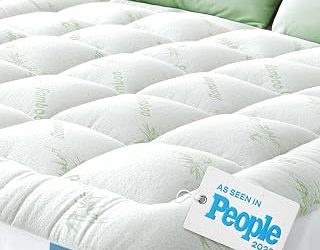
Niagara Sleep Solution Ultra Soft & Cooling Topper (Full)
The rayon-from-bamboo surface is the standout here, staying cool to the touch in rooms without great airflow, and the 20-inch deep pocket handles thick mattresses and storage bases without popping loose. A genuinely good pick for hot sleepers who want pillow-top softness rather than the sink-in feel of foam.
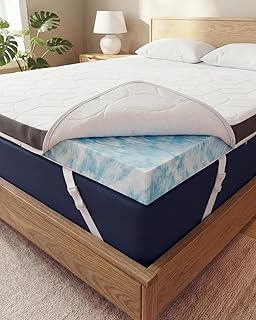
Linenspa 2-Inch Gel Memory Foam Topper (Queen)
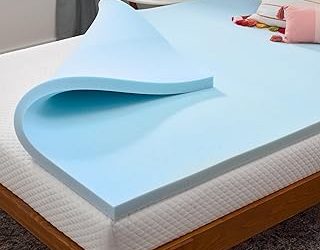
Two inches of CertiPUR-certified gel foam is the sweet spot for changing how a bed feels without changing its height, and Linenspa has been the reliable budget benchmark for years. Expect a plush, pressure-relieving surface that softens a too-firm mattress in a single night.
Sleepyhead Twin XL Dorm Topper
Built specifically for the Twin XL dorm bed and its famously unforgiving mattress, with cooling gel foam and a removable washable cover that earns its keep in a shared laundry situation. The 2-inch profile keeps clearance intact if your bed is lofted over a desk.
ELEMUSE Extra Thick Pillowtop Pad (Queen)
Overfilled down-alternative fill delivers a hotel-bed softness that foam can’t replicate, and the elastic deep pocket keeps it anchored through nightly use. Best for firm mattresses and for anyone who finds memory foam too warm or too enveloping.
3-Inch Memory Foam Topper with Cooling Cover (King)
The full three inches gives real contouring relief for chronic back and hip pain, and the strap system plus washable cooling cover keep it in place and clean. Just account for the added loft when you’re buying sheets.
Frequently Asked Questions
Can a topper fix a sagging mattress?
It can mask mild softening and buy you a couple more years, but it won’t bridge a genuine dip. Foam follows the contour beneath it, so a visible valley will still be there. A plywood board or bunkie board under the mattress addresses the structural side first.
How long does a foam topper need to expand?
Give it 24 to 48 hours unrolled in the room, ideally somewhere warm. Cold apartments slow the process considerably, and any packaging odor fades within the same window with a window cracked.
Will a topper make me hotter at night?
Standard memory foam will. Gel-infused foam and fiber-filled pillowtops breathe far better, and a bamboo-derived cover helps further. In a small room with limited ventilation, prioritize the cover material over the fill.
Can I store a topper when I need the space?
Fiber-filled pads compress into a vacuum bag easily. Foam can be rolled for short stretches, but avoid folding it or leaving it compressed for months, since that can set permanent creases.
Final Thoughts
For most small spaces, the Linenspa 2-inch gel foam topper is the smartest starting point: low profile, low cost, and a clear upgrade over a tired mattress. Hot sleepers should reach for the Niagara bamboo-derived pillowtop instead, and anyone in a Twin XL dorm bed will find the Sleepyhead purpose-built for exactly that frame.