Key takeaways
- Measure your sheet pocket first: A 3-inch pad plus a 10-inch mattress needs at least a 14-inch deep pocket, and most standard sheets stop at 12. Check what you own before you buy, or budget for new sheets — the pad popping loose at 3 a.m. is the most common complaint by a wide margin.
- Match thickness to the problem: Two inches softens a firm mattress. Three inches is what you want for hip and shoulder pressure or to mask a developing dip. Beyond that you’re adding instability, not comfort, and you’ll notice it every time you sit on the edge to put on shoes.
- Prioritize airflow in small rooms: Ventilated or wave-cut foam and gel infusion matter more when your bedroom has limited cross-breeze. Solid foam blocks in a compact space will hold body heat noticeably longer.
- Look for CertiPUR-US or Oeko-Tex: These certifications limit VOCs and flame retardants. In a room where you sleep, work, and store clothes, low off-gassing is a practical concern, not a marketing bullet.
- Confirm the non-slip base: Beds in tight layouts often sit against walls or on platform frames without headboards. Without grip on the underside, the pad migrates toward the open side and bunches within a week.
What's inside
In a studio apartment or a bedroom that doubles as an office, the mattress is often the largest single object you own — and replacing it means wrestling a queen-size slab up a stairwell you barely fit a laundry basket through. That’s the calculation most people face when their bed starts sagging or sleeping hot: spend a four-figure sum and coordinate a delivery window, or find a way to fix the sleep surface they already have. A memory foam pad is the second option, and in tight quarters it’s usually the smarter one. It arrives compressed in a box roughly the size of a duffel bag, unrolls in place, and stores rolled in a closet corner when a guest bed needs converting back to a couch.
This guide looks at six memory foam and pillow-top pads through a small-space lens: how much vertical height they add before your fitted sheets give up, whether they trap heat in a room with one window and no ceiling fan, and how well they handle the reality of a bed pushed against a wall where you can only tuck three corners. I’ve weighted expansion time, off-gassing, and edge stability heavily, since a pad that needs 72 hours in a ventilated room is a genuine problem when the room in question is the only room you have.
As an Amazon Associate we earn from qualifying purchases.


How to Choose a Memory Foam Mattress Pads (2026)
- Measure your sheet pocket first: A 3-inch pad plus a 10-inch mattress needs at least a 14-inch deep pocket, and most standard sheets stop at 12. Check what you own before you buy, or budget for new sheets — the pad popping loose at 3 a.m. is the most common complaint by a wide margin.
- Match thickness to the problem: Two inches softens a firm mattress. Three inches is what you want for hip and shoulder pressure or to mask a developing dip. Beyond that you’re adding instability, not comfort, and you’ll notice it every time you sit on the edge to put on shoes.
- Prioritize airflow in small rooms: Ventilated or wave-cut foam and gel infusion matter more when your bedroom has limited cross-breeze. Solid foam blocks in a compact space will hold body heat noticeably longer.
- Look for CertiPUR-US or Oeko-Tex: These certifications limit VOCs and flame retardants. In a room where you sleep, work, and store clothes, low off-gassing is a practical concern, not a marketing bullet.
- Confirm the non-slip base: Beds in tight layouts often sit against walls or on platform frames without headboards. Without grip on the underside, the pad migrates toward the open side and bunches within a week.
The Best Memory Foam Mattress Pads (2026)s Reviewed
EGO 3 Inch Gel Memory Foam Topper (Queen)
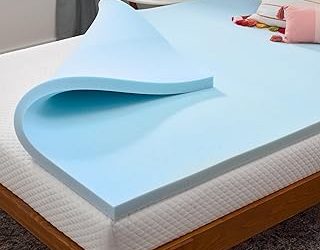
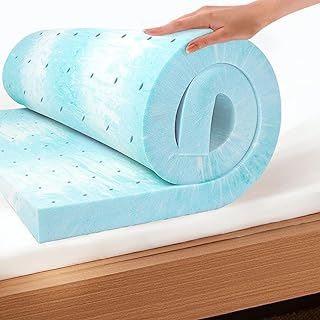
The ventilated channel design does real work here, moving air through the slab rather than relying on gel alone, which makes it a solid choice for a warm bedroom with minimal ventilation. At a full 3 inches of contouring foam, it’s the pick if your existing mattress has firmed up past comfortable and you want genuine pressure relief at the hips.
ViscoSoft Copper Pillow Top (Twin XL)
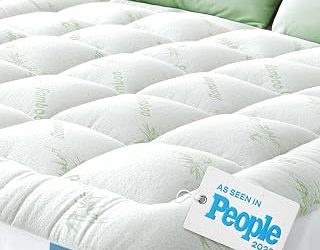
This is the outlier in the group — quilted fiberfill rather than a foam slab, so it sleeps cooler and feels plush instead of enveloping. The 18-inch deep pocket is the standout spec: it fits over thick mattresses without the corner-strap workarounds most pads require, and Twin XL makes it a natural fit for lofted or bunk setups in dorms and studios.
DOWNCOOL 3 Inch Topper (Full)
Thick and supportive with a breathable mesh side panel, this one targets body aches directly and does it without the dense, sinking feel of cheaper memory foam. The Full size is a sweet spot for compact bedrooms where a queen simply doesn’t leave walking room.
JSELF 3 Inch Dual-Layer Gel Topper (Queen)
The dual-layer construction pairs a firmer support base with a wave-textured comfort layer, which keeps the edges more stable than single-density foam of the same height. Bekaert fabric cover, non-slip backing, and both CertiPUR-US and Oeko-Tex certification make it the most thoroughly specified pad on this list.
Best Price Mattress 3 Inch Ventilated Topper (Queen)
A straightforward ventilated gel-infused slab that hits the core requirements without extras, and it expands relatively quickly — useful when you can’t leave a foam pad airing out in your only bedroom for three days. Marketed toward dorms, and that framing is accurate: it’s the budget-conscious fix for a thin, unforgiving mattress.
Frequently Asked Questions
How long does a memory foam pad need to expand?
Most reach usable shape within 24 hours and full loft by 48 to 72. Unroll it in the morning, crack a window, and it’s sleepable that night. Cold rooms slow the process — a warmer room speeds it considerably.
Will a 3-inch pad fit my sheets?
Only if your fitted sheet has a 14-inch or deeper pocket. Add your mattress height to the pad height and compare. If you’re close to the limit, a 2-inch pad like the Linenspa avoids the problem entirely.
Can I store the pad when I need the space?
Yes, though not back in its original vacuum-sealed size. Roll it loosely and secure with straps — never fold along a crease or compress it long-term, as both cause permanent damage to the foam cell structure.
Does a pad actually fix a sagging mattress?
It masks minor dips and evens out surface firmness. It won’t correct a broken support core or failing box spring, and a 3-inch pad over a genuinely collapsed mattress will just follow the contour of the sag.
Final Thoughts
For most compact bedrooms, the JSELF dual-layer topper is the best-balanced choice — stable edges, thorough certification, and a non-slip base that holds position on a bed pushed against a wall. The EGO 3-inch is the stronger pick if heat is your primary complaint, thanks to its ventilated channels, while the Linenspa 2-inch remains the sensible answer when your sheets can’t accommodate anything taller.