Key takeaways
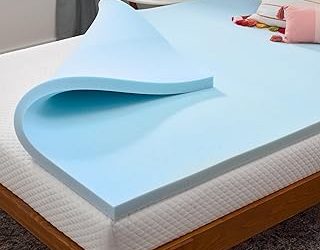
- Memory foam: Best for contouring and pressure distribution. A 2- to 3-inch layer usually changes the feel noticeably without overwhelming the mattress. The ViscoSoft 3 Inch Memory Foam Mattress Topper uses a removable bamboo-rayon cover and is a sensible middle ground for sleepers who want cushioning with a more controlled profile.
- Gel memory foam: Often chosen by people who like close body contouring but worry about heat. The SHOUREN 5 Inch Memory Foam Mattress Topper is a much deeper option, so check your mattress height, fitted-sheet depth, and ability to climb onto the bed before choosing it.
- Fiber or pillow-top filling: Gives a softer, more cloud-like surface and usually allows easier movement than dense foam. It may suit a firm mattress and side sleepers, though it can compress or shift over time. The Niagara Sleep Solution Ultra Soft & Cooling Topper and BEDLORE Viscose Bamboo Topper both emphasize breathable, plush construction.
- Extra-thick hybrid-style padding: Products such as the ELEMUSE Extra Thick Mattress Pad and WhatsBedding 5 Inch Memory Foam Topper can create substantial softness, but thickness alone does not equal support. Look for secure attachment and a filling or foam design that will not bunch beneath your lower back.
What's inside
Back pain can turn a familiar bedroom into a nightly negotiation: too firm in one spot, too soft in another, and never quite supportive enough. A mattress topper may improve comfort by changing the surface feel and easing pressure, but the best choice depends on your sleeping position, current mattress, body weight, and how much room you have for deeper bedding.
This guide explains how to choose a topper for back comfort without treating marketing claims as medical advice. You’ll learn which materials and thicknesses are most useful, how to avoid creating an unstable sleep surface, and which features matter when you are organizing a compact bedroom. The recommended options below range from breathable pillow-top pads to substantial memory foam designs.
As an Amazon Associate we earn from qualifying purchases.


Start with the mattress underneath
A topper can fine-tune a mattress, but it cannot reliably correct severe sagging, broken springs, or a noticeable hammock-shaped dip. Lie across the mattress and check whether your hips sink much lower than your shoulders, or whether you roll toward one side. If so, replacing the mattress may be more effective than adding another layer.
For a mattress that is basically sound but feels too firm, a topper can add cushioning around the shoulders and hips. If the mattress already feels soft or lacks edge support, avoid very plush, extra-thick styles; they may increase sinking and make getting in and out of bed harder. In a small room, also measure the available space around the bed before adding height. A taller sleep surface can make a narrow walkway feel even tighter.
Choose the right material and thickness
- Memory foam: Best for contouring and pressure distribution. A 2- to 3-inch layer usually changes the feel noticeably without overwhelming the mattress. The ViscoSoft 3 Inch Memory Foam Mattress Topper uses a removable bamboo-rayon cover and is a sensible middle ground for sleepers who want cushioning with a more controlled profile.
- Gel memory foam: Often chosen by people who like close body contouring but worry about heat. The SHOUREN 5 Inch Memory Foam Mattress Topper is a much deeper option, so check your mattress height, fitted-sheet depth, and ability to climb onto the bed before choosing it.
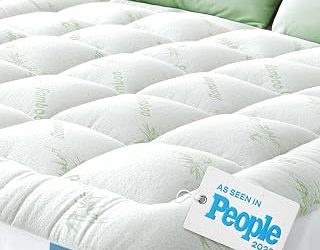
- Fiber or pillow-top filling: Gives a softer, more cloud-like surface and usually allows easier movement than dense foam. It may suit a firm mattress and side sleepers, though it can compress or shift over time. The Niagara Sleep Solution Ultra Soft & Cooling Topper and BEDLORE Viscose Bamboo Topper both emphasize breathable, plush construction.
- Extra-thick hybrid-style padding: Products such as the ELEMUSE Extra Thick Mattress Pad and WhatsBedding 5 Inch Memory Foam Topper can create substantial softness, but thickness alone does not equal support. Look for secure attachment and a filling or foam design that will not bunch beneath your lower back.
Match the topper to your sleep position
Side sleepers generally need enough cushioning to reduce pressure at the shoulder and hip while keeping the spine reasonably level. A moderately thick foam topper or a plush pad can work well, particularly on a firm mattress. Back sleepers usually need a balance: enough give for the hips, but not so much that the pelvis sinks below the rib cage. A medium-thickness, supportive foam layer is often easier to manage than an exceptionally soft pillow top.
Stomach sleepers typically benefit from a thinner, firmer-feeling surface because excessive cushioning can let the midsection sink. Combination sleepers should prioritize responsiveness and stable attachment so turning does not drag the topper across the mattress. If two people share the bed, consider the heavier sleeper’s needs as well as movement transfer and the amount of usable sleeping space.
Check fit, ventilation, and maintenance
Measure the mattress width, length, and depth before buying. A topper that is too small can leave uncomfortable edges; one that is too large may wrinkle. Deep-pocket fitted designs, such as the ELEMUSE or BEDLORE options, can be convenient when the topper and mattress are used together, but confirm the stated pocket range against your actual bed height. Straps, elastic corners, and stretch skirts are especially useful on adjustable or frequently used beds.
For a compact bedroom, choose a topper that can be lifted, rotated, or temporarily stored without assistance. Removable, washable covers are valuable because many foam cores cannot be machine-washed. Ventilate a newly unpacked foam topper in a well-aired room and follow the manufacturer’s expansion instructions. If you sleep hot, prioritize breathable covers, airflow-friendly construction, and washable bedding rather than relying on the word “cooling” alone.
Think about firmness, support, and return policies
There is no universal topper firmness for back pain. Your current mattress, sleeping position, and personal comfort threshold matter more than a label such as “orthopedic” or “therapeutic.” Give the topper several nights, provided the retailer’s trial and return rules allow it, and assess whether you wake with less stiffness rather than judging it after a single nap.
Read the warranty, care instructions, and return conditions before opening the package. Keep the original packaging when practical, especially for bulky foam products. Persistent, worsening, or severe back pain deserves advice from a qualified healthcare professional; numbness, weakness, or pain following an injury should not be managed by bedding changes alone.
Tips
- Use a ruler to measure the mattress and topper together before buying fitted sheets.
- Rotate a fiber topper periodically if the care label permits, helping distribute compression.
- Place a breathable mattress protector over the topper to guard against spills without adding excessive stiffness.
- Keep a clear route beside the bed; a five-inch topper can noticeably raise the sitting and standing height.
Frequently Asked Questions
What thickness is best for back pain?
For many sleepers, 2 to 3 inches is a practical starting point because it adds pressure relief without completely changing the mattress. Thicker toppers may suit a very firm mattress, but they can increase sinking, warmth, and bed height.
Is memory foam or a pillow-top topper better?
Memory foam offers more contouring and consistent pressure distribution, while fiber pillow tops feel softer, lighter, and easier to move on. Choose foam for closer support or a pillow top for surface plushness and simpler handling.
Can a topper fix a sagging mattress?
It may disguise a mild comfort issue temporarily, but it cannot restore damaged support. If you can see or feel a deep, permanent dip, start by evaluating the mattress, foundation, and warranty.
How do I stop a mattress topper from sliding?
Use a topper with elasticized sides, corner straps, or a fitted skirt, and place it on a clean, dry mattress. A properly sized protector and correctly fitted sheet can add another layer of stability.
Conclusion
The best mattress topper for back pain is the one that corrects your bed’s specific comfort problem without creating a new one. Begin with the mattress condition, then match thickness and material to your sleep position, heat preferences, room layout, and lifting needs. A supportive fit, manageable height, and realistic return policy are often more valuable than the thickest or softest specification.