Key takeaways
- Measure the mattress before shopping, including its depth and any existing pad or protector.
- Use a fitted sheet with enough depth to cover the mattress, topper, and protector without pulling at the corners.
- Rotate a foam topper periodically if the manufacturer permits it; avoid folding dense foam for long-term storage unless instructed.
- Place a non-slip layer beneath a shifting topper, but confirm that it will not damage the mattress cover.
What's inside
A mattress topper can make a cramped bedroom, guest room, or aging bed feel more supportive without the cost and storage demands of a new mattress. For someone with a bad back, however, “softer” is not automatically better. The right topper should cushion pressure points while keeping your hips and shoulders from sinking out of alignment.
This guide explains how to choose the best mattress topper for back discomfort in 2026, with practical advice on thickness, firmness, cooling, fit, and movement. It also highlights useful options for different sleepers, including hot sleepers, college-dorm residents, and anyone working with limited space.
As an Amazon Associate we earn from qualifying purchases.


Start With Your Mattress and Sleep Position
A topper changes the surface feel of your existing mattress, so first identify what is going wrong. If the mattress is sagging deeply, lumpy, or visibly damaged, a topper may provide only temporary improvement; replacing the mattress is usually the more reliable fix. A topper is most useful when the underlying bed is structurally sound but too firm, too thin, or lacking pressure relief.
Side sleepers generally benefit from cushioning around the shoulders and hips, while back sleepers need enough support to prevent the pelvis from dropping too far. Stomach sleepers usually need a flatter, more resilient surface to reduce excessive arching. If two people share the bed, choose a material that limits motion transfer and consider whether each sleeper needs a different firmness level.
Choose the Right Thickness
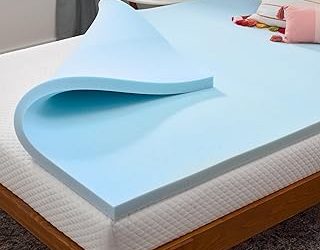
Thickness affects both comfort and how much the topper can disguise the feel of the mattress beneath it. A 2-inch model can gently soften a firm bed and is easier to move, fold, or store in a small apartment. The Sleepyhead Twin XL 2-Inch Cooling Gel Memory Foam Topper is particularly practical for a dorm or compact guest setup, where portability matters.
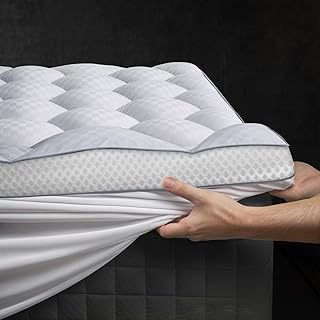
A 3-inch topper is the most versatile choice for many sleepers. It provides noticeable pressure relief without adding an unwieldy amount of height. The 3 Inch Ultra-Fluffy Memory Foam Mattress Topper uses a plush, supportive design for sleepers who want a softer pillow-top feel. The JSELF 3 Inch Gel Memory Foam Topper is another balanced option, pairing dual-layer foam with a wave-textured surface intended to distribute pressure.
Extra-thick toppers can dramatically change a bed’s feel, but they also make climbing into bed harder and may require deeper fitted sheets. The SHOUREN 5 Inch Memory Foam Mattress Topper is best considered when substantial contouring is a priority and the existing mattress is unusually firm. Measure the complete mattress-and-topper height before buying sheets or planning under-bed storage.
Memory Foam or Pillow-Top Fill?
Memory foam contours closely to the body, which can reduce pressure around the hips and shoulders and help prevent motion from traveling across the bed. Gel-infused or ventilated designs may feel less heat-retentive than traditional dense foam, although no foam topper stays cool for every sleeper. Look for CertiPUR-US certification when available, and allow a new foam topper time to expand and air out according to the manufacturer’s instructions.
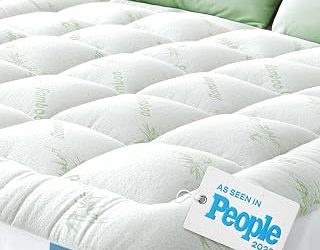
Pillow-top and down-alternative toppers feel loftier and more cloudlike. They can be a good choice for a firm mattress or for people who dislike the close-hugging sensation of foam. The Extra Thick 1000GSM Down Alternative Pillow Top Mattress Pad emphasizes plush cushioning, while the BEDLORE Viscose Bamboo Thick Pillow Top Mattress Pad is designed with a breathable-feeling cover and stretchable pockets. These styles may compress or develop uneven areas sooner than foam, so regular fluffing and rotation can help.
Check Cooling, Cover, and Fit Features
Heat management depends on more than the word “cooling” in a product title. Breathable covers, open-cell or ventilated foam, moisture-managing fabrics, and an unblocked mattress perimeter can all help. The JSELF topper includes a Bekaert fabric cover and a wave-textured foam surface, while the Ultra-Fluffy model uses breathable air-mesh sides. These features can improve airflow, but bedding layers and room temperature still have a major effect.
Fit is especially important in a small home because a topper that shifts creates daily friction: remaking the bed, correcting corners, and finding space for extra linens. Measure your mattress width, length, and depth, then compare those measurements with the topper’s pocket range. Deep-pocket designs such as the BEDLORE model can accommodate thicker mattresses, while straps on the SHOUREN topper add stability. A removable, washable cover is a worthwhile convenience for dorms, guest rooms, and households with pets.
Balance Comfort With Back Support
Use alignment as your main test rather than judging the topper only by its first-night softness. When lying on your back, your lower back should feel supported rather than forced into a pronounced arch. On your side, your spine should appear relatively straight from neck to hips. If your hips sink noticeably lower than your shoulders, the topper may be too soft or too thick for your body.
Give a new topper several nights before making a final judgment, provided it is within the retailer’s return window and fully expanded. Persistent or worsening back pain, numbness, weakness, or pain that travels down a limb should be discussed with a qualified healthcare professional rather than managed by bedding alone.
Tips
- Measure the mattress before shopping, including its depth and any existing pad or protector.
- Use a fitted sheet with enough depth to cover the mattress, topper, and protector without pulling at the corners.
- Rotate a foam topper periodically if the manufacturer permits it; avoid folding dense foam for long-term storage unless instructed.
- Place a non-slip layer beneath a shifting topper, but confirm that it will not damage the mattress cover.
Frequently Asked Questions
Is a firm or soft topper better for a bad back?
Neither is universally best. A medium-firm topper often offers a useful compromise, but your sleeping position, body weight, and current mattress matter more than the label. The goal is pressure relief without allowing the pelvis to sink excessively.
How thick should a mattress topper be for back pain?
Three inches is a practical starting point for noticeable cushioning and support. Choose 2 inches for a smaller adjustment or easier storage, and consider 4 to 5 inches only when you specifically need substantial contouring and can accommodate the extra height.
Will a mattress topper fix a sagging mattress?
It may temporarily smooth minor discomfort, but it cannot restore a mattress whose support core has collapsed. A deep dip can continue to pull your body out of alignment beneath the topper.
How long does a memory foam topper take to expand?
Many expand within several hours, but dense or thick models can need 24 to 72 hours. Keep the room ventilated, do not force the topper flat, and follow the product’s care instructions before sleeping on it.
Conclusion
The best mattress topper for a bad back in 2026 is the one that matches your mattress problem, sleeping position, and available space. For most people, a 3-inch memory foam model offers the best balance of cushioning and support. Pillow-top designs suit sleepers who prefer loft, while 2-inch or Twin XL options are easier to manage in dorms and compact rooms. Measure carefully, prioritize stable fit and breathable construction, and treat a topper as a comfort upgrade—not a substitute for professional care or a structurally worn-out mattress.