Key takeaways
- Find accent colors that suit your gray sofa: read its undertone, test shades in your room's own light, and layer color on cushions, rugs and walls.
A gray sofa almost never looks wrong by itself, yet rooms built around one often feel flat or slightly off. The problem is usually the accents: pieces that repeat the same gray until the room turns cold and dull, or a bold cushion that clashes because it fights the sofa’s hidden undertone. Choosing accent colors is really about reading the gray you already own, then deciding how much contrast the room can comfortably carry.
This guide walks through that reading step by step: how to spot a warm or cool undertone, how daylight and lamplight shift what you see, which color families sit happily beside each kind of gray, and where those accents do the most work across cushions, throws, rugs, walls, wood and metal. As an Amazon Associate we earn from qualifying purchases
How to Choose
Read Your Sofa’s Undertone First
Every gray leans somewhere. Warm grays carry hints of beige, taupe or brown and are often called greige; cool grays lean toward blue, green or violet. Hold a sheet of plain white paper against the upholstery in daylight and the lean usually shows itself: the fabric will look creamy and soft against the paper, or crisp and slightly blue. Check a cushion against any gray paint or flooring you already have, too. Two grays that lean opposite ways can make each other look dirty, while accents chosen for the wrong undertone are the single most common reason a scheme feels wrong.
Judge Color in Your Room’s Own Light
The same accent can look gentle at noon and harsh after dark, because light changes color as much as pigment does. North-facing rooms receive cool, bluish daylight that deepens cool accents and can turn warm ones muddy; south-facing rooms flood everything with warmth. Evening lamplight adds a yellow cast that softens blues and enriches rust, mustard and wood tones. Before committing to a wall color or a large rug, live with fabric swatches or even colored paper on the sofa for a full day, checking them morning, afternoon and under your usual lamps. The shade that survives all three is the one to build on.
Decide How Much Contrast You Want
Gray is a middle value, so accent choices are largely about contrast. Low-contrast schemes layer nearby tones — charcoal cushions, a silver-gray throw, pale walls — and feel calm, quiet and unified, though they need texture to avoid blandness. High-contrast schemes set near-black or crisp white against a mid-gray sofa, or drop in one saturated color such as navy or mustard, and feel sharper and more deliberate. Neither is better; the question is the mood you want and how busy the room already is. A patterned rug or busy artwork lowers the contrast budget left for everything else.
Place Accents in Layers, Not One Piece
A single colorful cushion on a gray sofa usually looks stranded. Accents read as intentional when the same family appears in at least two or three places at different scales: cushions and a throw on the sofa itself, a rug underfoot that repeats one of those tones, then smaller echoes in artwork, a lamp base or a plant pot. Work in a rough balance — let gray stay dominant, give one accent family the supporting role, and keep any third color to small touches. This layering also makes the scheme easy to adjust seasonally without touching the sofa or the walls.
Accent Color Families That Work With Gray
The families below cover most of the shades that decorate well beside gray, grouped by the temperature they bring to the room. None of them needs to appear as a solid block: a family can live in a patterned cushion, the border of a rug, a painted side table or the frame of a print. Start from the family that matches your sofa’s undertone, borrow a second one only if the room still feels unfinished, and judge every candidate in your own light before letting it spread beyond a cushion or two. Fabric matters here as much as hue: the same color reads softer and quieter in linen or wool than it does in a shiny, satin-like weave.
Cool Accents: Navy, Teal and Slate Blue
Blue-based accents are the natural partners for cool gray sofas, because they share the same underlying temperature. Navy cushions against a pale blue-gray sofa give depth without jarring, while teal adds a greener, richer note that still stays in the family. In warm-gray rooms these colors need care: a warm greige sofa can make pure navy look slightly stark, so choose dustier versions — slate blue, denim or petrol — that carry a little gray of their own. Cool accents suit rooms that already get warm sunlight, since the light balances their chill, and they pair well with chrome, black metal and pale woods.
Warm Accents: Mustard, Terracotta and Rust
Warm accents bring the heat that gray lacks, and they flatter warm gray sofas most directly. Mustard and ochre cushions against a greige sofa read sunny rather than loud, and terracotta or rust in a throw or rug grounds the scheme with an earthy weight that suits leather, rattan and mid-tone wood. On a cool blue-gray sofa, warm accents create deliberate contrast: the pairing can look striking, but keep the warm pieces clearly warm and repeat them at least twice, or they risk looking accidental. Blush pink sits between the camps — a grayed, dusty blush warms a cool sofa gently without the energy of rust.
Soft Accents: Sage, Eucalyptus and Dusty Green
Green-grays and muted greens bridge warm and cool, which makes sage one of the most forgiving accents for any gray sofa. Sage cushions or a eucalyptus-toned throw soften a cool gray without warming it up, and they sit calmly beside warm gray because both share a muted, earthy quality. These shades also connect the sofa to houseplants, so a room with greenery often needs little else. Deeper forest or olive accents add weight for larger rooms and darker sofas. Keep the greens dusty rather than bright: a vivid lime or emerald can overwhelm gray’s quiet character unless used very sparingly.
Neutrals, Wood and Metal Tones
Sometimes the best accent is not a color at all. Cream and warm white cushions lift a dark gray sofa and keep a pale gray one from feeling icy, while black in small doses — a frame, a side table, a lamp — sharpens any gray scheme. Texture does the rest: a chunky knit throw, linen, boucle or worn leather adds the variation a neutral scheme needs. Wood tones act as accents too; warm oak and walnut warm a cool sofa, while pale ash and whitewash keep things airy. With metals, match the undertone: brass and gold warm the room, chrome and nickel cool it.
Which One Fits Your Situation
A Small, Dim Living Room
Start with light, low-contrast accents that borrow brightness: cream or warm white cushions, a pale throw, and one soft family such as dusty blush or sage repeated in a small rug. Avoid navy walls or heavy charcoal pieces, which shrink the space further. Pale wood and brass touches add warmth that the weak daylight cannot supply, and a mirror or glass surface near the sofa bounces what light there is back into the seating area.
A Bright Family Room That Needs Energy
Strong sunlight can wash out timid colors, so this room can carry the saturated families. Try mustard and terracotta cushions with a rust-toned rug on a warm gray sofa, or navy and teal on a cool gray one. Repeat each accent at least twice, keep the walls quiet, and let texture — linen, woven throws — stop the bold colors from feeling flat.
A Calm, Formal Sitting Room
Lean on low contrast and restraint. Layer charcoal, slate blue and silver-gray accents over a mid-gray sofa, then add one metallic note — brushed nickel for cool gray, soft brass for warm gray — in lamps or frames. Keep patterns minimal, favor smooth fabrics, and let a single piece of artwork carry the only strong color in the room.
A Rental Where Walls Cannot Change
When the walls are fixed, accents must do all the work, so concentrate them where they are cheapest to change: cushions, a throw, and a rug large enough to anchor the sofa. Choose one accent family matched to the sofa’s undertone, repeat it three times, and add black or warm wood in small furniture to give the scheme structure the walls cannot provide.
Common Mistakes
- Ignoring the undertone and buying accents that lean the opposite way, so the sofa and its cushions make each other look muddy or dirty.
- Testing colors only under shop lighting or midday sun, then finding the chosen shade turns harsh or dull under evening lamplight at home.
- Adding one bright cushion and nothing else, leaving the accent stranded instead of repeating the family in a throw, rug or artwork.
- Mixing several unrelated accent colors at equal strength, which leaves the room without a dominant mood and makes the gray sofa look like an afterthought.
- Forgetting texture in a neutral scheme, so a room of gray, cream and white reads flat and cold rather than calm and layered.
Frequently Asked Questions
How can I tell whether my gray sofa is warm or cool?
Hold plain white paper or a white bedsheet against the upholstery in daylight. If the fabric looks creamy, beige-tinged or soft, it is a warm gray; if it looks crisp, bluish or slightly violet, it is cool. Comparing the sofa with a known blue-gray and a known greige object makes the lean even clearer. Check away from the window too, since weak light can hide the lean.
What is the safest accent color for any gray sofa?
Muted, grayed colors are the most forgiving: sage green, slate blue, dusty blush and warm cream all carry gray of their own, so they rarely fight either undertone. Navy is nearly as safe on cool grays, and mustard on warm grays. The brighter and purer a color is, the more carefully it needs matching.
Should the rug match the cushions exactly?
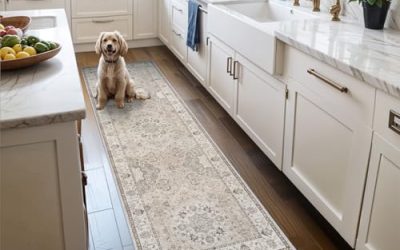
No — exact matching looks staged and is hard to maintain. Instead, let the rug contain one or two of the cushion colors among other tones, or pick a rug in a deeper or paler version of the same family. Shared temperature and roughly shared depth matter more than identical shades across different fabrics and materials. A patterned rug bridges the gap easily, holding several tones at once.
Can I use more than one accent color with a gray sofa?
Yes, and two families often look richer than one. Pair colors that share a temperature and a similar depth — navy with sage, or mustard with terracotta — keep gray dominant, give one family the larger share, and reduce the second to cushions or a single throw. Three strong families at equal strength is where schemes usually break down.
More from Amazon
Programs that pair well with the guide above. Offers and eligibility are set by Amazon and may change.
Collect the home and kitchen items you want in one registry that guests can shop from.
Create a wedding registrySet up recurring deliveries of everyday items on eligible products. Terms and savings are set by Amazon.
Explore Subscribe & SaveFree shipping on eligible items, Prime Video and more. Eligible new members can start with a free trial.
Start a Prime free trialAudiobooks and podcasts to listen to on the go. Eligible new members can start with a free trial.
Try Audible freeAs an Amazon Associate we earn from qualifying purchases.