Key takeaways
- Footprint versus coverage: Match the unit to your room, not to the largest number on the box. A tower rated for 1,800 sq ft in a 150 sq ft bedroom is wasted volume and wasted floor; a slim column or a shelf-sized model often serves better and lets you tuck it beside a dresser instead of in a walkway.
- Top-fill tanks: Bottom-fill designs require lifting, inverting, and carrying a full reservoir. Top-fill lets you pour from a pitcher where the unit stands, which matters enormously when the machine lives in a corner behind a bed frame.
- True HEPA versus water filtration: H13 HEPA media captures fine particulate down to 0.3 microns and needs periodic replacement. Water-based systems trap larger debris and odors without cartridges but do less for fine particles. Decide which problem you’re actually solving.
- Noise at sleeping distance: In a small room, the unit sits close to your head. Look for a genuine sleep mode and check whether the humidifier’s ultrasonic mister clicks or gurgles independently of the fan.
- Maintenance access: Tanks need weekly cleaning to avoid mineral scale and biofilm. If the reservoir has narrow channels or the filter compartment requires disassembly, you will skip it, and skipped maintenance turns a purifier into a dispersal system.
What's inside
In a studio apartment or a compact bedroom, every square foot is negotiated. Running a separate purifier and a separate humidifier means two footprints, two cords, two filters to remember, and two motors humming out of sync. Meanwhile, small rooms concentrate everything: cooking smells linger, pet dander settles into upholstery, and winter heating drops indoor humidity fast enough to crack a nightstand’s veneer. The appeal of a single unit that cleans and hydrates is less about gadget minimalism and more about reclaiming surface area you actually use.
This guide looks at 2-in-1 air cleaner and humidifier combos through a small-space lens: how much floor or shelf they claim, how loud they are at close range, whether you can refill them without dragging the unit to a sink, and how coverage claims hold up in rooms under 400 square feet. Below are six models worth considering, followed by selection criteria, individual assessments, and answers to the questions that tend to surface after purchase rather than before.
As an Amazon Associate we earn from qualifying purchases.


How to Choose a/an Air Cleaner And Humidifier (2026)
- Footprint versus coverage: Match the unit to your room, not to the largest number on the box. A tower rated for 1,800 sq ft in a 150 sq ft bedroom is wasted volume and wasted floor; a slim column or a shelf-sized model often serves better and lets you tuck it beside a dresser instead of in a walkway.
- Top-fill tanks: Bottom-fill designs require lifting, inverting, and carrying a full reservoir. Top-fill lets you pour from a pitcher where the unit stands, which matters enormously when the machine lives in a corner behind a bed frame.
- True HEPA versus water filtration: H13 HEPA media captures fine particulate down to 0.3 microns and needs periodic replacement. Water-based systems trap larger debris and odors without cartridges but do less for fine particles. Decide which problem you’re actually solving.
- Noise at sleeping distance: In a small room, the unit sits close to your head. Look for a genuine sleep mode and check whether the humidifier’s ultrasonic mister clicks or gurgles independently of the fan.
- Maintenance access: Tanks need weekly cleaning to avoid mineral scale and biofilm. If the reservoir has narrow channels or the filter compartment requires disassembly, you will skip it, and skipped maintenance turns a purifier into a dispersal system.
The Best Air Cleaner And Humidifier (2026)s Reviewed
Aozale Water-Based Air Cleaner & Humidifier
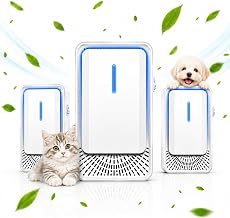
This one trades replaceable filters for a water-washing chamber, which makes it the low-commitment option for renters and anyone tired of buying cartridges. It handles pet odors and smoke competently and doubles as an aroma diffuser and white noise source, though it won’t match HEPA media on fine particulate.
Air Purifier and Humidifier Combo for Bedroom (H13 HEPA)
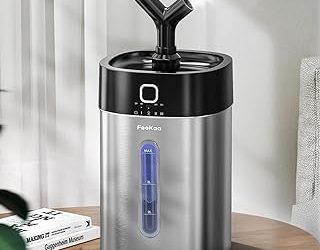
At 300 sq ft coverage with a 400ml top-fill tank, this is calibrated for exactly the rooms most combos oversize for. The compact body fits on a nightstand or low shelf, and the quiet cool mist output suits nurseries and pet rooms where a loud fan would be counterproductive.
Blueair 2-in-1 Pro
The premium choice, and the one to pick if your small space is open-plan rather than genuinely small. HEPASilent filtration is remarkably quiet for its 1,875 sq ft rating, and the InvisibleMist system distributes humidity without the damp patch on the floor that plagues cheaper units.
Sharp KC850U
Sharp’s combo has a reputation for durability and consistent humidity output, with a build quality that reads more appliance than gadget. It occupies more floor than the compact options here, so measure before committing to a corner.
4-in-1 Humidifier and Air Purifier with UV Light
The UV stage adds a layer beyond HEPA and carbon, and 1,035 sq ft coverage handles a small apartment’s main living area on its own. Reasonable value if you want maximum function from a single footprint.
Frequently Asked Questions
Can a combo unit replace separate machines?
For rooms under roughly 400 sq ft, yes. In larger or multi-zone spaces, dedicated units usually outperform a combo because purification and humidification have different optimal airflow patterns.
Will humidity damage the HEPA filter?
Well-designed combos separate the mist outlet from the filter intake. Check that the airflow paths are distinct, and never run a humidifier pointed at a purifier intake.
Should I use distilled water?
With ultrasonic misters, yes. Tap water minerals become white dust that settles on nearby furniture and gradually reduces output.
How often does the tank need cleaning?
Weekly, with a vinegar rinse. Neglected reservoirs grow biofilm that the unit then aerosolizes into the room.
Final Thoughts
For tight bedrooms, the H13 HEPA combo hits the right balance of coverage, top-fill convenience, and nightstand-friendly size. Open-plan small spaces are better served by the Blueair 2-in-1 Pro, which handles serious square footage with minimal noise, while the Aozale water-based unit suits anyone who wants odor control and ambient light without a filter subscription.