Our Top Picks
 Itaar Lift Top Coffee Table Set43.3 x 32 x 19.7 inches43.3 x 21.7 x 19.7 Inches92 PoundsCheck on Amazon
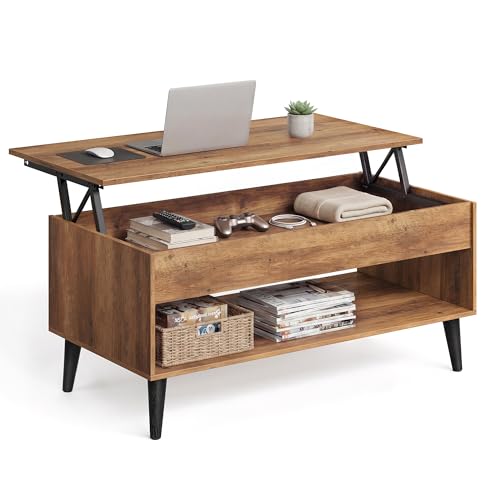 VASAGLE Lift Top Coffee Table with Hidden Storage19.7"D x 39.4"W x 22.8"H19.7 x 39.4 x 22.8 inches38.2 poundsCheck on Amazon
The best-built coffee table for most buyers is a solid hardwood or quality hardwood-veneer table with joinery you can see, a heavy base and a finish the maker explains how to repair; budget shoppers can get respectable results from engineered-wood tables as long as they accept lighter weight and less repairability. “Built” is the keyword that matters here, so this guide focuses on construction, not trends.
What “Well Built” Means for a Coffee Table
A coffee table takes spilled drinks, feet, kids sitting on it and the occasional heavy book stack. Furniture makers and woodworking outlets point to the same short list of signs of sturdy construction.
Itaar Lift Top Coffee Table Set, 43'' Multi-Function Coffee Table with Storage Drawers and Hidden Compartment, Center Table with Ottoman Bench for Living Room, Rustic Brown
Chosen because it specifies Center Table with Ottoman Bench for Living Room and Rustic Brown.
View on Amazon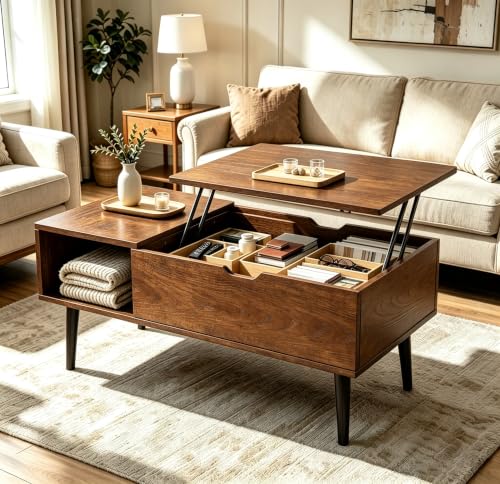
DUMOS Coffee Tables with Storage, Lifting Top for Living Room | Wood,Lift Top, Hidden Compartment, Storage Shelf, Center Table, Home, Living Room, Office, Rust Brown
Chosen because it specifies Lifting Top for Living Room and Wood.
View on AmazonVASAGLE Lift Top Coffee Table with Hidden Storage, Gas Spring | Lift Tabletop Dining Table, Open Storage Shelf, for Living Room, Home Office, Honey Brown, MIRANTA Collection ULCT268KB01S
Chosen because it specifies Gas Spring and Lift Tabletop Dining Table.
View on Amazon
DUMOS Coffee Tables with Storage, Lifting Top for Living Room | Wood,Lift Top, Hidden Compartment, Storage Shelf, Center Table, Home, Living Room, Office, Grey
Chosen because it specifies Lifting Top for Living Room and Wood.
View on Amazon- Joinery: mortise-and-tenon, dovetail or dowel-and-glue joints hold better than staples or screws alone. Makers who use traditional joinery usually say so on the product page.
- Material: solid hardwood (oak, walnut, maple, ash) is dense and can be refinished. Plywood with a hardwood veneer is stable and resists warping. Medium-density fibreboard is acceptable for budget pieces but swells if water gets into the edges.
- Legs and base: thick legs with corner blocks or an apron connecting them resist racking. Thin legs attached by a single bolt can wobble over time.
- Weight: heavier usually means denser materials, although weight alone is not proof of quality.
- Finish: oil, wax, lacquer and polyurethane all behave differently; the maker should state which one is used.
- Warranty: a longer maker warranty signals confidence, and the terms should be read for what they exclude.
At a Glance
| Construction type | Best for | Stated strengths | Limits |
|---|---|---|---|
| Solid hardwood with traditional joinery | Long-term use, premium tier | Refinishable, durable, ages well | Heavy, higher cost, reacts to humidity |
| Hardwood veneer on plywood | Mid-range, stable in changing climates | Resists warping, real-wood look | Deep scratches harder to sand out |
| Solid wood with steel base | Modern rooms, mid to premium tier | Strong frame, lighter visual weight | Metal-to-wood joints should be checked for tightness |
| Engineered wood flat-pack | Budget tier, rentals | Light, affordable, easy to move | Edges can swell or chip, shorter lifespan |
| Stone or ceramic top on metal frame | Statement rooms | Hard surface, distinct look | Heavy top, needs a stable base, some stone stains |
Brands and Lines Reviewers Often Cover
The following lines frequently appear in furniture round-ups. Specific models change from year to year, so confirm dimensions and materials on the maker’s own page.
- Ethan Allen and Bassett: American makers that describe hardwood construction and offer custom finishes, in the premium tier.
- Crate & Barrel and West Elm: mid-range to premium lines mixing solid wood, veneer and metal.
- Article and Burrow: direct-to-home brands with clean design and a mid-range position.
- IKEA: large budget range plus some solid-wood lines, with printed assembly instructions and spare-parts support.
- Local woodworkers and small-batch makers: worth a look if you want a heavy, repairable slab or live-edge table.
How to Inspect Before Buying or on Delivery
- Rock the table on a flat floor. Any wobble that does not disappear after tightening the hardware is a red flag.
- Look underneath. Corner blocks, a solid apron and clean glue lines are good signs; exposed staples and thin panels are not.
- Check edges and corners for chips, gaps or peeling veneer.
- Press on the top near the center. A table that flexes noticeably may have a thin top or too few supports.
- Read the maker’s care sheet so you know which cleaners and coasters it expects.
Care for Longevity
Dust with a soft dry cloth and wipe spills right away. Use coasters and trivets, because heat rings are among the most common marks on wood. Keep the table out of constant direct sun and away from heating vents. Follow the maker’s instructions for oil or wax refreshing, and do not apply products the maker does not name. Tighten bolts and screws on flat-pack tables a few weeks after assembly and then once or twice a year.
Pick X If You Want Y
| Pick this | If you want |
|---|---|
| Solid hardwood with visible joinery | A table that can be refinished and kept for decades |
| Veneer on plywood | Real-wood looks and stable behavior in a mid-range budget |
| Wood top with steel legs | Strength with a modern look |
| Engineered-wood flat-pack | A low-cost table for a short-term home |
| Rounded edges and a lower shelf | A family-friendly table with storage |
Budget Tiers
Budget: engineered wood, laminate and thin metal. These can last years in a light-use living room but are rarely repairable. Mid-range: veneer or solid wood with decent hardware, often with a meaningful warranty. Premium: solid hardwood, quality joinery and refinishable finishes, which makes the higher cost easier to justify over a long time.
Alternatives
- Second-hand solid wood: older tables are often built better than new flat-pack, and a light refinish can bring them back. Check for loose joints and past water damage.
- Bench or storage ottoman: a better choice for families with small children who bump into corners.
- Custom or small-shop makers: useful when you need an unusual size or a specific wood.
Reading Product Pages Like a Buyer
Product pages tell you more than the headline photo does. Look for the thickness of the top, the leg dimensions, the type of joinery, the finish and the stated weight capacity. Makers that are proud of construction tend to show underside photos and close-ups of joints. If a page only shows lifestyle shots and gives no materials beyond a wood finish, that is usually a sign the table is engineered wood with a printed surface.
Questions worth asking the seller
- Is the top solid wood, veneer or laminate, and how thick is it?
- How are the legs attached: bolts into threaded inserts, dowels, or joinery?
- Is the finish suitable for repair, and does the maker sell touch-up products?
- What does the warranty cover, and does it exclude normal wear?
- Are replacement parts available if a leg or hardware piece breaks?
Common construction weak points
Thin edge banding peels first on cheaper tables, especially near corners that are knocked frequently. Pressed-in metal inserts can strip if bolts are over-tightened, so use hand tools and stop when the joint is snug. Glass tops can chip at the edges if corners are not protected, and lift-top hinges can loosen when the top is forced. Reviewers also report that dark glossy finishes show scratches and dust more than satin finishes do.
Why weight and footprint matter
A heavy table is harder to knock over and stays put on a rug, but it is harder to move when cleaning. If you rearrange often or have hard floors, add felt pads and plan to lift rather than drag. In homes with young children, a stable base with a wide footprint reduces tipping risk more than ornate legs do.
Shape and build
Round and oval tops spread load evenly and avoid sharp corners, but they need a sturdy central base or well-spaced legs. Rectangular tops with four legs are simple and stable, while trestle and pedestal bases look lighter but depend on the quality of the central joint. Whatever the shape, a thicker top with a supporting frame underneath will stay flatter than a thin panel.
Maintenance Schedule for a Long-Lived Table
Good construction lasts longer with a little routine care. Each week, dust with a soft dry cloth. Each month, wipe the surface with a lightly damp cloth and dry it straight away. Twice a year, check that legs, brackets and bolts are snug, and look under the top for cracks along glue lines. Once a year, refresh oil or wax finishes only if the maker’s care sheet calls for it. Rotate decor items so that sunlight does not fade one patch of the surface, and lift objects instead of sliding them, since grit under a vase is a common cause of scratches. If a joint opens up or a leg cracks, contact the maker or a furniture repair specialist; structural repairs are better handled by someone who can clamp and glue properly than by quick fixes with household adhesive.
Frequently Asked Questions
Is solid wood always better than veneer?
Not always. Solid wood can be refinished and is long lasting, but a well-made veneer on plywood can be more stable in humidity swings. Quality of construction matters more than the label alone.
How can I tell if a coffee table will wobble?
Look for corner blocks, an apron that ties the legs together and thick legs. After assembly, tighten hardware and re-check after a few weeks. A persistent wobble on a level floor usually points to a poor joint or warped part.
Are glass top tables sturdy?
Makers generally use tempered glass, which is stronger than ordinary glass and breaks into small pieces. The frame and glass thickness still matter, so read the maker’s load rating and avoid sitting on the table.
What finish is easiest to maintain?
Polyurethane and lacquer finishes resist spills and are simple to wipe. Oil and wax finishes feel natural and are easy to touch up but need periodic care. Follow the maker’s instructions for either type.
How long should a well-built coffee table last?
A solid hardwood table can last for decades with ordinary care, while budget engineered-wood tables are often replaced after a few years of use. Warranty length is one clue about what the maker expects.
Can heavy tables damage floors?
They can scratch or dent softer floors. Use felt pads, lift rather than drag the table, and consider a rug under it. If you have radiant heating or delicate flooring, read the flooring maker’s guidance first.