Key takeaways
- Capacity: Match moisture removal to the tent’s humidity load, not just its floor area. A compact unit may suit a small enclosure, while a larger tent may need faster extraction or help from room ventilation.
- Sensor placement: An external probe can measure conditions closer to the plant canopy instead of relying on the warmer, drier air around the appliance.
- Drainage: Look for a practical water tank, continuous-drain option, or easy-access placement. A tank that is difficult to remove quickly becomes a nuisance.
- Heat and airflow: Every compressor or thermoelectric appliance affects the tent environment. Check where warm exhaust goes and avoid blocking intake or outlet vents.
- Controls: Automatic humidity targets, timers, restart memory, and app access are valuable when the tent is tucked into a room corner or cabinet.
What's inside
A grow tent can hold more moisture than a small room, especially after watering, misting, or lights-out when temperatures fall. Left unchecked, that damp air can encourage mold, stress plants, and leave surrounding furniture or flooring vulnerable to condensation. The challenge is finding a unit that fits inside a compact setup without adding excessive heat, noise, or another awkward container to empty.
This guide focuses on dehumidifiers suited to grow tents, cabinets, closets, and other tight spaces. We compare smart controls, tank capacity, sensor placement, automatic shutoff, noise, and installation flexibility so you can match the machine to your tent size and daily maintenance routine.
As an Amazon Associate we earn from qualifying purchases.


How to Choose a Dehumidifier For Grow Tent (2026)
- Capacity: Match moisture removal to the tent’s humidity load, not just its floor area. A compact unit may suit a small enclosure, while a larger tent may need faster extraction or help from room ventilation.
- Sensor placement: An external probe can measure conditions closer to the plant canopy instead of relying on the warmer, drier air around the appliance.
- Drainage: Look for a practical water tank, continuous-drain option, or easy-access placement. A tank that is difficult to remove quickly becomes a nuisance.
- Heat and airflow: Every compressor or thermoelectric appliance affects the tent environment. Check where warm exhaust goes and avoid blocking intake or outlet vents.
- Controls: Automatic humidity targets, timers, restart memory, and app access are valuable when the tent is tucked into a room corner or cabinet.
The Best Dehumidifier For Grow Tent (2026)s Reviewed
VIVOSUN AeroDrain D12 Smart Dehumidifier
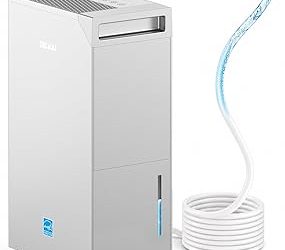
The VIVOSUN AeroDrain D12 is the strongest choice for growers who want a purpose-built, connected system rather than a basic moisture collector. Its temperature and humidity monitoring, sensor probe, app control, and auto-restart features make it easier to manage changing conditions without opening the tent repeatedly.
Small Grow Tent Dehumidifier Kit
This compact kit is designed for enclosed spaces such as grow tents, safes, closets, and electrical cabinets. Its automatic humidity control and auto shutoff are especially useful where space is limited and an unattended water overflow would be inconvenient; verify the installation requirements before connecting it.
Smart Temperature and Humidity Controller
More of a configurable moisture-control solution than a conventional room appliance, this model is appealing for growers who need external heating or cooling interface support. It is a good fit for custom cabinet or tent arrangements where coordination between humidity and temperature equipment matters.
1657ML 58OZ Small Dehumidifier
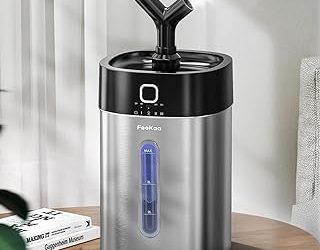
This small home dehumidifier offers a straightforward alternative for a modest tent or nearby room, with multiple operating modes, timers, adjustable lighting, and automatic shutoff protection. Its listed coverage makes it more suitable for supplemental moisture control than for a heavily humid, densely planted enclosure.
Automatic Small Grow Tent Dehumidifier
With a temperature control switch and support for 110V/240V power, this mini unit is aimed at compact grow spaces, storage cabinets, and closets. Its appeal is simplicity: it can work well when you want automatic operation without investing in a larger smart appliance, provided its moisture-removal capacity matches your conditions.
Frequently Asked Questions
What size dehumidifier do I need for a grow tent?
Start with the tent’s dimensions, plant count, watering frequency, and the humidity level of the surrounding room. A small tent with modest moisture production may need only a compact unit, while a full canopy or poorly ventilated enclosure can overwhelm a mini dehumidifier.
Where should I place a dehumidifier in a grow tent?
Place it on a stable, level surface with clear airflow around the intake and exhaust. Keep it away from direct splashes, avoid blocking the plant canopy, and position the humidity sensor where it can reflect the air around the plants rather than a hot equipment corner.
Can a dehumidifier make a grow tent too hot?
Yes. Most dehumidifiers release some heat while operating, which can be helpful in a cool room but problematic during warm periods. Monitor both temperature and humidity after installation, and use ventilation or a controller if the tent begins drifting outside your target range.
How often should I empty a grow tent dehumidifier?
That depends on tank size and how much moisture the tent produces. Check the reservoir daily at first, especially during the first week, and rely on automatic shutoff only as a safeguard—not as a substitute for regular emptying or a properly installed drain.
Final Thoughts
For the most complete grow-tent setup, the VIVOSUN AeroDrain D12 stands out for its sensor and smart controls. The Small Grow Tent Dehumidifier Kit is a practical compact option, while the 1657ML model suits buyers who need simple supplemental control for a smaller enclosure or nearby room.