Key takeaways
- Measure your bench footprint first: Note the base dimensions and the height with the quill fully raised. A 12-inch benchtop press typically wants a 12×20 inch patch plus overhead clearance, and shelving above your bench will decide the question before your budget does.
- Swing over size: Swing is double the throat distance, so a 10-inch press reaches the center of a 10-inch board. For chair legs, drawer boxes, and shelf pins, 8 to 10 inches handles nearly everything; 12 inches buys you tabletop-scale work.
- Speed changes you will actually make: Belt-and-pulley five-speed setups cost less but require opening the head. Variable speed dials let you drop RPM for a Forstner bit mid-project, which matters if the press is wedged where the cover is awkward to reach.
- Table tilt and depth stop: A table that tilts 0 to 45 degrees turns one machine into an angled-mortise and splayed-leg jig. A reliable depth stop is what makes shelf-pin holes consistent instead of a gamble.
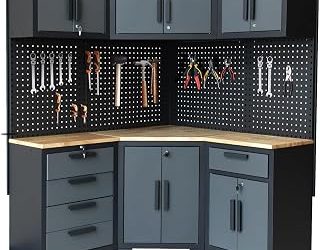
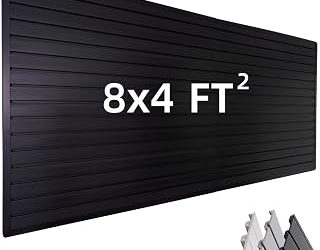
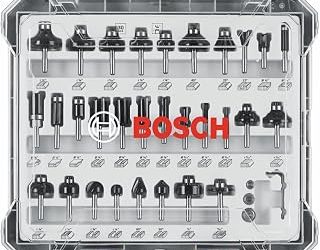
- Plan for storage around the tool, not just under it: Chuck key, drift key, Forstner set, and clamps all need a home. Mount a small magnetic strip or a shallow French cleat panel behind the column and the press stops shedding accessories across your bench.
What's inside
A drill press is one of the few tools that genuinely changes what you can build at home. Perfectly square holes, repeatable depth, clean dowel joinery for a bookcase or a floating shelf cleat that actually sits flush. The catch, if you work out of a spare bedroom, a garage corner, or a balcony bench like most of us, is that a drill press claims permanent square footage. It cannot be tossed in a drawer. That single fact tends to be what stalls the purchase, not the price tag.
This guide looks at drill presses through a footprint-first lens: how much bench depth each machine really consumes, whether it can live on a rolling cart or fold away, and where the capability-per-square-inch sweet spot sits for furniture work. I have specified tool layouts for apartment workshops and one-car-garage shops for years, and the pattern is consistent — the machine you keep is the one that fits your bench, not the one with the biggest column.
As an Amazon Associate we earn from qualifying purchases.



How to Choose a Drill Press For The Money (2026)
- Measure your bench footprint first: Note the base dimensions and the height with the quill fully raised. A 12-inch benchtop press typically wants a 12×20 inch patch plus overhead clearance, and shelving above your bench will decide the question before your budget does.
- Swing over size: Swing is double the throat distance, so a 10-inch press reaches the center of a 10-inch board. For chair legs, drawer boxes, and shelf pins, 8 to 10 inches handles nearly everything; 12 inches buys you tabletop-scale work.
- Speed changes you will actually make: Belt-and-pulley five-speed setups cost less but require opening the head. Variable speed dials let you drop RPM for a Forstner bit mid-project, which matters if the press is wedged where the cover is awkward to reach.
- Table tilt and depth stop: A table that tilts 0 to 45 degrees turns one machine into an angled-mortise and splayed-leg jig. A reliable depth stop is what makes shelf-pin holes consistent instead of a gamble.
- Plan for storage around the tool, not just under it: Chuck key, drift key, Forstner set, and clamps all need a home. Mount a small magnetic strip or a shallow French cleat panel behind the column and the press stops shedding accessories across your bench.
The Best Drill Presses For The Money (2026) Reviewed
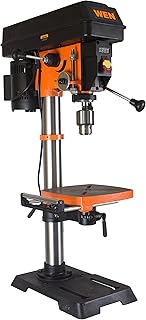
WEN 12-Inch Benchtop Drill Press (DP1263V)
The 6.2-amp variable speed motor and cast iron construction make this the most capable machine here for real furniture parts, and the laser plus LED work light earn their keep in a dim garage corner. Budget the bench depth honestly, though — this is the largest footprint on the list and it wants a dedicated station or a sturdy rolling cart.
BUCKTOOL 10-Inch Bench Drill Press
My pick for the best balance of reach and real estate: 3/4 HP and a 10-inch swing cover shelf pins, dowels, and most case joinery while shaving several inches off the WEN’s footprint. The cast iron base keeps vibration low on a lightweight bench, and the tilting table and LED light are the two features you actually reach for daily.
8″ Benchtop Drill Press with 3.1A Motor
A heavy-duty cast iron head on a genuinely compact base, with five speeds from 620 to 3100 RPM and a table that both tilts to 45 degrees and adjusts for height. This is the one I recommend when bench space is the binding constraint and the work is hardwood furniture components rather than sheet goods.
Mini Bench Drill Press
Small enough to live on a closet shelf and pull out when needed, with two power supply modes and impressively low noise for shared walls. Precision is respectable for jewelry, inlay, and small hardware, but treat it as a delicate-work tool rather than something for boring through a 2×4.
BLACK+DECKER 12V MAX Drill & Home Tool Kit (60-Piece)
Not a drill press, and worth naming plainly — this is the kit that handles the assembly, hardware, and repair side of furniture building. If you are still deciding on a press, this covers the immediate work while you sort out where the column will go.
Frequently Asked Questions
Can a drill press share a bench with other tools?
Yes, if you mount it toward a corner and keep the work zone in front of the table clear. Overhead clearance for the quill handle is the constraint people miss.
Is 8 inches of swing enough for furniture?
For legs, rails, drawer boxes, and shelf pins, comfortably. You will feel the limit only when centering holes in wide panels, which is usually a handheld-drill-and-jig job anyway.
Do I need variable speed?
It is a convenience, not a requirement. Five-speed pulleys cover wood and light metal fine; variable speed simply saves you from opening the head between bits.
Should I bolt the press down?
Bolt it to the bench or to a plywood pad you can clamp on. An unsecured benchtop press walks under load, which ruins accuracy and is the main cause of grabbed workpieces.
Final Thoughts
For most home furniture builders working in tight quarters, the BUCKTOOL 10-Inch hits the best ratio of capability to bench space. Step up to the WEN 12-Inch DP1263V if you have a dedicated station and want tabletop-scale reach, or take the compact 8-inch cast iron press if every square inch is already spoken for.