Our Top Picks
 Craftido-20 Options-100% Cotton Jelly Roll Fabric Precut Strips2.5" x 44"44 x 2.5 x 0 inchesCheck on Amazon
For most quilters, 100 percent quilting-weight cotton is the best fabric for a quilt because it presses crisply, holds a seam and washes predictably; flannel suits cozy throw quilts, linen and linen blends suit relaxed modern quilts, and batiks suit tightly woven, high-contrast designs. The backing and batting matter nearly as much as the top, so this guide covers all three layers and how to match them to a quilt’s purpose.
What makes a fabric good for quilting
Quilting fabric needs to behave under repeated cutting, piecing, pressing and washing. The qualities that matter most are a stable weave that does not stretch when cut on the bias, colorfastness so dark patches do not bleed onto light ones, and a hand that is smooth enough to quilt through by hand or machine. Fiber content, thread count or weave density, and how the fabric is finished all play a role.

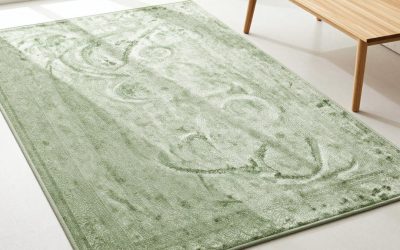
25 Pcs Sage Green Cotton Fabric Squares, 10 x 10 Inch, Precut | 25 assorted floral and leaf prints, soft cotton, quilt and craft use, vintage-inspired sage green palette
Chosen because it specifies 10 x 10 Inch and Precut.
View on AmazonCraftido-20 Options-100% Cotton Jelly Roll Fabric Precut Strips for Quilting, Crafting, and Sewing, 40 Strips 2.5" x 44" Assorted Bundles for Rugs, Quilts, DIY Crafts and Home Decor-Winter Christmas
Chosen because it specifies Crafting and and Sewing.
View on AmazonMost makers of quilting cotton sell it at a standard weight, often described as medium weight, with a plain weave. Lines from makers such as Robert Kaufman (Kona Cotton), Moda, Riley Blake and Art Gallery Fabrics are commonly named in quilting circles, and each describes its own weight and finish on its product pages.
At a glance: fabric options
| Fabric | Best for | Stated or typical traits | Limits |
|---|---|---|---|
| Quilting cotton (e.g. Kona Cotton solids, Moda, Riley Blake prints) | Piecing, beginners, bed quilts | Plain weave, medium weight, wide range of colors and prints; makers say it is made for quilting | Can shrink if not prewashed; quality varies between lines |
| Cotton flannel | Winter throws, baby quilts | Brushed surface that is soft and warm | Shifts and stretches when cut; sheds lint; pieces bulk more at seams |
| Batik cotton | Dense, high-contrast quilts | Tightly woven cotton with wax-resist dyed patterns | Harder to hand-quilt; stiff hand; dye care needed |
| Linen and linen-cotton blends | Modern, textured quilts | Open, textured look that softens with washing | Frays at the edges; creases; pricier |
| Cotton sateen and voile | Lightweight backs and specialty projects | Smooth, light drape | Not matched to heavy cotton tops; seam slippage possible |
| Polyester blends | Budget or easy-care quilts | Wrinkle-resistant and quick-drying | Presses poorly; can pill; feels different to quilt |
The three layers of a quilt
The top
This is the pieced or whole-cloth layer. Quilting cotton is the standard because it cuts and presses accurately. Mixing fiber types in one top is possible but can produce uneven wear and shrinkage, so keep fabrics of similar weight and fiber together.
The batting
Batting is the insulating middle. Common types include cotton, polyester, wool and blends. Makers state loft and quilting distance on the package, which tells you how far apart quilting lines can be. Cotton batting, such as Warm and Natural or Hobbs Heirloom cotton products, is described by makers as breathable and low-loft. Polyester battings, such as Fairfield Poly-Fil products, are lighter and hold more loft. Wool battings are described as warm but light. Pick based on climate and how much drape you want.
The backing
Backing should be similar in fiber and weight to the top. Wide-width quilt backing, sold in widths wide enough for bed quilts, avoids a center seam. If you piece the back, press seams open to reduce bulk.
Prewashing, shrinkage and colorfastness
Prewashing is a personal choice. Makers of quilting cotton often say the fabric may shrink by a small amount, and prewashing removes the surprise. Quilters who skip it often use a color catcher in the wash and test dark reds and blues before mixing them with light fabrics. If you prewash, treat all fabrics the same so shrinkage is even. Wash gently in cool or warm water and follow the care label for each line. Never assume a bold dye is colorfast.
Match fabric to purpose
Bed quilts
Choose quilting cotton for the top and back with cotton or a cotton-poly blend batting. This combination is durable, breathable and easier to launder. Plan the size to fit the mattress plus drop. Common bed quilt sizes include twin, full, queen and king, and exact finished measurements vary by maker and pattern.
Baby quilts
Choose soft, tightly woven cotton, low-loft batting and secure stitching. For any item intended for infants, follow safe-sleep guidance from pediatric authorities, which advises against loose bedding in a crib. A quilt is better used as a play mat or stroller cover than inside a sleeping area. Use materials the maker labels as suitable for children’s products when available.
Throws and lap quilts
Flannel or cotton with a soft backing makes a comfortable throw. Pair flannel with a thin batting or none at all to avoid bulk.
Wall hangings
Fabric weight matters less since the quilt will not be washed often. Batiks, linen blends and special prints work well, and stiffer interfacings can help the piece hang flat.
Heirloom quilts
Choose high-quality cotton, cotton batting and archival-minded backing. Avoid mixing very different fibers and avoid fabrics with unstable dyes.
Thread, tools and compatibility notes
- Thread: Cotton or cotton-wrapped polyester thread is the common match for cotton fabric.
- Needles: A quilting or universal needle for cotton; a larger size for batiks and heavy layers.
- Rotary cutter and mat: Fresh blades give clean cuts on flannel and linen, which fray easily.
- Pressing: Cotton tolerates a hot iron; synthetics may melt. Follow the care label.
Budget tiers and trade-offs
| Tier | What to expect | Trade-off |
|---|---|---|
| Budget | Craft-store cotton and basic polyester battings | Thinner weave, more variation in dye quality, and more shrink surprises |
| Mid-range | Name-brand quilting cotton and cotton battings | Reliable behavior, wide color range, higher cost per yard |
| Premium | Designer cottons, linen, organic fabrics and wool batting | Costly, can fray or crease more; benefits depend on the project |
Pick X if…
| Pick this | If you… |
|---|---|
| Quilting cotton | Want the most predictable, widely supported option |
| Flannel | Want a soft, warm throw and accept more handling care |
| Batik | Want a dense, vivid look and plan to machine quilt |
| Linen blends | Want a modern, textured finish and will wash gently |
| Cotton batting | Want breathability and a flat, traditional look |
| Polyester batting | Want lightweight loft and lower cost |
Alternatives
- Precut bundles: Jelly rolls, charm packs and layer cakes save cutting time, and coordinated collections reduce color guesswork.
- Quilt kits: A kit includes fabric and pattern for a specific design, which helps beginners.
- Upcycled fabrics: Shirts or denim can make rustic quilts, though they vary in weight and may need stabilizer.
Reading the fabric label and shop description
Quilting cotton is usually sold by the yard on bolts that are about 42 to 44 inches wide, and fat quarters, precuts and wide backing fabrics are sold in set sizes. The bolt end or product page usually gives fiber content, width and care instructions. Look for the phrase “quilting cotton” or a similar maker description rather than assuming any cotton print will behave the same way, since dress-weight or home-decor cottons can be thinner or heavier than quilting weight.
Solids versus prints
Solids make piecing patterns stand out and are useful for modern designs. Small-scale prints hide small piecing errors and add texture. Large prints can look striking in big blocks but lose their effect when cut into small pieces.
Directional prints
Stripes and one-way prints need extra yardage because pieces must be cut in a consistent direction. Buy extra if the pattern requires matching.
Grain and stretch
Cut along the straight grain where you can. Bias edges stretch, so triangles and curves need careful handling. Starch or a light spray stabilizer before cutting can help, especially on flannel and linen.
How much fabric to buy
Yardage depends on the pattern. A pattern or kit lists amounts for top, binding and backing, and many quilters add a little extra for shrinkage and mistakes. For the back, a bed quilt needs a piece larger than the top on every side to leave room for quilting. Wide backing fabric, sold at wider widths than standard bolts, reduces seaming for larger projects.
Common mistakes to avoid
- Mixing very different weights in one top, which can cause puckers and uneven wear.
- Skipping a color test for deep reds, purples and blues next to white or cream fabric.
- Using batting with a quilting distance that does not match your stitching plan, which can lead to shifting and bunching.
- Choosing a thick batting for a project you intend to hand-quilt, which makes stitching tiring.
Frequently Asked Questions
Is 100 percent cotton the best fabric for quilts?
For most projects, yes. Cotton is stable, presses well and is widely available in quilting-specific lines. Other fibers can work for particular looks, but they behave differently.
Should I prewash quilting fabric?
It depends. Prewashing reduces shrinkage surprises and helps check colorfastness, while skipping it keeps the fabric crisp for piecing. Whichever you choose, treat all fabrics in a quilt the same way.
Can I mix flannel and cotton in one quilt?
You can, but flannel stretches and is thicker, so seams may pucker. Many quilters use flannel for the back and cotton for the top, with a thin batting.
What batting should I choose?
Cotton batting is breathable and flat, polyester is light and lofty, and wool is warm but light. Read the package for the quilting distance the maker recommends.
What fabric is best for a baby quilt?
Soft, tightly woven cotton with low-loft batting is common. Use the quilt as a play mat or cover rather than loose bedding in a crib, following pediatric safe-sleep guidance.
How should I wash a finished quilt?
Follow the care instructions for your fabric and batting. Many cotton quilts tolerate a gentle machine cycle in cool water, while wool batting or delicate fabrics may need specific handling.