Key takeaways
- Film vs. penetrating: Film finishes like polycrylic sit on top and resist spills best, but scratches show as breaks in the coating. Penetrating oils soak into the fibers, feel more natural underfoot of a hand, and let you spot-repair a single damaged area without redoing the whole surface.
- Cure time and your only table: Water-based topcoats recoat in two hours and reach usable hardness in a day or two. Pure tung oil can take a week or more per coat to fully cure. If you have nowhere else to eat, plan around it or pick a fast-drying hard wax oil.
- Ventilation and odor: Studios and apartments without cross-breeze make solvent smell a real problem. Water-based and natural oil-wax products are the practical choice; skip anything requiring mineral spirits thinning if you can’t open two windows.
- Food safety: If the table doubles as a prep surface or the kids eat directly off it, look for products explicitly rated food safe once cured. Several options here qualify; not all do.
- Heat and moisture resistance: Test any finish on a scrap or the underside first. Hot dishes and sweating glasses are the two most common failure points, and manufacturers vary widely in how much of either their coating tolerates.
What's inside
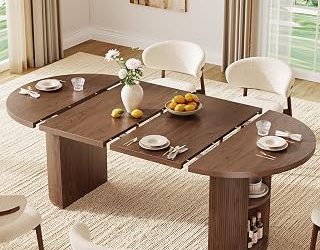
In a compact home, the dining table rarely gets to be just a dining table. It’s the laptop desk from nine to five, the craft station on Saturday, the place where groceries land before they’re put away, and the surface that hosts dinner three hours later. That kind of workload puts a finish under constant pressure: coffee rings, condensation, hot mugs set down without a coaster, the drag of a heavy chair back, the daily wipe-down. Choose the wrong product and you get a surface that looks cloudy within a season or shows every single water spot.
This guide narrows the field to finishes that hold up under real multi-purpose use, with an eye toward small-space realities: low odor if you’re applying in a studio with limited ventilation, quick recoat times so your only table isn’t out of commission for a week, and repairability so a scratch doesn’t mean stripping the whole top. Below you’ll find penetrating oils, wax-oil hybrids, and water-based topcoats, plus guidance on which type suits your table and your tolerance for maintenance.
As an Amazon Associate we earn from qualifying purchases.


How to Choose a Finish For Wooden Dining Table (2026)
- Film vs. penetrating: Film finishes like polycrylic sit on top and resist spills best, but scratches show as breaks in the coating. Penetrating oils soak into the fibers, feel more natural underfoot of a hand, and let you spot-repair a single damaged area without redoing the whole surface.
- Cure time and your only table: Water-based topcoats recoat in two hours and reach usable hardness in a day or two. Pure tung oil can take a week or more per coat to fully cure. If you have nowhere else to eat, plan around it or pick a fast-drying hard wax oil.
- Ventilation and odor: Studios and apartments without cross-breeze make solvent smell a real problem. Water-based and natural oil-wax products are the practical choice; skip anything requiring mineral spirits thinning if you can’t open two windows.
- Food safety: If the table doubles as a prep surface or the kids eat directly off it, look for products explicitly rated food safe once cured. Several options here qualify; not all do.
- Heat and moisture resistance: Test any finish on a scrap or the underside first. Hot dishes and sweating glasses are the two most common failure points, and manufacturers vary widely in how much of either their coating tolerates.
The Best Finish For Wooden Dining Table (2026)s Reviewed
Gilboys Hard Wax Oil, 500ml
This is the closest thing to a one-product answer for a hardworking table: it penetrates and builds a low-sheen protective layer in the same pass, dries fast enough to recoat the same day, and stands up to water and heat better than straight oil. The natural formulation keeps odor manageable in tight quarters, and worn spots blend when you refresh them.
Minwax Polycrylic Satin, 1 Quart
The most spill-proof option on this list and the one I recommend for tables that see kids, homework, and a lot of unpredictable liquid. It’s water-based so cleanup is soap and water, it stays clear over light woods instead of ambering, and a quart covers a standard table with the three coats you’ll want.
100% Pure Tung Oil, 64 oz
Pure tung oil gives you a warm, hand-rubbed depth that no film finish quite replicates, and it’s genuinely food safe once cured. The tradeoff is patience: multiple thin coats with long waits between them, which is a poor fit if this is your only surface.
Tried & True Original Wood Finish, 8 oz
A linseed oil and beeswax blend with no solvents at all, which makes it the safest bet for applying indoors with the windows shut. Protection is modest compared to a film finish, so treat it as a low-maintenance choice for tables that mostly host meals rather than projects.
Howard Feed-N-Wax
Not a standalone finish but the maintenance product that extends everything else on this list. A wipe-on, buff-off application every few months keeps an oiled top from looking dry and helps a waxed surface shed moisture.
Frequently Asked Questions
How many coats does a dining table really need?
Three for film finishes like polycrylic, since the tabletop takes far more abuse than table legs. Penetrating oils typically want two to four thin coats until the wood stops absorbing.
Can I apply a new finish over an existing one?
Only over a compatible base, and only after scuff-sanding for adhesion. Oil over an intact film finish won’t penetrate at all, so strip or sand back to bare wood if you’re switching types.
Will these yellow over time?
Water-based polycrylic stays clear, which matters on maple, ash, and white oak. Oil-based and linseed products add warmth immediately and deepen gradually, which flatters walnut and cherry.
How do I handle a small scratch later?
Oiled and wax-oiled surfaces spot-repair easily: lightly sand the area and reapply. Film finishes need the damaged section feathered and recoated, which usually shows unless you do the full top.
Final Thoughts
For most multi-purpose small-space tables, Gilboys Hard Wax Oil hits the best balance of durability, fast cure, and easy repair. If maximum spill resistance matters more than feel, go with Minwax Polycrylic in satin, and keep a bottle of Howard Feed-N-Wax on hand regardless of which route you take.