Key takeaways
- Measure first: Leave a visible border of flooring along both sides and keep the runner clear of door swings, vents, and nearby furniture legs.
- Choose the right length: A shorter rug works well in an entry zone, while a long corridor benefits from fuller coverage without extending tightly into every corner.
- Prioritize stability: Non-slip backing helps, but a rug pad can add another layer of grip and cushioning on smooth tile, wood, or laminate.
- Keep the pile modest: Low-profile designs are easier to vacuum, less likely to catch under doors, and visually calmer in a narrow space.
- Match the pattern to the hallway: Vintage motifs and muted neutrals conceal everyday marks, while lighter solid tones make a dim passage feel more open.
What's inside
A hallway runner has to solve several problems at once: soften a narrow passage, protect high-traffic flooring, stay flat around doors, and look intentional rather than like an afterthought. The wrong size can make a corridor feel cramped, while a slippery backing or bulky pile quickly becomes a daily nuisance.
This guide approaches the purchase from a small-space organization perspective, focusing on proportions, cleanability, pile height, traction, and visual balance. The selections below cover compact entryways, long corridors, farmhouse interiors, darker decor schemes, and homes that need a low-maintenance rug for busy family traffic.
As an Amazon Associate we earn from qualifying purchases.



How to Choose a/an Hallway Runner (2026)
- Measure first: Leave a visible border of flooring along both sides and keep the runner clear of door swings, vents, and nearby furniture legs.
- Choose the right length: A shorter rug works well in an entry zone, while a long corridor benefits from fuller coverage without extending tightly into every corner.
- Prioritize stability: Non-slip backing helps, but a rug pad can add another layer of grip and cushioning on smooth tile, wood, or laminate.
- Keep the pile modest: Low-profile designs are easier to vacuum, less likely to catch under doors, and visually calmer in a narrow space.
- Match the pattern to the hallway: Vintage motifs and muted neutrals conceal everyday marks, while lighter solid tones make a dim passage feel more open.
The Best Hallway Runner (2026)s Reviewed
Hallway Washable Runner Rug, 2’6" x 14"
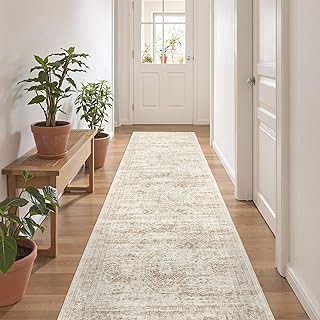
This extra-long beige runner is a strong choice for connecting an entryway to a kitchen, bedroom wing, or living area without breaking up the sightline. Its washable construction and non-slip design suit homes where shoes, pets, and frequent foot traffic make spot-cleaning impractical.
2×8 Neutral Washable Runner Rug
The 2-by-8-foot format is especially useful when a hallway is compact or a door opens close to the wall. Its thin, soft profile keeps the passage easy to navigate, while the beige tone and restrained styling work across kitchens, nurseries, bedrooms, and bathrooms.
Madane 3×10 Washable Hallway Runner
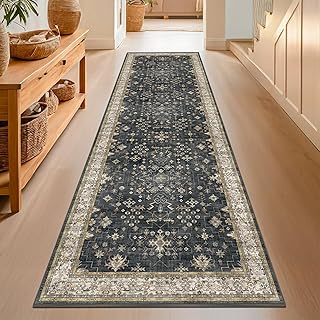
With a wider 3-by-10-foot footprint, this Madane runner makes more of a statement and provides generous coverage in a broad foyer or open corridor. The beige-and-blue vintage pattern adds visual direction to a long space without relying on a high pile, and its washable, non-slip construction is practical for everyday use.
3×20 ft Long Hallway Runner, Cream/Beige
For an unusually long hallway, this 20-foot option creates a continuous visual path instead of forcing several small rugs into the same route. The cream-and-beige palette keeps the effect light, while its low pile, stain-resistant surface, and washable construction are helpful in a high-use home.
Dark Washable Long Runner, 2’6" x 8"
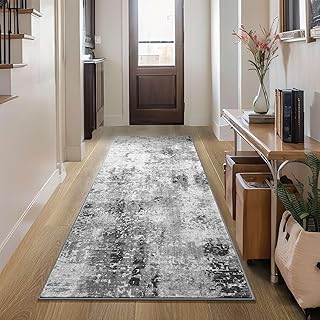
This ashen, multicolor runner is a sensible pick when a pale rug would show too much entryway dirt. Its darker boho-vintage pattern adds contrast to light floors and walls, while the rubber backing and washable design support a more forgiving, low-fuss setup.
Frequently Asked Questions
What size runner is best for a hallway?
Measure the usable floor area rather than the entire corridor. Most hallways look balanced with roughly 3 to 6 inches of exposed flooring on each side, and the runner should stop before doors or transitions where it could interfere with movement.
Should a hallway runner have a rug pad?
Often, yes. Even a runner advertised as non-slip can benefit from a properly sized pad, particularly on polished wood, tile, or laminate. Choose a thin pad designed for the floor type so the rug remains stable without creating a raised edge.
Are washable runners a good choice for busy homes?
They are convenient for households dealing with muddy shoes, pets, children, or frequent entertaining. Check the care instructions and confirm that the rug will fit your washing machine or that you have a practical cleaning alternative before buying.
Is a patterned runner better than a plain one?
Patterns are usually more forgiving of footprints and small spills, making them useful near exterior doors. A plain or lightly textured runner can be preferable in a narrow hallway that already has bold artwork, wallpaper, or strong architectural details.
Final Thoughts
For broad, high-traffic coverage, the Madane 3×10 Washable Hallway Runner is a versatile choice; the 2×8 Neutral Washable Runner is better suited to tighter passages, while the 3×20 Long Hallway Runner stands out for exceptionally extended corridors. Whichever size fits your layout, prioritize a low profile, dependable grip, and a color pattern that makes daily maintenance easier.