Key takeaways
- Comfort range: Infrared saunas commonly operate at lower temperatures than traditional steam saunas. Many users begin around 110°F to 130°F and adjust gradually based on comfort.
- Control range: Choose a model with a clear LCD panel, preset timer, or app control so you can make small temperature changes without leaving the seat.
- Warm-up time: Compact cabins may heat faster than larger rooms, while insulated tents can feel warm quickly once the steamer or infrared panels are running. A stated preheat time is useful for planning.
- Room size: Measure ceiling height, door swing, and walking clearance—not just the sauna’s listed dimensions. Leave room for ventilation and safe access to the power connection.
- Materials and power: Check the voltage, wattage, heater layout, wood construction, insulation, and safety certifications before buying. A comfortable temperature is only useful when the unit is installed appropriately.
What's inside
Choosing the best infrared sauna temperature is less about chasing the highest number and more about creating a comfortable, repeatable routine in the space you actually have. A compact sauna can fit beautifully into a bedroom, basement, or home gym, but its heater type, insulation, seating position, and ventilation all affect how warm it feels.
This guide compares practical home sauna options for 2026, with attention to temperature control, warm-up time, footprint, low-EMF design, and everyday usability. We also look at foldaway sauna tents for renters and small rooms, plus larger corner models for households that want more seating.
As an Amazon Associate we earn from qualifying purchases.


How to Choose an Infrared Sauna Temperature (2026)
- Comfort range: Infrared saunas commonly operate at lower temperatures than traditional steam saunas. Many users begin around 110°F to 130°F and adjust gradually based on comfort.
- Control range: Choose a model with a clear LCD panel, preset timer, or app control so you can make small temperature changes without leaving the seat.
- Warm-up time: Compact cabins may heat faster than larger rooms, while insulated tents can feel warm quickly once the steamer or infrared panels are running. A stated preheat time is useful for planning.
- Room size: Measure ceiling height, door swing, and walking clearance—not just the sauna’s listed dimensions. Leave room for ventilation and safe access to the power connection.
- Materials and power: Check the voltage, wattage, heater layout, wood construction, insulation, and safety certifications before buying. A comfortable temperature is only useful when the unit is installed appropriately.
The Best Infrared Sauna Temperature (2026)s Reviewed
Homsido 1-Person Infrared Home Sauna
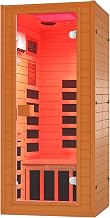
The Homsido is a sensible choice for a dedicated personal wellness corner, with a relatively compact hemlock cabin, low-EMF heater panels, and a 1200-watt, 110-volt setup. Its LCD controls, 10-minute prewarm claim, and preset time and temperature functions make it especially convenient for users who prefer a predictable routine.
1–2 Person Infrared Sauna with Red Light Therapy
This brown cabin balances a modest footprint with features that make it feel more like a home spa, including Bluetooth audio, radio, chromotherapy lighting, and red light therapy. At approximately 40 by 36 by 73 inches, it suits a small gym or spare room, though buyers should confirm that the taller profile clears the ceiling comfortably.
2-Person Smart WiFi Infrared Sauna
For households that value remote control, this two-person model adds app connectivity, WiFi, Bluetooth, and an LCD heater system. Its 1500-watt, 120-volt configuration and flame-retardant materials make it a feature-rich option, but the extra capacity also means more floor space and careful attention to electrical requirements.
2–3 Person Ceramic Corner Infrared Sauna
A corner design can reclaim otherwise awkward floor area, making this larger hemlock sauna appealing for a basement or spacious primary bedroom. Ceramic infrared heating, Bluetooth speakers, and chromotherapy lights add comfort-focused features, while the expanded interior is better suited to shared use than most one-person cabins.
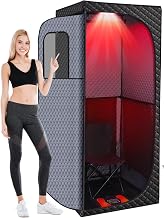
Infrared Sauna Tent with 3L Steamer
The foldable tent is the most adaptable pick for apartments, renters, and rooms that cannot accommodate a permanent wooden cabin. It includes nine heat levels, a 99-minute timer, remote control, insulated five-layer waterproof fabric, a three-liter steamer, and a folding chair; store it fully dry and allow sufficient ventilation after each session.
Frequently Asked Questions
What temperature should an infrared sauna be?
Many people find a setting between 110°F and 130°F comfortable, while some prefer a warmer setting within the manufacturer’s stated range. Start low, increase gradually, and follow the instructions supplied with your specific sauna.
How long should an infrared sauna take to warm up?
Warm-up time varies with heater wattage, cabin size, insulation, ambient room temperature, and the desired setting. A compact one-person cabin may warm faster than a two- or three-person model, while a tent’s steamer can produce noticeable warmth quickly.
Is hotter always better in an infrared sauna?
No. Infrared saunas are designed to provide radiant heat at temperatures that are often lower than those used by traditional saunas. A moderate setting that you can tolerate comfortably and use consistently is generally more practical than the maximum setting.
Where should I place a home infrared sauna?
Use a level surface in a dry, well-ventilated area with adequate clearance around the unit. Keep the sauna away from water sources, check the required outlet and circuit, and measure the full installation path before ordering a large wooden model.
Final Thoughts
The Homsido 1-Person Sauna is a strong space-conscious choice for simple, repeatable temperature control, while the 1–2 Person Red Light Therapy Sauna adds a broader home-spa feature set without becoming oversized. For maximum flexibility in a small home, the Infrared Sauna Tent is the easiest option to fold away; households with room to spare may prefer the larger corner sauna for shared sessions.