Key takeaways
- Leather type: Confirm that the product is suitable for finished or sealed leather, which is common on sofas. Avoid applying a general conditioner to suede, nubuck, or unfinished leather.
- Cleaning first: A conditioner works best on a dust-free, residue-free surface. If your sofa has body oils, crumbs, or visible grime, choose a cleaner-and-conditioner combination or clean separately first.
- Finish: Look for a soft, natural sheen rather than a wet or glossy appearance. In a small room, heavy shine can make worn patches and fingerprints more noticeable.
- Protection: UV protection is useful near bright windows, while conditioning helps reduce the dry feel associated with regular use. Neither replaces shade, curtains, or careful spill control.
- Application: A manageable bottle, included cloths, or a two-step system can make recurring care easier. Always test on a hidden area before treating the whole sofa.
What's inside
Leather sofas can look parched, dull, or uneven long before they are actually worn out. The challenge is choosing a conditioner that adds suppleness without leaving a greasy film, darkening the finish, or making a compact living room’s main seating piece feel harder to maintain.
This guide compares practical leather-care options for sofas, apartment seating, and other high-use furniture. I’m focusing on formula versatility, ease of application, protection, and whether each product makes sense for routine upkeep or a more involved furniture refresh.
As an Amazon Associate we earn from qualifying purchases.




How to Choose a/an Leather Conditioner For Sofa (2026)
- Leather type: Confirm that the product is suitable for finished or sealed leather, which is common on sofas. Avoid applying a general conditioner to suede, nubuck, or unfinished leather.
- Cleaning first: A conditioner works best on a dust-free, residue-free surface. If your sofa has body oils, crumbs, or visible grime, choose a cleaner-and-conditioner combination or clean separately first.
- Finish: Look for a soft, natural sheen rather than a wet or glossy appearance. In a small room, heavy shine can make worn patches and fingerprints more noticeable.
- Protection: UV protection is useful near bright windows, while conditioning helps reduce the dry feel associated with regular use. Neither replaces shade, curtains, or careful spill control.
- Application: A manageable bottle, included cloths, or a two-step system can make recurring care easier. Always test on a hidden area before treating the whole sofa.
The Best Leather Conditioner For Sofa (2026)s Reviewed
Weiman Leather Cleaner & Conditioner
Weiman’s cleaner-and-conditioner format is a straightforward choice for households that want one product for routine sofa care. Its UV-protection positioning is especially useful for leather furniture placed near windows, and the formula is also marketed for other finished leather surfaces. Use a small amount and buff thoroughly to avoid an overly slick seat.
Leather Honey Leather Conditioner
Leather Honey is a concentrated, long-standing option for owners who want conditioning to be the central step rather than an afterthought. It is designed for furniture and a wide range of leather goods, including multiple colors, but its richer treatment makes thin application and generous drying time particularly important on a sofa.
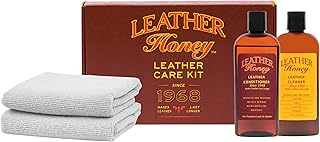
Leather Honey Complete Leather Care Kit
This kit is a sensible pick when the sofa needs both preparation and conditioning. Having cleaner, conditioner, and cloths together simplifies the process, which is valuable in smaller homes where care supplies can otherwise spread across drawers and closets. Follow the cleaning step carefully and allow the leather to dry before conditioning.
Weiman Leather Cleaner & Conditioner, Two-Pack
The two-pack version suits homes with several leather pieces, such as a sofa paired with a recliner, ottoman, or dining chairs. It offers the same convenient cleaner-and-conditioner approach while reducing the chance of running out midway through a furniture-care routine. Store the second bottle upright in a cool cabinet away from direct heat.
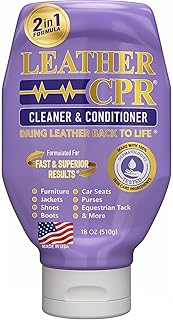
Leather CPR Cleaner and Conditioner
Leather CPR is positioned as an all-purpose treatment for furniture and accessories, with an emphasis on restoring softness, color, and a renewed appearance. It can be a practical choice for a sofa that looks tired but is not structurally damaged. Apply sparingly, work in sections, and buff away excess so the seating surface does not feel oily.
Frequently Asked Questions
Can I use leather conditioner on every sofa?
No. First identify the upholstery material and finish. These products are generally intended for real, finished leather; suede, nubuck, bonded materials, and heavily coated faux leather may require different care. Check the sofa manufacturer’s instructions whenever available.
How often should I condition a leather sofa?
For most homes, light care every few months is a reasonable starting point, with more frequent attention in dry rooms, sunny spaces, or heavily used seating areas. Over-conditioning can leave buildup, so judge by the leather’s feel and appearance rather than following an aggressive schedule.
Should I clean a leather sofa before conditioning it?
Yes, especially if the surface has dust, food residue, or body oils. A clean surface allows the conditioner to spread more evenly and prevents grime from being worked deeper into the texture. Let any cleaner dry fully before applying conditioner.
How do I apply conditioner without making the sofa greasy?
Vacuum loose debris, test the product in an inconspicuous spot, and apply a small amount to a soft cloth rather than pouring it directly onto the sofa. Work in small sections, use gentle overlapping strokes, and buff with a clean cloth once the product has settled.
Final Thoughts
For simple recurring maintenance, Weiman Leather Cleaner & Conditioner is an approachable starting point, especially where sunlight is a concern. Leather Honey is the better fit for a richer conditioning treatment, while the Leather Honey Complete Leather Care Kit is the most convenient choice when your sofa needs a coordinated clean-and-condition routine.