Key takeaways
- Material: Genuine leather offers natural variation and long-term aging, while PU and vinyl provide more uniform coverage at a lower cost.
- Thickness: Medium-weight material is easier to wrap around corners; very thin sheets suit repairs, while heavier hides are better for structural upholstery.
- Coverage: Measure every panel, then add extra for wrapping, alignment, pattern matching, and mistakes. Small sheets rarely work for an entire sofa.
- Surface: Smooth finishes are easy to wipe clean, whereas grain and distressed textures are more forgiving of scuffs, fingerprints, and everyday wear.
- Installation: Confirm that the material can be cut, stapled, stitched, or bonded with your chosen method before buying enough for the project.
What's inside
Choosing leather for a sofa is less straightforward than it looks. A material may appear rich and durable online yet arrive too thin for a seat deck, too stiff for curved arms, or too narrow for the panels you need to cover. Small-space furniture adds another challenge: every seam, crease, and mismatch is highly visible when a sofa sits close to walls, shelving, and other furnishings.
This guide focuses on practical upholstery choices for repairs, cushion covers, accent panels, and full reupholstery projects. We compare genuine leather, faux leather, and vegan PU by thickness, usable size, flexibility, appearance, and how well each option suits compact sofas and apartment-scale seating.
As an Amazon Associate we earn from qualifying purchases.




How to Choose a/an Leather For Sofa (2026)
- Material: Genuine leather offers natural variation and long-term aging, while PU and vinyl provide more uniform coverage at a lower cost.
- Thickness: Medium-weight material is easier to wrap around corners; very thin sheets suit repairs, while heavier hides are better for structural upholstery.
- Coverage: Measure every panel, then add extra for wrapping, alignment, pattern matching, and mistakes. Small sheets rarely work for an entire sofa.
- Surface: Smooth finishes are easy to wipe clean, whereas grain and distressed textures are more forgiving of scuffs, fingerprints, and everyday wear.
- Installation: Confirm that the material can be cut, stapled, stitched, or bonded with your chosen method before buying enough for the project.
The Best Leather For Sofa (2026)s Reviewed
Faux Leather Smooth Solid Fabric
Faux Leather Fabric Smooth Solid 54" x 36" in Dark Brown is a useful choice for tidy repairs and smaller sofa components. Its smooth, understated surface works particularly well in compact rooms, where a dark solid color can make a patched cushion or arm panel look intentional rather than visually busy.
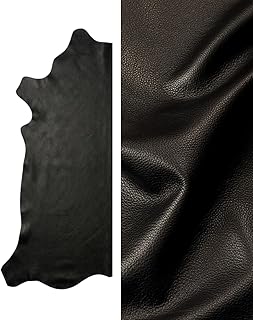
Premium Genuine Natural Grain Cowhide
Premium Genuine Leather Natural Grain Cowhide Hides provide the authentic look and tactile variation many sofa owners want. The 20-square-foot full side is more practical than a small craft sheet for coordinated repairs, though natural hides should be inspected and planned carefully because grain, color, and thickness can vary across the piece.
12-by-24-Inch Full-Grain Leather Sheet
The 12" x 24" Genuine Full Grain Cowhide Leather Sheet is best suited to targeted upholstery work rather than a complete sofa makeover. Its pre-cut format and approximately 1.1–1.3 mm thickness make it convenient for replacing a worn cushion edge, patching an armrest, or testing a color before committing to a larger hide.
Large 40–44 Square-Foot Brown Cowhide
The Full Hide 40–44 sq. ft. Brown Tan Cognac Cowhide is the strongest option here for a larger upholstery plan. Its generous dimensions allow better continuity across sofa panels, while the warm two-tone character can add depth to a small living area without the flat, manufactured look of some synthetic materials.
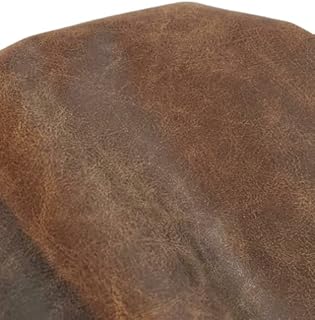
NAT Leathers Brown Distressed Vegan PU
NAT Leathers Brown Distressed 2 Tone Oily Faux Vegan Leather offers a convincing aged-leather effect without using animal hide. The 36" x 54" cut is a sensible middle ground for cushions, ottomans, dining-banquette seating, or selected sofa panels, and its distressed finish helps disguise minor marks in busy homes.
Frequently Asked Questions
How much leather is needed for a sofa?
Coverage depends on the sofa’s size, shape, and whether you are replacing every upholstered panel. Measure each section separately and include material for tucking, stapling, seam allowances, directional grain, and replacement pieces if an error occurs.
Is faux leather suitable for sofa upholstery?
Yes, particularly for cushions, accent chairs, compact sofas, and partial reupholstery. Faux leather is easy to clean and consistent in color, but quality varies, so check thickness, flexibility, backing, and whether the surface is intended for furniture rather than light craft use.
What is the advantage of full-grain leather?
Full-grain leather retains the hide’s natural surface, including its grain and subtle markings. It generally develops more character with age and can withstand substantial use, although it may require more careful cutting and matching than a uniform synthetic material.
How can leather make a small room feel more spacious?
Choose a restrained finish and coordinate the sofa with nearby furniture rather than introducing several competing textures. A streamlined silhouette, medium visual contrast, and carefully matched panels usually make a compact room feel calmer and less crowded.
Final Thoughts
For broad sofa coverage, the Large 40–44 Square-Foot Brown Cowhide is the most capable choice, while the Premium Genuine Natural Grain Cowhide suits buyers who want authentic leather with a manageable project size. For economical repairs or a vegan finish, the Smooth Dark Brown Faux Leather and NAT Leathers Distressed Vegan PU are practical small-space-friendly alternatives.