Key takeaways
- Durability: Choose a tightly woven cloth or upholstery-grade vinyl that can handle repeated sitting, edge friction, and occasional tightening.
- Cleanability: For busy households, wipeable faux leather or waterproof synthetic fabric is more forgiving than absorbent natural fibers.
- Comfort: Fabric generally feels warmer and less sticky, while vinyl gives stronger spill protection but may feel firmer or cooler.
- Thickness: Medium-weight material is easiest to fold around corners; very thin fabric can tear, while bulky fabric creates untidy pleats underneath.
- Quantity: Measure every seat, add extra for wrapping and mistakes, and check the material’s width before ordering. A dining chair seat commonly needs more fabric than its visible top suggests.
What's inside
Reupholstering dining chairs sounds simple until you compare fabric weight, cleanability, stretch, and the amount of material needed for each seat. A beautiful textile can still disappoint if it frays at the edges, shows every spill, or feels too thin over firm padding.
This guide focuses on practical materials for compact dining spaces, where chairs often serve multiple purposes and need to withstand daily meals, homework, and entertaining. I’ve compared the leading options for comfort, durability, maintenance, appearance, and project ease so you can choose a covering that suits both your room and your routine.
As an Amazon Associate we earn from qualifying purchases.



How to Choose a Material To Reupholster Dining Room Chairs (2026)
- Durability: Choose a tightly woven cloth or upholstery-grade vinyl that can handle repeated sitting, edge friction, and occasional tightening.
- Cleanability: For busy households, wipeable faux leather or waterproof synthetic fabric is more forgiving than absorbent natural fibers.
- Comfort: Fabric generally feels warmer and less sticky, while vinyl gives stronger spill protection but may feel firmer or cooler.
- Thickness: Medium-weight material is easiest to fold around corners; very thin fabric can tear, while bulky fabric creates untidy pleats underneath.
- Quantity: Measure every seat, add extra for wrapping and mistakes, and check the material’s width before ordering. A dining chair seat commonly needs more fabric than its visible top suggests.
The Best Material To Reupholster Dining Room Chairs (2026)s Reviewed
TinaKim Thick Faux Linen Upholstery Fabric
TinaKim’s thick faux linen is a strong all-purpose choice for dining chairs that need a relaxed, tailored look. Its flaxen tone works particularly well in small dining areas because it adds texture without visually crowding the room, while the 2-yard cut is convenient for a modest chair refresh.
Wento Beige Faux Leather Fabric
Wento’s soft beige PU leather is a practical pick for families, rental homes, and anyone who wants quick cleanup after meals. The subtle skin-grain finish gives it more visual depth than flat vinyl, and its supple hand should make it easier to wrap neatly around seat corners.
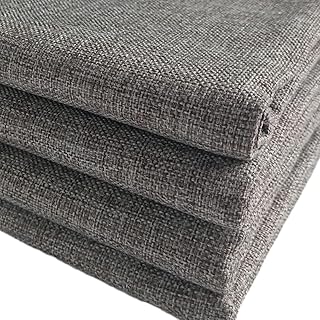
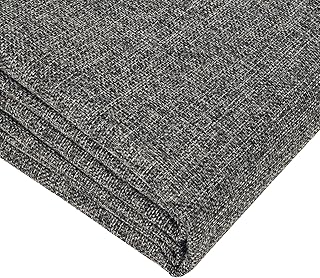
Heavy Linen Fabric in Dark Grey
This heavy linen-texture material offers a more natural, substantial appearance than many synthetic cloths. Dark grey is especially useful for disguising everyday marks, though buyers should treat it as a fabric-first option rather than a spill-proof covering and consider a protective finish if frequent messes are likely.
Faux Linen Needlework Fabric in Grey Blue
The grey-blue faux linen brings a cooler, softer color to a dining nook and provides a generous 3.3-yard length for multiple seats or matching projects. It is a sensible option when you want coordinated chair upholstery, a bench cushion, or spare material for future repairs without moving into a glossy finish.
Waterproof Synthetic Marine Vinyl in Grey
This waterproof grey synthetic fabric is designed for demanding upholstery situations, making it a compelling choice for dining chairs exposed to spills, pets, or heavy daily use. The neutral color is easy to pair with wood furniture, although the less flexible feel of marine vinyl may require careful stapling around sharply curved seats.
Frequently Asked Questions
What is the best overall material for dining chair seats?
A medium-weight upholstery fabric is usually the best balance of comfort, appearance, and ease of installation. Faux linen is particularly versatile, while faux leather is preferable when wipe-clean maintenance matters most.
Is marine vinyl too heavy for dining chairs?
Not necessarily. Marine vinyl can be excellent for durable, low-maintenance seating, but its heavier construction may be more difficult to fold around tight corners. Use a sharp staple pattern and avoid excessive bulk beneath the seat.
How much fabric do I need for six dining chairs?
Measure the length and width of the removable seat, then add several inches on every side for pulling and stapling. Six standard seats often require several yards, but seat shape, pattern direction, and whether you are covering the backrest can change the total significantly.
Should I wash fabric before reupholstering?
Only if the manufacturer’s care instructions permit it. Prewashing can prevent later shrinkage, but some upholstery materials have coatings, backing, or finishes that may be damaged by a washing machine. When in doubt, use careful spot cleaning or professional treatment instead.
Final Thoughts
For a balanced everyday makeover, TinaKim Thick Faux Linen Upholstery Fabric is the most versatile starting point. Choose Wento Beige Faux Leather when easy cleanup is the priority, or the Waterproof Synthetic Marine Vinyl in Grey for chairs that need especially strong spill resistance and long-term toughness.