Key takeaways
- Aim for medium-firm, not firm: A truly firm surface bridges under your waist and leaves your hip bearing the load. Medium-firm gives the shoulder and hip somewhere to go while the lumbar curve stays supported. Reserve firm builds for heavier body weights or combination sleepers who spend part of the night on their back.
- Look for zoned support: 7-zone coil layouts firm up under the lumbar region and soften at the shoulder and hip. This is the single feature most directly tied to side-sleeper hip relief, and it’s why zoned hybrids tend to outperform uniform foam at the same price.
- Check comfort layer depth: A 14-inch build with three or more inches of contouring foam above the coils will cradle a hip far better than a 12-inch model with a thin quilt. If you’re under 130 lbs, you need that depth even more, since lighter bodies don’t compress a shallow layer enough to relieve pressure.
- Plan for heat, then plan for the box: Deep foam traps warmth, so gel infusions, copper, or graphene-treated covers earn their keep. Separately, confirm the compressed carton fits your doorways and that you have floor space to let it expand for 24 to 72 hours.
- Insist on certifications and a real trial: CertiPUR-US and fiberglass-free construction are baseline expectations in 2026. A 365-night trial matters more than any spec sheet, because postural pain takes four to six weeks to respond to a new sleep surface.
What's inside
Side sleeping loads your body unevenly. Your shoulder and hip carry most of your weight on a narrow footprint, and if the surface underneath refuses to yield, those two points get compressed while your lumbar spine twists to compensate. That’s the mechanism behind the 4 a.m. hip ache and the stiff lower back you blame on your desk chair. The fix isn’t a softer bed or a harder one — it’s a surface that lets the hip and shoulder sink while still holding the waist and lower back level. Get that wrong in a small bedroom and you compound the problem, because a bed you sleep badly on is also the largest object in the room.
This guide is written from a small-space perspective: every mattress here arrives compressed in a box, which matters when your only route to the bedroom is a stairwell turn or a narrow apartment hallway. All six are queen-size hybrids or foam builds in the medium-firm to firm range, the zone that consistently works for side sleepers with hip and back pain. Below you’ll find how to evaluate them, short reviews of the top five, and answers to the questions that actually change a buying decision.
As an Amazon Associate we earn from qualifying purchases.




How to Choose a/an Mattress For Side Sleepers With Back And Hip Pain (2026)
- Aim for medium-firm, not firm: A truly firm surface bridges under your waist and leaves your hip bearing the load. Medium-firm gives the shoulder and hip somewhere to go while the lumbar curve stays supported. Reserve firm builds for heavier body weights or combination sleepers who spend part of the night on their back.
- Look for zoned support: 7-zone coil layouts firm up under the lumbar region and soften at the shoulder and hip. This is the single feature most directly tied to side-sleeper hip relief, and it’s why zoned hybrids tend to outperform uniform foam at the same price.
- Check comfort layer depth: A 14-inch build with three or more inches of contouring foam above the coils will cradle a hip far better than a 12-inch model with a thin quilt. If you’re under 130 lbs, you need that depth even more, since lighter bodies don’t compress a shallow layer enough to relieve pressure.
- Plan for heat, then plan for the box: Deep foam traps warmth, so gel infusions, copper, or graphene-treated covers earn their keep. Separately, confirm the compressed carton fits your doorways and that you have floor space to let it expand for 24 to 72 hours.
- Insist on certifications and a real trial: CertiPUR-US and fiberglass-free construction are baseline expectations in 2026. A 365-night trial matters more than any spec sheet, because postural pain takes four to six weeks to respond to a new sleep surface.
The Best Mattress For Side Sleepers With Back And Hip Pain (2026)s Reviewed
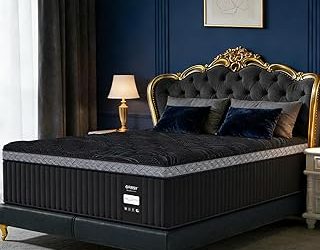
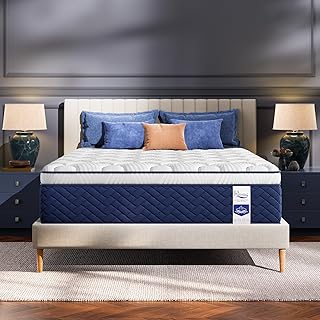
Medium Firm Hotel Collection 14″ Hybrid
The 7-zone coil system here is tuned specifically for spinal alignment, softening beneath the shoulder and hip while reinforcing the lumbar band — the exact geometry side sleepers need. Its hotel-style build gives it enough surface plushness that you don’t feel the transition into the support core.
Sleepmax 14″ Cooling Hybrid
Sleepmax pairs a generous comfort layer with pocketed coils and a cooling top, making it a strong pick for side sleepers who run warm and wake up because of it. Motion isolation is solid, which helps if you share a compact bedroom with a restless partner.
Queen 14″ Medium Firm with Pocket Springs & Cooling Gel
This one leans on individually wrapped springs and gel-infused foam to deliver targeted lumbar support without the trapped heat that plagues deep foam builds. It’s the most balanced all-rounder on the list for anyone who shifts between side and back through the night.
EGOHOME 14″ Copper Gel Memory Foam
An all-foam alternative for people who want deep, quiet contouring rather than coil pushback, with copper gel and a graphene cover doing the thermal work. The medium-firm feel and ICA endorsement make it a credible choice for chronic lower-back complaints.
Firm 12″ Hybrid with Lumbar & Hip Support
At 12 inches and a genuinely firm feel, this is the right call for heavier side sleepers or anyone whose hips currently sink too far into a sagging bed. The slimmer profile is also easier to manage in a small room with a low bed frame or under-bed storage.
Frequently Asked Questions
Should side sleepers with hip pain choose soft or firm?
Medium-firm, in almost every case. Soft mattresses let the hips drop below the spine; firm ones concentrate pressure on the hip joint. Medium-firm splits the difference by allowing controlled sinkage with a supportive base underneath.
Is 12 inches or 14 inches better?
Fourteen inches usually offers a deeper comfort layer, which benefits side sleepers under about 200 lbs. Twelve inches suits heavier sleepers, platform frames, and rooms where a lower bed height keeps the space feeling open.
How long before my back and hip pain improves?
Give it four to six weeks. Your body needs time to adapt to new alignment, and initial stiffness is common. The 365-night trials on these models exist precisely because that adjustment window is real.
Do these work on a slatted or storage bed frame?
Yes, provided slats sit no more than three inches apart. Wider gaps allow the foam base to sag between them, which undermines the lumbar support you paid for.
Final Thoughts
For most side sleepers dealing with hip and lower-back pain, the Hotel Collection 14″ Hybrid is the most targeted option thanks to its zoned coil layout, with the Queen 14″ Medium Firm with Pocket Springs a close second for its cooling and all-round balance. If you prefer the enveloping quiet of foam over springs, the EGOHOME 14″ Copper Gel is the pick — and in a compact bedroom, all three arrive in a box you can actually get through the door.