Key takeaways
- Capacity: A 1.6- to 1.7-cubic-foot model works well for personal snacks and drinks, while a 3.1- to 3.2-cubic-foot fridge is better for meal prep, larger containers, and shared use.
- Freezer design: A separate freezer compartment is useful for frozen meals and ice, but it reduces refrigerator space. Decide whether frozen storage is essential before prioritizing it.
- Footprint and door swing: Measure the intended shelf or floor area, then check door clearance. A reversible door can make a major difference in a crowded dorm layout.
- Noise and energy: Look for low-noise operation and energy-conscious construction, especially if the refrigerator will sit beside your bed or run continuously in a warm room.
- Convenience features: Adjustable thermostats, removable shelves, interior lighting, carrying handles, and car-power compatibility each solve different storage or mobility needs.
What's inside
A dorm-room refrigerator has to do more than keep food cold. It must fit beneath a desk or inside a tight corner, operate quietly through late-night study sessions, and provide enough usable space without turning the room into a maze of cords and clutter. The wrong model can also create daily frustrations: cramped shelves, a freezer that steals valuable storage, or a door that opens into a bed or desk.
This guide compares compact refrigerators across several dorm-friendly layouts, from tiny personal coolers to fuller mini fridges with separate freezers. The focus is practical small-space living: capacity, portability, noise, energy use, door placement, and how each model suits snacks, drinks, leftovers, or shared-room storage.
As an Amazon Associate we earn from qualifying purchases.


How to Choose a/an Mini Fridge For Dorm Room (2026)
- Capacity: A 1.6- to 1.7-cubic-foot model works well for personal snacks and drinks, while a 3.1- to 3.2-cubic-foot fridge is better for meal prep, larger containers, and shared use.
- Freezer design: A separate freezer compartment is useful for frozen meals and ice, but it reduces refrigerator space. Decide whether frozen storage is essential before prioritizing it.
- Footprint and door swing: Measure the intended shelf or floor area, then check door clearance. A reversible door can make a major difference in a crowded dorm layout.
- Noise and energy: Look for low-noise operation and energy-conscious construction, especially if the refrigerator will sit beside your bed or run continuously in a warm room.
- Convenience features: Adjustable thermostats, removable shelves, interior lighting, carrying handles, and car-power compatibility each solve different storage or mobility needs.
The Best Mini Fridge For Dorm Room (2026)s Reviewed
Upstreman 3.2 Cu. Ft. Mini Fridge with Freezer
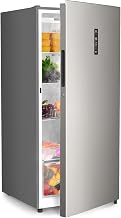
The Upstreman BR321 is a strong all-purpose choice for students who want genuine food-storage capacity without moving up to a full-size appliance. Its separate freezer, adjustable thermostat, reversible door, and low-noise design make it especially practical for dorm rooms where layout flexibility matters. This is the best fit for keeping leftovers, drinks, fresh produce, and frozen staples in one compact footprint.
Midea 3.1 Cu. Ft. Mini Fridge with Freezer
Midea’s 3.1-cubic-foot model offers a similarly capable setup with a dedicated freezer and Energy Star certification. It is a sensible pick for students who cook or meal-prep more often, since the extra capacity is easier to organize than a beverage-only refrigerator. Measure carefully before buying, but this model provides a useful balance between storage and dorm-friendly proportions.
Upstreman 1.7 Cu. Ft. Mini Fridge with Freezer
The Upstreman FR17 is designed for rooms where every inch counts. It keeps the useful features of a larger compact refrigerator—including a freezer compartment, adjustable temperature control, and reversible door—while using a smaller footprint. Expect less room for tall bottles and meal containers, but gain an easier fit beside a desk, dresser, or compact shelving unit.
Midea 1.6 Cu. Ft. Mini Fridge
For a quiet personal refrigerator, the Midea 1.6-cubic-foot model is a streamlined option. Its Energy Star certification and low-noise design suit bedrooms and study areas, while the compact interior is adequate for drinks, fruit, yogurt, packaged meals, and a few daily essentials. Choose it when quiet operation and a small footprint matter more than maximum capacity.
Frigidaire EFMIS171 Retro Mini Portable Personal Fridge
The Frigidaire EFMIS171 takes a different approach: portability over volume. Its carrying handle and AC/DC wall-or-car charging make it useful for a small personal stash, travel, office use, or a dorm room where a conventional mini fridge is not practical. The retro styling adds personality, but its compact interior is best reserved for a few drinks, snacks, or skincare items rather than full meal storage.
Frequently Asked Questions
What size mini fridge is best for a dorm room?
A 1.6- or 1.7-cubic-foot refrigerator is usually enough for one person’s basic snacks and drinks. Choose a model around 3.1 to 3.2 cubic feet if you need a freezer, store leftovers, or plan to share the appliance.
Should a dorm mini fridge have a freezer?
That depends on your routine. A freezer is worthwhile for ice, frozen meals, and emergency ingredients, but it occupies space that could otherwise hold refrigerated food. If you mostly buy fresh or shelf-stable items, a freezerless layout may be more efficient.
How can I reduce mini-fridge noise in a dorm?
Place the refrigerator on a level, stable surface with a little clearance around its ventilation areas. Avoid pressing it against a wall or packing items tightly around the exterior. Low-noise models are preferable near a bed, and a soft leveling mat can help limit vibration.
Can a mini fridge sit inside a cabinet?
Only if the manufacturer allows that installation and the cabinet provides adequate ventilation. Enclosing a refrigerator too tightly can trap heat, reduce efficiency, and create a safety concern. Always follow the product’s clearance guidance and dorm rules.
Final Thoughts
The Upstreman 3.2 Cu. Ft. model is the strongest overall choice for students who need flexible food storage, while the Midea 3.1 Cu. Ft. option suits heavier meal prep in a compact footprint. For tighter rooms, the Upstreman 1.7 Cu. Ft. offers a better space-saving compromise, and the portable Frigidaire EFMIS171 is ideal when mobility matters most.