Key takeaways
- Measure the rear clearance, not just the width: Compact refrigerators need two to three inches of breathing room behind and above the coils. A cabinet that fits your wall on paper will choke the compressor if it boxes the unit in, which shows up on your electricity bill long before it shows up as a failure.
- Check the shared circuit load: A 700W microwave pulls roughly 1,000W from the wall while running, and a mini fridge cycling on at the same moment can trip a 15-amp breaker shared with a lamp and a laptop. In older buildings, put the microwave on its own outlet if at all possible.
- Decide whether you need a real freezer: Many sub-2 cu ft fridges have a chiller compartment that keeps ice cream soft and frozen meals only partly frozen. If you rely on frozen food, look for a separate-door top freezer in the 2.5 to 3.1 cu ft range instead.
- Weigh the stand before you trust it: A rack rated for a microwave should have a steel frame and a load rating printed in the specs, not just an implied one. Wire shelving flexes; look for a solid or reinforced top panel where the microwave sits.
- Match the finish to the room’s role: Stainless reads as kitchen, retro enamel reads as furniture. In a bedroom or living space where the appliance is always in your sightline, a colored or vintage-style unit blends in far better than a slab of brushed metal.
What's inside
Anyone furnishing a studio, a finished basement, or a dorm room runs into the same wall: you need cold storage and a way to heat food, but you have maybe three square feet of floor to give. Stacking a microwave directly on a compact fridge seems like the obvious fix, until you learn that the vibration, the trapped heat off the fridge’s condenser, and the unsupported cabinet top all work against you. The result is a fridge that runs hotter than it should and a microwave that slides an inch every time the door slams.
A proper mini fridge microwave combo solves the footprint problem without those compromises. Some are true bundles that pair a matched appliance set, and others are the rack or cabinet that makes vertical stacking safe. This guide covers both, with attention to the numbers that actually matter in tight rooms: clearance behind the fridge, wattage draw on a shared circuit, and whether the finish reads as furniture or as equipment.
As an Amazon Associate we earn from qualifying purchases.


How to Choose a Mini Fridge Microwave Combo (2026)
- Measure the rear clearance, not just the width: Compact refrigerators need two to three inches of breathing room behind and above the coils. A cabinet that fits your wall on paper will choke the compressor if it boxes the unit in, which shows up on your electricity bill long before it shows up as a failure.
- Check the shared circuit load: A 700W microwave pulls roughly 1,000W from the wall while running, and a mini fridge cycling on at the same moment can trip a 15-amp breaker shared with a lamp and a laptop. In older buildings, put the microwave on its own outlet if at all possible.
- Decide whether you need a real freezer: Many sub-2 cu ft fridges have a chiller compartment that keeps ice cream soft and frozen meals only partly frozen. If you rely on frozen food, look for a separate-door top freezer in the 2.5 to 3.1 cu ft range instead.
- Weigh the stand before you trust it: A rack rated for a microwave should have a steel frame and a load rating printed in the specs, not just an implied one. Wire shelving flexes; look for a solid or reinforced top panel where the microwave sits.
- Match the finish to the room’s role: Stainless reads as kitchen, retro enamel reads as furniture. In a bedroom or living space where the appliance is always in your sightline, a colored or vintage-style unit blends in far better than a slab of brushed metal.
The Best Mini Fridge Microwave Combo (2026)s Reviewed
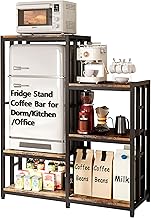
Mini Fridge Microwave Combo Stand Cabinet Shelf
This metal baker’s-rack organizer is the smartest buy for anyone who already owns both appliances and just needs to build vertically without risking the fridge lid. It creates a genuine coffee-bar zone with mug and supply storage on the open shelves, and because the frame carries the microwave’s weight independently, the fridge door swings freely and the top stays ventilated.
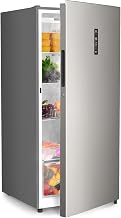
BLACK+DECKER BCRK25V Fridge with EM720CB7 Microwave
The most sensible complete pairing on this list: an Energy Star single-door fridge with a true freezer compartment, matched to a digital microwave with a push-button door and child safety lock. The lock matters more than buyers expect in family basements and shared apartments, and the Energy Star rating keeps running costs low in a unit that never gets switched off.
Koolatron 3.1 Cu Ft Fridge + 700W Microwave Combo
At 3.1 cubic feet, this is the capacity leap that makes a mini fridge usable for actual groceries rather than just drinks. The flat-back design lets it sit closer to the wall than most, and the Total Chef stainless microwave with touch controls looks considerably more expensive than the bundle price suggests.
BLACK+DECKER 2.5 Cu Ft Fridge with Farberware Microwave
A well-balanced middle option for a home office or guest suite, giving you 2.5 cubic feet of storage and a 0.7 cubic foot countertop microwave that handles a dinner plate without crowding. It is the least visually intrusive of the bundles, which is worth something in a room that has to work as a bedroom too.
Frigidaire Retro Compact Fridge + Retro Countertop Microwave
Pair the red 3.1 cu ft retro fridge with the black-and-gold retro microwave and you get a combination that functions as a design feature rather than an eyesore. The built-in bottle opener is a genuine convenience in an entertainment room, and the microwave’s eight auto-cook menus and LED display keep the vintage look from costing you modern usability.
Frequently Asked Questions
Can I put a microwave directly on top of a mini fridge?
It is workable only if the fridge’s top panel is rated for the load and the microwave’s vents are unobstructed, which is rarely both true. A dedicated stand is the safer route because it isolates vibration and preserves the airflow the fridge’s condenser depends on.
How much electricity does a combo setup use?
An Energy Star compact fridge typically runs $25 to $45 a year, while the microwave’s cost depends entirely on use since it draws power only when running. The bigger consideration is peak draw, not annual cost, since both appliances competing on one circuit is what causes breaker trips.
What size microwave fits a compact space?
A 0.7 cubic foot, 700-watt model is the practical floor: it accepts a standard dinner plate and most frozen meals while occupying about 18 inches of width. Going smaller usually means the turntable cannot rotate a full-size plate.
Are these suitable for dorm rooms?
Generally yes, but check your school’s policy on total cubic feet and combined wattage before buying, since many campuses cap fridges at 3.0 or 4.0 cubic feet. Some dorms only permit approved microwave-fridge units, so verify before the bundle arrives.
Final Thoughts
For most buyers, the BLACK+DECKER BCRK25V and EM720CB7 pairing is the safest all-round choice: Energy Star efficiency, a real freezer, and a child lock in one matched set. Choose the Koolatron 3.1 Cu Ft combo if capacity is your priority and the flat back suits your wall, and go with the Frigidaire retro fridge and microwave when the appliance has to look like it belongs in a living space. If you already own both units, skip the bundles and buy the metal stand cabinet instead — it fixes the stacking problem for a fraction of the cost.