Key takeaways
- Pressure relief: Look for a conforming latex or comfort layer that cushions the shoulder and hip without allowing the body to sink unevenly.
- Support system: Zoned pocket coils or a carefully designed latex core can support the waist while allowing wider areas of the body to settle comfortably.
- Firmness: Medium to medium-firm surfaces are usually the most adaptable starting point for side sleepers, though body weight and personal preference matter.
- Certifications: GOTS covers organic textiles such as cotton and wool, while GOLS applies to certified organic latex. These are more useful benchmarks than vague natural-material claims.
- Breathability: Wool, cotton, latex, and coil systems generally vent heat better than dense all-foam designs, an important consideration for warm sleepers.
What's inside
Side sleepers often wake with a sore shoulder, compressed hip, or an aching lower back because their mattress is either too firm at the surface or too soft beneath the waist. Organic labeling adds another layer of confusion: a mattress may contain natural latex and wool without being fully organic, while “green” marketing can obscure certifications, construction, and durability.
This guide focuses on pressure relief, responsive support, breathable materials, and meaningful certifications for side sleepers. The first two picks are the strongest organic choices; the remaining options are practical alternatives for shoppers who prioritize cooling, price, or familiar hybrid comfort over a strictly organic build.
As an Amazon Associate we earn from qualifying purchases.


How to Choose a/an Organic Mattress For Side Sleepers (2026)
- Pressure relief: Look for a conforming latex or comfort layer that cushions the shoulder and hip without allowing the body to sink unevenly.
- Support system: Zoned pocket coils or a carefully designed latex core can support the waist while allowing wider areas of the body to settle comfortably.
- Firmness: Medium to medium-firm surfaces are usually the most adaptable starting point for side sleepers, though body weight and personal preference matter.
- Certifications: GOTS covers organic textiles such as cotton and wool, while GOLS applies to certified organic latex. These are more useful benchmarks than vague natural-material claims.
- Breathability: Wool, cotton, latex, and coil systems generally vent heat better than dense all-foam designs, an important consideration for warm sleepers.
The Best Organic Mattress For Side Sleepers (2026)s Reviewed
11-Inch Organic Latex Hybrid Mattress
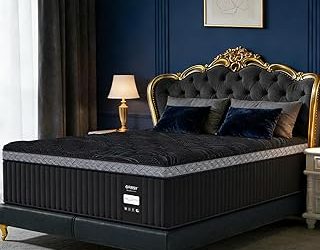
This medium mattress combines GOTS-certified cotton and wool with GOLS natural latex and pocket coils, creating a supportive surface with enough give for side-sleeping pressure points. Its fiberglass-free, no-polyfoam construction is especially appealing to shoppers who want a more transparent material profile, while the made-in-USA build may suit buyers prioritizing domestic production.
My Green Mattress Kiwi Organic Mattress
The Kiwi is a thoughtfully constructed organic hybrid with GOTS cotton and wool, GOLS latex, seven-zone pocket coils, and hand-tufted finishing. Its medium-firm feel should appeal to side sleepers who want cushioning without a deeply enveloping sensation; lighter sleepers may find it a touch sturdy, while combination sleepers may appreciate its easy repositioning.
Sweetnight CoolNest 14-Inch Mattress
The CoolNest is not an organic mattress, but it is a useful alternative for shoppers who place cooling and pressure relief first. Its memory foam comfort system and five-zone ergonomic support are designed to ease contact pressure, while CertiPUR-US certification provides a baseline assurance about the foam’s emissions and material standards.
Vibe Quilted Hybrid Mattress
This 12-inch hybrid pairs innersprings with gel memory foam and a quilted pillow top, giving side sleepers a softer initial feel than many traditional coil mattresses. It is not an organic model, but its fiberglass-free construction and CertiPUR-US-certified foam make it a reasonable value-oriented choice for guest rooms, apartments, or first homes.
DreamCloud 12-Inch Hybrid Mattress
The DreamCloud combines memory foam with a coil support system and offers a 365-night trial, which can be valuable when you need time to assess shoulder and hip comfort at home. It is not an organic mattress, but its hybrid design may balance contouring and support well for side sleepers who dislike the slow, sinking feel of all-foam beds.
Frequently Asked Questions
What firmness is best for side sleepers?
Medium to medium-firm is a sensible starting range because it can cushion the shoulder and hip while keeping the spine supported. Smaller-framed sleepers often prefer more surface softness, while heavier sleepers may need firmer underlying support to prevent excessive sinking.
Is latex good for side sleepers?
Yes. Latex is resilient rather than sluggish, so it can relieve pressure while making it easier to change positions. Talalay latex usually feels more buoyant and plush, while denser Dunlop latex can provide a firmer, more grounded feel.
What does an organic mattress certification mean?
GOTS certification generally applies to organic textile components such as cotton and wool, while GOLS certification applies to organic latex. Review the certification details and the mattress’s full material list rather than assuming every component is organic.
How long should I test a new mattress?
Give your body at least a few weeks to adjust, unless the mattress causes immediate or severe discomfort. Use the complete trial period when available, and assess whether your shoulder, hip, and lower back feel supported after several nights in your usual sleeping position.
Final Thoughts
For the strongest organic focus, the 11-Inch Organic Latex Hybrid and My Green Mattress Kiwi are the standout picks, with certified materials and side-sleeper-friendly hybrid support. If organic construction is less important than cooling or trial flexibility, the Sweetnight CoolNest and DreamCloud offer practical alternatives with different comfort profiles.