Key takeaways
- Filtration: Choose a true HEPA filter for fine airborne particles such as pet dander, pollen, and dust; a washable or replaceable pre-filter can extend the life of the main filter.
- Room coverage: Compare the purifier’s recommended coverage with the room’s actual size, especially if ceilings are high or the space connects to other rooms.
- Odor control: Activated carbon helps reduce pet and litter-box odors, while thicker or enhanced carbon filters may be more useful in compact homes where smells travel quickly.
- Noise and placement: Look for sleep mode and a compact footprint. Keep the intake and outlet clear, and place the unit where air can circulate rather than wedging it behind furniture.
- Maintenance: Check filter prices, cleaning instructions, and filter-life indicators before buying. A purifier is only effective when its filters are kept clean and replaced on schedule.
What's inside
Pet dander rarely stays where your dog or cat leaves it. Fine particles settle into upholstery, bedding, rugs, and curtains, then return to the air whenever someone walks through the room. The challenge is finding a purifier that handles airborne allergens without adding excessive noise, replacing filters too often, or taking over valuable floor space.
This guide evaluates pet-allergy air purifiers through a small-space organization lens: useful room coverage, filter upkeep, odor control, noise, and placement flexibility. The models below suit bedrooms, apartments, home offices, and larger shared spaces, with practical notes to help you match each purifier to your home.
As an Amazon Associate we earn from qualifying purchases.



How to Choose a Pet Allergy Air Purifier (2026)
- Filtration: Choose a true HEPA filter for fine airborne particles such as pet dander, pollen, and dust; a washable or replaceable pre-filter can extend the life of the main filter.
- Room coverage: Compare the purifier’s recommended coverage with the room’s actual size, especially if ceilings are high or the space connects to other rooms.
- Odor control: Activated carbon helps reduce pet and litter-box odors, while thicker or enhanced carbon filters may be more useful in compact homes where smells travel quickly.
- Noise and placement: Look for sleep mode and a compact footprint. Keep the intake and outlet clear, and place the unit where air can circulate rather than wedging it behind furniture.
- Maintenance: Check filter prices, cleaning instructions, and filter-life indicators before buying. A purifier is only effective when its filters are kept clean and replaced on schedule.
The Best Pet Allergy Air Purifiers (2026) Reviewed
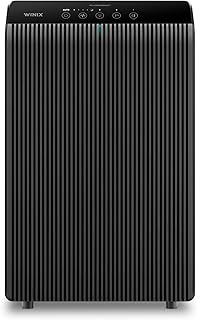
WINIX 5510 Air Purifier
The WINIX 5510 is a strong choice for larger living rooms or open-plan homes, combining true HEPA filtration with substantial odor-control carbon filtration. Its app support and automatic mode make it easier to monitor air quality without adding another daily task, while the broad coverage helps reduce the need for multiple units.
PuroAir 240
The PuroAir 240 is well suited to bedrooms, offices, and medium-sized apartments where fast circulation matters. Its HEPA and CarbonTech filtration target both airborne allergens and household smells, while auto and sleep modes help it fit neatly into a quieter nighttime routine.
LEVOIT Vital 100S-P
The LEVOIT Vital 100S-P is particularly practical for pet owners who want easier pre-filter maintenance. Its washable pre-filter helps catch larger debris before it reaches the HEPA filter, and the quiet sleep mode, smart monitoring, and pet-focused design make it a convenient bedroom or living-area option.
KNKA APH4000
The KNKA APH4000 offers generous stated coverage in a relatively straightforward format, with an AQI display that provides a quick visual check of indoor conditions. Its washable pre-filter and pet mode are useful in homes with frequent shedding, while the sleep setting keeps it suitable for compact sleeping spaces.
WINIX 5510 for Open Living Areas
For homes that need one purifier to serve a lounge, dining area, and nearby hallway, the app-supported WINIX 5510 is one of the more versatile options in this group. Its automatic operation can reduce unnecessary fan use when the air is already clean, and the carbon stage adds value for homes dealing with both dander and persistent pet odors.
Frequently Asked Questions
Do air purifiers remove pet dander?
They can capture airborne dander and other suspended particles when air passes through the filter. They cannot remove dander already embedded in carpets or upholstery, so regular vacuuming, washing pet bedding, and grooming remain important.
Where should I place a pet-allergy air purifier?
Place it in the room where you spend the most time, ideally with several inches of clearance around the intake and outlet. In a small home, a central living area may offer more benefit than a tucked-away corner, provided the purifier does not become blocked by furniture.
Should I run an air purifier all night?
Yes, if the model is designed for continuous operation. Use sleep mode for lower noise, keep the fan running at a manageable setting, and avoid placing the unit directly beside the bed where airflow may feel disruptive.
How often should purifier filters be changed?
Replacement timing depends on indoor dust, pet shedding, usage, and the manufacturer’s guidance. Inspect pre-filters regularly, vacuum or wash them when permitted, and replace the primary filter when the indicator activates or airflow noticeably weakens.
Final Thoughts
The WINIX 5510 is the strongest all-around pick for larger or open rooms, while the PuroAir 240 is a sensible fit for medium spaces and bedrooms. For easier upkeep in a pet-heavy home, the LEVOIT Vital 100S-P stands out, and the KNKA APH4000 is worth considering when visible air-quality feedback and broad coverage are priorities.