Key takeaways
- Room size: Match the humidifier’s capacity and output to the room rather than choosing solely by tank volume. Oversized units can quickly create damp surfaces in compact spaces.
- Footprint: Measure the shelf, table, or floor area first. A narrow base and accessible controls matter when plants already occupy valuable surface space.
- Runtime: Larger tanks reduce refills, but they also weigh more and take longer to clean. Choose a capacity you can comfortably lift and maintain.
- Humidity control: Auto humidity adjustment, a built-in sensor, or smart controls can prevent over-humidifying. This is especially useful in bedrooms, offices, and enclosed plant corners.
- Cleaning: Look for wide openings, removable parts, and filterless or dishwasher-safe components. Regular cleaning is essential because stagnant water can spread odors and buildup.
What's inside
Best Plant Humidifier (2026) — Dry indoor air can leave houseplants with crispy leaf edges, stalled growth, and soil that dries unevenly. In a small room, however, adding humidity is not as simple as choosing the biggest tank: excess moisture can encourage mold, crowd a windowsill, or create mist that settles on furniture.
This guide compares plant-friendly humidifiers through a small-space organization lens, focusing on footprint, refill effort, noise, output control, and cleaning access. Whether you need a compact unit for a plant shelf or a higher-capacity model for a sunroom, these picks help you raise humidity without turning your home into a maintenance project.
As an Amazon Associate we earn from qualifying purchases.




How to Choose a Plant Humidifier (2026)
- Room size: Match the humidifier’s capacity and output to the room rather than choosing solely by tank volume. Oversized units can quickly create damp surfaces in compact spaces.
- Footprint: Measure the shelf, table, or floor area first. A narrow base and accessible controls matter when plants already occupy valuable surface space.
- Runtime: Larger tanks reduce refills, but they also weigh more and take longer to clean. Choose a capacity you can comfortably lift and maintain.
- Humidity control: Auto humidity adjustment, a built-in sensor, or smart controls can prevent over-humidifying. This is especially useful in bedrooms, offices, and enclosed plant corners.
- Cleaning: Look for wide openings, removable parts, and filterless or dishwasher-safe components. Regular cleaning is essential because stagnant water can spread odors and buildup.
The Best Plant Humidifiers (2026) Reviewed
ROSEKM 2.0L Cool Mist Humidifier
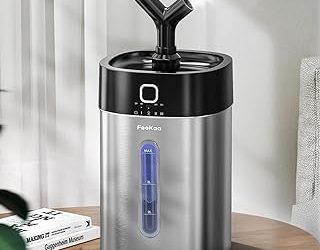
The ROSEKM is a practical choice for a compact plant grouping, bedroom shelf, or home office. Its 2.0-liter tank, quiet ultrasonic operation, 360-degree nozzle, and filterless design keep the setup simple, while auto shut-off adds reassurance when the reservoir runs dry.
VIVOSUN AeroStream H05 Smart WiFi Humidifier
Designed with growers in mind, the VIVOSUN AeroStream H05 offers a 5-liter capacity, humidity probe, WiFi control, and VPD-focused adjustment. It is the most advanced option here for a dedicated grow corner, though its larger footprint is better suited to a stand or floor position than a crowded shelf.
DREO HM311 4L Humidifier
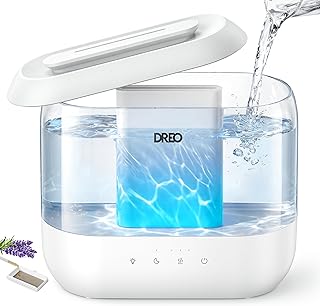
The DREO HM311 balances a useful 36-hour runtime with a quiet 28-decibel operating level, making it well suited to bedrooms and work areas containing several plants. Its easy-refill design, BPA-free construction, nightlight, and cleaning-friendly layout make it a strong everyday option for small homes.
Levoit NeoClassic 450
Levoit’s NeoClassic 450 is a polished pick for larger rooms where you want fewer interruptions. The 4.2-liter top-fill tank, up to 42-hour runtime, dishwasher-safe components, and very quiet 21-decibel operation are particularly helpful when the humidifier must share space with furniture and plants.
8L Large-Room Cool Mist Humidifier
This 8-liter model is built for extended operation in a large bedroom, living area, or plant-filled room. Its top-fill format, nightlight, essential-oil diffuser, and cool-mist output offer convenience, but the substantial size means it should have a dedicated, water-resistant location rather than a narrow console.
Frequently Asked Questions
What humidity level is best for houseplants?
Many tropical houseplants perform well around 40% to 60% relative humidity, although preferences vary by species. A hygrometer is more reliable than guessing from leaf appearance, and good airflow remains important at higher humidity levels.
Should a humidifier sit directly beside plants?
Place it nearby, but avoid aiming a strong mist directly at leaves or walls. A stable surface with clearance around the nozzle helps moisture disperse evenly and reduces the chance of condensation on furniture.
Are warm-mist humidifiers better for plants?
Not necessarily. Plants generally benefit from consistent humidity rather than a particular mist temperature. Cool-mist ultrasonic models are often easier to position and may use less energy, while warm-and-cool models provide added flexibility for people who prefer both settings.
How often should a plant humidifier be cleaned?
Empty and refresh the tank frequently, ideally daily when practical, and follow the manufacturer’s cleaning instructions for deeper maintenance. Never allow water to sit for long periods, and clean mineral deposits promptly if you use hard tap water.
Final Thoughts
The ROSEKM 2.0L is a sensible compact pick for a small plant shelf, while the DREO HM311 offers the best balance of runtime, quiet operation, and everyday convenience. For serious growers who want automated control, the VIVOSUN AeroStream H05 stands out; for larger rooms, Levoit’s NeoClassic 450 is the more furniture-friendly high-capacity choice.