Key takeaways
- Water-based vs. oil-based: Water-based formulas stay crystal clear and keep fumes low, which matters when your dining area shares air with your bedroom. Oil-based cures harder and adds warm amber depth, but needs real cross-ventilation for a day or two.
- Sheen strategy: Satin scatters light and forgives fine scratches, crumbs, and fingerprints. Gloss reflects daylight around a tight room and makes a small table read larger, at the cost of showing every smudge.
- Dry time vs. cure time: Recoat windows of two to three hours are great, but full cure takes several days. If the table is your only surface, plan a weekend and treat the first week gently.
- Coverage and container size: A quart handles a standard four-to-six-seat top with three coats. Buy a half pint or small bottle for touch-ups instead of committing shelf space to a gallon you’ll open twice.
- Resistance profile: Look for stated scratch, stain, and moisture resistance. Warm plates, condensation, and sliding ceramics are the three things that kill a dining surface fastest.
What's inside
In a small home, the dining table is rarely just a dining table. It’s the desk from nine to five, the homework station at four, the folding surface on laundry day, and the buffet whenever guests arrive. That workload shows up as ring marks, pale scratches, and a dull patch right where a laptop lives. Refinishing solves it, but the topcoat you pick determines whether the surface survives another two years or another ten.
This guide looks at polyurethane through a small-space lens: how much odor you can tolerate in a room you also sleep near, how fast a table can go back into service when there’s nowhere else to eat, and how to avoid storing a leftover gallon in a closet you can’t spare. Below are six finishes worth considering in 2026, plus the specs that actually matter for a hardworking table.
As an Amazon Associate we earn from qualifying purchases.


How to Choose a Polyurethane For Dining Room Table (2026)
- Water-based vs. oil-based: Water-based formulas stay crystal clear and keep fumes low, which matters when your dining area shares air with your bedroom. Oil-based cures harder and adds warm amber depth, but needs real cross-ventilation for a day or two.
- Sheen strategy: Satin scatters light and forgives fine scratches, crumbs, and fingerprints. Gloss reflects daylight around a tight room and makes a small table read larger, at the cost of showing every smudge.
- Dry time vs. cure time: Recoat windows of two to three hours are great, but full cure takes several days. If the table is your only surface, plan a weekend and treat the first week gently.
- Coverage and container size: A quart handles a standard four-to-six-seat top with three coats. Buy a half pint or small bottle for touch-ups instead of committing shelf space to a gallon you’ll open twice.
- Resistance profile: Look for stated scratch, stain, and moisture resistance. Warm plates, condensation, and sliding ceramics are the three things that kill a dining surface fastest.
The Best Polyurethanes for Dining Room Tables (2026) Reviewed
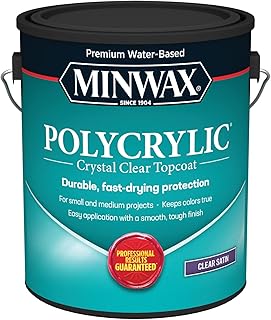
Minwax Polycrylic Protective Finish, Satin, Quart
This is the low-drama choice for anyone finishing a table indoors without a garage or open windows on both sides: minimal odor, soap-and-water cleanup, and no yellowing over pale woods like maple, ash, or white oak. The satin sheen hides daily wear well, though it’s slightly less heat-tolerant than oil-based, so keep trivets in rotation.
Varathane Water-Based Ultimate Gloss, Half Pint
A smart pick for compact tables, drop-leaf edges, and touch-up work, with fast dry times that let you stack coats in a single afternoon. The crystal-clear gloss brightens dim eat-in kitchens, and the half-pint size means no half-used can taking up storage.
Minwax Fast Drying Polyurethane, Warm Satin, Quart
The traditional oil-based route, and still the most durable option here for a table that gets genuinely hard use. It lays down a tough, warm-toned film that flatters walnut and cherry, but budget a well-ventilated stretch of time and mineral spirits for cleanup.
Varathane Triple Thick Polyurethane Gloss, Quart
Built to replace three thin coats with one thick, self-leveling pass, which cuts sanding steps and the days your table spends out of commission. It’s the fastest path to a heavy, glass-like top, though the thick body wants a level surface and a patient hand at the edges.
Water-Based Clear Gloss Polyurethane Sealant, 100ml
Think of this as a repair kit rather than a full refinish: enough to seal a chipped corner, a scratched leaf, or a bare spot under a table leg before moisture gets in. Fast drying and easy to clean up, and it tucks into a drawer with the rest of your fix-it supplies.
Frequently Asked Questions
How many coats does a dining table need?
Three thin coats is the standard for a dining surface, with a light scuff-sand between each. Self-leveling thick formulas can reach similar protection in one heavy coat.
Most finishes are dry to the touch in hours and usable in a day or two, but full cure takes roughly seven days. Avoid placemats, tablecloths, and hot dishes until then so nothing prints into the film.
Do I have to sand between coats?
Yes, a quick pass with 320-grit gives the next coat something to grip and knocks down dust nibs. Vacuum and wipe with a barely damp cloth before recoating.
Is polyurethane safe to use in a small apartment?
Water-based versions are the sensible option in tight quarters thanks to low odor and low VOCs. Oil-based finishes are fine too, but only with open windows, a fan pushing air out, and somewhere else to sleep that night.
Final Thoughts
For most small-space setups, Minwax Polycrylic in satin is the safest all-around pick: clear, low-odor, and forgiving of daily clutter. Choose Varathane Triple Thick if you want a hard gloss top with the fewest coats and the shortest downtime, and keep Minwax Fast Drying Polyurethane in Warm Satin on the list if your table earns its keep and you can ventilate properly.