Key takeaways
- Measure the bed floor, not the truck: Bed length varies by trim, and wheel-well humps steal several inches of usable width. Note the narrowest point between the wells before you commit to a tote or tray footprint.
- Prioritize reach over raw volume: A slightly smaller box you can open from the tailgate beats a cavernous one you have to crawl for. Slide-out trays and tailgate-side lids pay for themselves in daily use.
- Match the seal to your cargo: Snap-latch totes handle dusty tools fine. Anything electronic, textile, or edible needs a gasketed lid and a drain plug for washing out afterward.
- Plan for stacking and strapping: Look for recessed lids, molded feet, and lash points. Containers that nest and accept ratchet straps stay put; smooth-sided bins become projectiles.
- Weigh the empty box: Heavy-duty polyethylene resists UV and impact but adds mass. If you’re loading and unloading solo, a lighter organizer with rigid dividers often wins on ergonomics.
What's inside
A truck bed is the most generous storage space most people own and the least usable. Gear slides to the cab wall on the first hard stop, small items disappear into the corners, and anything you actually need lives just out of arm’s reach behind the tailgate. Add rain, road grit, and the occasional opportunistic thief, and that eight feet of open steel starts to feel less like capacity and more like a liability.
The fix is the same principle that makes a studio apartment livable: divide the volume into zones, give every item a fixed address, and make the whole system reachable without climbing. This guide covers the containers and trays that do that work best in 2026, from slide-out cargo decks that bring the load to you, to sealed dry boxes that shrug off a downpour, to stackable totes sized to the width of a standard bed.
As an Amazon Associate we earn from qualifying purchases.


How to Choose a Storage Containers For Truck Bed (2026)
- Measure the bed floor, not the truck: Bed length varies by trim, and wheel-well humps steal several inches of usable width. Note the narrowest point between the wells before you commit to a tote or tray footprint.
- Prioritize reach over raw volume: A slightly smaller box you can open from the tailgate beats a cavernous one you have to crawl for. Slide-out trays and tailgate-side lids pay for themselves in daily use.
- Match the seal to your cargo: Snap-latch totes handle dusty tools fine. Anything electronic, textile, or edible needs a gasketed lid and a drain plug for washing out afterward.
- Plan for stacking and strapping: Look for recessed lids, molded feet, and lash points. Containers that nest and accept ratchet straps stay put; smooth-sided bins become projectiles.
- Weigh the empty box: Heavy-duty polyethylene resists UV and impact but adds mass. If you’re loading and unloading solo, a lighter organizer with rigid dividers often wins on ergonomics.
The Best Storage Containers For Truck Bed (2026)s Reviewed
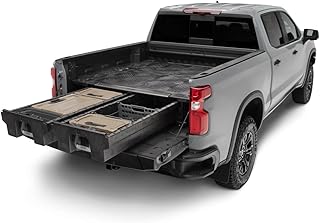
Rough Country Slide-Out Truck Bed Cargo Tray
This is the single upgrade that changes how you use a full-size bed, sliding the entire load toward the tailgate so nothing lives beyond arm’s length. The UV-protected polyethylene deck takes abuse without denting, and it turns the bed into a flat, mountable platform for whatever bins you already own.
Rubbermaid 48 Gallon Action Packer
The benchmark for rugged open-bed storage, with ribbed walls that resist flex under load and a lockable latch that accepts a padlock. Forty-eight gallons is a lot of volume, so use dividers or dry bags inside to keep tools from migrating into one heavy corner.
Buckhorn Straight Wall Storage Tote
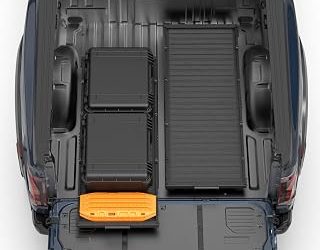
Straight walls are the quiet advantage here: they waste no interior space and stack squarely rather than tapering. At 48 by 15 inches, the footprint slots neatly between wheel wells on most beds, and running two or three side by side creates clean, repeatable zones.
Overland Vehicle Systems 117 QT Dry Box
The pick when contents genuinely can’t get wet, thanks to a gasketed waterproof seal, heavy-duty latches, and a drain plug for rinsing out mud. Nylon handles make two-person lifts comfortable, and the bottle opener is the kind of small touch that suggests the designers actually camp.
HEYTRIP Large Trunk Organizer with Cooler
Built for the cab or a covered bed rather than open exposure, this one earns its place with four removable dividers, a leakproof cooler compartment, and tie-down straps that keep it anchored. The 2mm PE board keeps the walls upright when the bag is only half full, which is where most soft organizers collapse.
Frequently Asked Questions
Will a storage box damage my truck bed liner?
Not if it’s secured. Unrestrained bins slide and grind, which is what actually scuffs a liner. Strap containers down or mount them to a tray and the contact surface stays static.
Can I leave containers in the bed year-round?
Choose UV-stabilized polyethylene if so. Untreated plastics chalk and grow brittle after a season or two of direct sun, and brittle latches are the first failure point.
Do I need a tonneau cover as well?
A sealed dry box makes a cover optional for weather, but a cover adds a second layer of theft deterrence and hides contents from view. Many owners run both.
How do I keep smaller items from getting lost?
Nest smaller labeled bins inside one large container rather than adding more loose boxes. One outer address, several inner ones, and nothing rattles.
Final Thoughts
For most trucks, the Rough Country slide-out tray is the foundation worth building on, since it fixes the reach problem no container can solve on its own. Pair it with a Rubbermaid Action Packer for tools and general gear, and add the Overland Vehicle Systems dry box if you haul anything that can’t tolerate rain.