Key takeaways
- Keep two microfiber cloths nearby: one for applying product and one for final buffing.
- Blot fresh spills promptly with a dry cloth; do not rub moisture outward into a larger ring.
- Rotate removable cushions periodically so wear and sunlight are distributed more evenly.
- Leave a small gap between the sofa and a heater, radiator, or sunny window to reduce drying and fading.
What's inside
A leather sofa can make a small living room feel polished, but dust, body oils, spills, and direct sunlight gradually leave the upholstery dull, sticky, or dry. The safest cleaning routine is not the most aggressive one: leather needs controlled moisture, gentle agitation, and enough drying time to avoid stripping its protective finish.
This guide explains how to clean a leather sofa without over-wetting it, how to identify the right product for finished leather, and when conditioning is useful. You will also learn how to work around cushions, seams, and compact-room furniture layouts so the sofa is cleaned thoroughly without creating a bigger mess.
As an Amazon Associate we earn from qualifying purchases.




1. Check the leather and clear the area
Before buying or applying anything, look for the sofa’s care label or manufacturer instructions. Most household leather sofas use finished or protected leather, which can tolerate a suitable leather cleaner. Aniline, nubuck, suede, and heavily distressed leather need specialized care; ordinary cleaner-conditioner products may darken or mark them.
In a small space, move nearby baskets, side tables, floor lamps, and pet beds first. This gives you room to reach the back and sides without dragging a damp cloth across other furniture. Remove loose cushions and check beneath them for crumbs, coins, and grit that could scratch the surface during wiping.
2. Vacuum before using liquid
Use a vacuum with a soft brush attachment to remove dust from the seat, back, arms, creases, and piping. Keep the nozzle slightly above delicate surfaces rather than pressing a hard plastic edge into the leather. A narrow upholstery tool is useful around cushion gaps, but avoid forcing it into seams.
For a compact sofa or apartment, clean in sections: one arm, one cushion, the front rail, and so on. This prevents you from losing track of damp areas and makes it easier to pause if the leather reacts unexpectedly. If you do not have a vacuum, use a clean, dry microfiber cloth and gentle strokes.
3. Patch-test the cleaner
Choose a product labeled for finished leather rather than a general household degreaser, dish soap, disinfectant wipe, or furniture polish. Lightly apply a small amount to an inconspicuous spot, such as the underside of a cushion or the back edge. Wait until it dries fully and check for darkening, tackiness, color transfer, or a change in sheen.
For a straightforward cleaner-conditioner, Weiman Leather Cleaner & Conditioner is a practical option for sofas and other finished leather surfaces. The larger two-pack version, Weiman Leather Cleaner & Conditioner 2 Pack, can suit a sectional or a home where leather chairs and car seats need regular care too. Follow the label directions rather than assuming more product gives better results.
4. Clean gently, one section at a time
Apply cleaner to a microfiber cloth, not directly onto the sofa, unless the product instructions specifically say otherwise. The cloth should be slightly damp, never saturated. Wipe with light, overlapping passes, starting at the top and working downward. Turn to a clean part of the cloth as grime lifts, especially on pale leather.
Do not scrub stains aggressively or soak creases. Excess liquid can collect around stitching, cushion edges, and beneath seat seams, where it may cause swelling or lingering odor. For built-up grime, allow the product’s recommended dwell time, then make another gentle pass instead of increasing pressure.
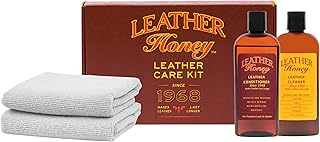
A complete kit can simplify the process when you need cleaner, conditioner, and suitable cloths together. Leather Honey Complete Leather Care Kit includes those basics, while a Leather Cleaner and Conditioner Kit 4-Piece Set may be convenient for first-time sofa care. Check that the kit is intended for your leather type before use.
5. Condition only after the surface is clean
Let the sofa dry naturally away from radiators, heaters, hair dryers, and strong sunlight. Once the leather is clean and fully dry, inspect it. If it feels comfortable and looks even, conditioning may be unnecessary immediately. Over-conditioning can leave a greasy film that attracts dust—an especially noticeable problem in a small room.
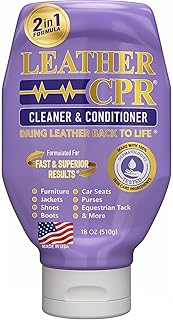
If the leather looks dry or the manufacturer recommends conditioning, apply a very thin layer with a clean cloth. Leather CPR Cleaner and Conditioner is designed as a combined treatment, while Leather Honey Leather Conditioner is a dedicated conditioner for many leather furnishings. Use sparingly, allow it to absorb according to the label, and buff away residue with a dry cloth.
Tips
- Keep two microfiber cloths nearby: one for applying product and one for final buffing.
- Blot fresh spills promptly with a dry cloth; do not rub moisture outward into a larger ring.
- Rotate removable cushions periodically so wear and sunlight are distributed more evenly.
- Leave a small gap between the sofa and a heater, radiator, or sunny window to reduce drying and fading.
Frequently Asked Questions
How often should I clean a leather sofa?
Vacuum or dust it weekly, particularly around seams and beneath cushions. A fuller surface cleaning is usually appropriate every few months, or sooner if the sofa receives heavy use, hosts pets, or has visible grime. Condition only when the leather needs it or the care instructions call for it.
Can I use baby wipes or household soap on leather?
It is better not to. Many wipes contain ingredients that may leave residue, and household soaps can alter the finish or remove protective oils. Use a purpose-made leather product that matches the sofa’s material, and patch-test it first.
How do I remove a dark grease mark?
Blot gently if the mark is fresh, then leave it alone until you can check the manufacturer’s advice. Avoid sprinkling powders, applying heat, or repeatedly wetting the area. Grease that has penetrated the leather may require a professional rather than stronger home cleaning.
Why does my sofa feel sticky after cleaning?
Usually, too much product was applied or residue was not buffed away. Wipe the area lightly with a clean, barely damp microfiber cloth if the product instructions permit, then dry it naturally and buff with a clean cloth. If stickiness remains, stop applying more conditioner and seek product-specific guidance.
Conclusion
The best way to clean a leather sofa is a measured routine: identify the finish, vacuum first, patch-test, use minimal cleaner on a cloth, and condition only when needed. Working in small sections keeps the process manageable in a compact home and helps you catch problems early. With gentle maintenance and sensible placement away from heat and harsh sun, your sofa can stay comfortable, even-toned, and easier to keep organized.